• In today’s fast-paced corporate landscape, organizations are continually evolving. While change can be beneficial, it often meets resistance from employees. Understanding and managing this resistance is crucial for successful change initiatives. In this article, we will explore 15 practical strategies for managing resistance during organizational change, ensuring that your workforce is engaged, informed, and ready to adapt.

    Resistance Management Strategies
    15 Resistance Management Strategies for Organizational Change

    Understanding Resistance in Organizational Change Initiatives

    Resistance to change is a common phenomenon in large organizations. Employees may feel threatened by new processes, technologies, or structures, causing them to resist the change. This resistance can stem from fear of the unknown, loss of control, or even previous negative experiences with change initiatives. Recognizing the root causes of resistance is crucial for developing effective strategies to manage it. When organizations take the time to understand why employees are resistant, they can create tailored approaches that address specific concerns.

    The emotional landscape during periods of change is complex. Employees may move through stages similar to those in grieving—denial, anger, bargaining, depression, and eventually acceptance. Leaders must be attuned to these emotional shifts and provide adequate support. This means not only listening but also validating feelings and concerns. By normalizing these emotions, organizations can foster an environment of understanding and empathy, which is essential for smoother transitions.

    Furthermore, acknowledging resistance as a natural part of any change initiative helps organizations prepare for it effectively. Instead of viewing resistance as a nuisance, leaders can frame it as an opportunity for dialogue and collaboration. This perspective shift can pave the way for innovative solutions and reinforce the idea that employee voices matter, ultimately leading to a more cohesive approach to change management.

    Importance of Effective Communication during Change Management

    Effective communication is the cornerstone of successful change management. When organizations embark on significant transformations, clear, consistent, and transparent messaging is vital. Employees need to understand not only what is changing but also why it is changing. Providing a compelling rationale helps to create buy-in and reduces uncertainty. Regular updates, whether through meetings, emails, or digital platforms, ensure that everyone is on the same page and feels included in the journey.

    Moreover, communication should be a two-way street. Organizations must create open forums for employees to express their thoughts, concerns, and questions. This can involve town hall meetings, feedback sessions, or dedicated communication channels. By actively soliciting input and addressing queries, organizations not only alleviate fears but also demonstrate that employee perspectives are valued. This approach fosters a sense of ownership among employees, encouraging them to become active participants in the change process.

    Additionally, utilizing multiple communication channels can further bolster engagement. A combination of visual, auditory, and written formats can cater to different learning styles, ensuring that the message resonates with everyone. From infographics to video updates, a diverse communication strategy can enhance understanding and acceptance, making the change feel less daunting and more achievable.

    Building Trust to Mitigate Resistance to Change

    Trust is fundamental in any organizational setting, but it becomes even more critical during times of change. When employees trust their leaders, they are more likely to embrace new directions and initiatives. Building this trust requires consistent, authentic behavior from management. Leaders should be transparent about the changes, share potential impacts, and admit any uncertainties. Acknowledging that change is not always easy can help cultivate a culture of openness.

    To nurture trust, leaders must also demonstrate reliability and integrity. Following through on promises and commitments reinforces the notion that management is genuinely invested in the well-being of employees. When employees see their leaders actively participating in the change, whether through training sessions or open discussions, it can strengthen the bond between them. This visible commitment can significantly reduce anxiety and apprehension about the unknown.

    Lastly, fostering a culture of collaboration can enhance trust as well. Encouraging teamwork during the change process allows employees to support one another and share experiences. By creating cross-departmental groups or task forces, organizations can harness diverse perspectives, making employees feel valued. This collaborative approach not only builds trust but also leads to more innovative solutions, as individuals work together to navigate the challenges of change.

    Engaging Employees in the Change Process for Better Outcomes

    Engaging employees in the change process is not just beneficial; it is essential. When employees are actively involved, they feel a greater sense of ownership and accountability for the change initiatives. This involvement can take various forms, such as participating in planning sessions, being part of pilot programs, or providing input on new processes. Actively engaging employees not only helps dispel fears but also taps into valuable insights from those who are closest to the work being done.

    Creating change champions within the organization can also significantly impact engagement. These are individuals who are passionate about the change and can influence their peers positively. By identifying and empowering these champions, organizations can create a network of support that helps facilitate the transition. Change champions can act as liaisons between management and employees, providing feedback and sharing success stories that inspire others to get on board.

    Moreover, involving employees in decision-making processes can lead to better outcomes. When employees feel that their opinions matter, they are more likely to be committed to the change. This collaborative approach not only enhances morale but also leads to more effective implementation of new initiatives. Organizations can benefit from the diverse perspectives and experiences of their employees, ultimately leading to solutions that are more aligned with the needs of the workforce.

    Addressing Concerns and Feedback from Team Members

    Listening to employee concerns and feedback is crucial in navigating change. As organizations implement new strategies or technologies, employees will naturally have questions and uncertainties. Providing a safe space for these discussions encourages open dialogue and allows management to address issues before they escalate. Regular check-ins and feedback sessions can serve as valuable opportunities for leaders to gauge employee sentiments and adjust their approach as needed.

    It is essential for organizations to not only listen but also demonstrate that they value employee input. Acknowledging feedback and acting on it shows that management is responsive and cares about the team’s experience during the change process. This can involve making adjustments based on feedback, communicating changes transparently, and following up to ensure that concerns have been adequately addressed. Doing so builds trust and reinforces the idea that employees are partners in the change journey.

    Additionally, creating feedback loops can help organizations continuously improve their change management strategies. By regularly soliciting input and assessing employee responses, organizations can adapt their approaches to meet evolving needs. This iterative process not only improves the current change initiative but also sets the stage for future changes, ensuring that employees feel heard and valued in every phase of transformation.

    Implementing Training Programs to Foster Adaptability

    Training programs are a vital component of successful change management. When organizations introduce new processes, technologies, or systems, it is essential to provide employees with the necessary skills and knowledge to adapt. By investing in comprehensive training, organizations can ease the transition for employees, helping them feel more confident and competent in their roles. Tailoring training programs to the specific needs of various teams ensures that employees receive relevant and applicable information.

    Furthermore, training should not be a one-time event but an ongoing process. Continuous learning opportunities, such as workshops, e-learning modules, and mentorship programs, can help employees keep pace with changes and adapt to new expectations. By fostering a culture of lifelong learning, organizations can empower employees to embrace change rather than resist it. This adaptability not only benefits individuals but also enhances overall organizational resilience.

    Additionally, incorporating various learning methods can cater to different preferences and learning styles. Utilizing hands-on training, interactive sessions, and peer-led workshops can make the learning experience more engaging. When employees can connect with the material and see its relevance, they are more likely to embrace the changes being implemented. This approach not only enhances skill development but also fosters a sense of community and collaboration among team members.

    Celebrating Small Wins to Encourage Change Acceptance

    Celebrating small wins during the change process is an effective strategy for fostering acceptance and enthusiasm. Acknowledging progress, no matter how minor, reinforces positive behaviors and motivates employees to continue embracing change. When organizations highlight achievements, it creates a sense of momentum and encourages others to contribute to the transformation. This can be done through recognition programs, team celebrations, or simply sharing success stories in company communications.

    Moreover, recognizing individual and team contributions can enhance morale and build a culture of appreciation. When employees see that their efforts are valued, they are more likely to remain committed to the change. This recognition can take various forms, such as awards, shout-outs during meetings, or public acknowledgment in company newsletters. By showcasing the impact of small wins, organizations can inspire others to strive for excellence and participation in the change process.

    Additionally, celebrating milestones can create a sense of community among employees. When teams come together to acknowledge accomplishments, it fosters collaboration and strengthens relationships. This camaraderie can be particularly valuable during challenging times, as it reminds employees that they are not alone in their journey. Ultimately, celebrating small wins helps to maintain momentum, build resilience, and reinforce a positive atmosphere during periods of organizational change.

    Evaluating and Adjusting Strategies for Continuous Improvement

    Change is a dynamic process, and organizations must be willing to evaluate and adjust their strategies continuously. After implementing a change initiative, leaders should assess its effectiveness through various metrics and feedback mechanisms. This evaluation can involve surveys, focus groups, or performance metrics to determine the impact of the change on employee engagement, productivity, and overall morale.

    Moreover, organizations should be open to making necessary adjustments based on feedback and observed outcomes. Flexibility is key in change management; what works in one context may not be suitable in another. By maintaining an adaptive mindset, organizations can refine their approaches and ensure that they address ongoing challenges. This not only optimizes the current change initiative but also prepares the organization for future transformations.

    Lastly, establishing a culture of continuous improvement encourages a proactive approach to change. When employees see that their feedback leads to tangible changes, they are more likely to engage in the process. Regularly revisiting and refining strategies fosters a sense of ownership and accountability at all levels of the organization. This commitment to improvement ultimately supports a more resilient, agile workforce that is better equipped to navigate future changes.

    Successfully managing resistance to organizational change is crucial for fostering a positive workplace culture and ensuring the desired outcomes. By understanding the nuances of resistance, prioritizing communication, building trust, and actively engaging employees, organizations can create a more adaptable workforce. The strategies outlined in this article provide a comprehensive framework for managing resistance effectively, paving the way for successful change initiatives.

    Hashtags: #ChangeManagement #EmployeeEngagement #Leadership #OrganizationalCulture #ContinuousImprovement

    Discover More great insights at https://projectblogs.com

  • In today’s fast-paced project management landscape, effective scheduling is indispensable for ensuring that projects are completed on time and within budget. Primavera P6 is a powerful tool that supports project managers in achieving these objectives. By leveraging schedule performance indicators, organizations can drive accountability among team members, ensuring that everyone plays their part in the project’s success. In this article, we will explore key performance indicators, the importance of accountability, and best practices to enhance project management through Primavera P6.

    Primavera P6 Schedule Performance Indicators That Drive Accountability
    Primavera P6 Schedule Performance Indicators

    Understanding Primavera P6 and Its Importance for Projects

    Primavera P6 stands out as one of the most sophisticated project management software tools available. It helps project managers plan, execute, and manage complex projects across multiple industries, including construction, engineering, and IT. The tool’s ability to handle large-scale projects, combined with its robust features, makes it a go-to solution for organizations that need precise scheduling and resource management. Not only does it streamline the planning process, but it also provides a clear visual representation of project timelines and milestones, which is critical for stakeholder engagement.

    The importance of Primavera P6 extends beyond mere scheduling; it is a comprehensive tool that encompasses risk management, resource allocation, and performance measurement. The software’s data-driven insights empower project managers to identify potential issues before they escalate, allowing for proactive decision-making. This capability is particularly beneficial for large organizations that often grapple with multiple concurrent projects, each with its own set of challenges. In such environments, effective use of Primavera P6 can lead to improved project outcomes, higher customer satisfaction, and a stronger competitive edge.

    Moreover, the integration of Primavera P6 with other enterprise systems adds another layer of value. The ability to connect project data with financial systems, human resources, and supply chain management offers a holistic view of project performance. This integration fosters collaboration across departments and ensures that everyone is working towards common goals. As a result, organizations can achieve greater transparency and alignment, further enhancing their ability to deliver successful projects.

    Key Schedule Performance Indicators for Effective Tracking

    Schedule performance indicators (SPIs) are essential for measuring how well a project is adhering to its planned schedule. In Primavera P6, a few key metrics stand out as critical for effective tracking: Planned Value (PV), Earned Value (EV), and Actual Cost (AC). By analyzing these indicators, project managers can gain insights into their project’s health and make informed decisions moving forward. For instance, the variance between PV and EV can indicate whether a project is ahead or behind schedule, allowing managers to take corrective actions in real-time.

    Another important indicator is the Schedule Performance Index (SPI), which is calculated as EV/PV. This ratio provides a quick snapshot of project performance concerning time. An SPI greater than one indicates that the project is ahead of schedule, while an SPI less than one signals delays. By continuously monitoring this metric, project leaders can identify trends and patterns that may require intervention, ensuring that the project remains on track.

    It is also important to complement these quantitative metrics with qualitative assessments. Gathering feedback from team members about their workload and challenges can provide valuable context around the numerical data. When combined with SPIs, this qualitative information enables project managers to develop a more comprehensive understanding of the project’s status and can lead to more proactive management strategies.

    Driving Accountability Through Clear Performance Metrics

    Accountability is the backbone of successful project management, and clear performance metrics play a significant role in fostering a culture of responsibility among team members. When everyone understands what is expected of them and how their performance will be measured, it creates a sense of ownership. In the context of Primavera P6, establishing clear performance indicators is essential for driving accountability. This clarity not only helps in performance evaluation but also motivates team members to strive for excellence.

    By instituting goals tied to specific KPIs, project managers can hold individuals and teams accountable for their contributions. For example, if a team is expected to complete a certain number of tasks within a specific timeframe, tracking their progress through Primavera P6 provides both transparency and a basis for performance reviews. This accountability extends beyond individual tasks; it also applies to broader project objectives, making it easier to identify who is responsible for delays or issues.

    Furthermore, fostering accountability also involves recognizing and rewarding achievements. When team members know that their efforts will be acknowledged, they are more likely to be engaged and motivated. Regular check-ins and updates on performance metrics can serve as opportunities to celebrate successes, reinforce expectations, and adjust strategies if necessary. This proactive approach to accountability ensures that everyone is aligned with project goals and working collaboratively towards shared success.

    Analyzing Schedule Variance and Its Implications

    Analyzing schedule variance is crucial for project managers to understand the reasons behind project performance deviations. Schedule variance is typically calculated by subtracting Planned Value (PV) from Earned Value (EV). A positive variance indicates that the project is ahead of schedule, while a negative variance suggests delays. By regularly monitoring these variances in Primavera P6, project managers can quickly identify issues and take corrective action before they escalate.

    Understanding the implications of schedule variance extends beyond just the numbers; it requires a thorough investigation into the causes. Factors such as resource shortages, unforeseen challenges, or shifts in project scope can all contribute to variance. Conducting root cause analyses on significant variances can help teams identify areas for improvement, leading to more accurate future forecasting and better risk management. By addressing the underlying issues, organizations can avoid similar pitfalls in future projects.

    Additionally, effective communication about schedule variances is essential for maintaining stakeholder confidence. Regular updates that clarify the reasons behind any deviations and outline corrective measures can enhance trust and collaboration. When stakeholders feel informed, they are more likely to support necessary adjustments and remain engaged throughout the project lifecycle. This transparency fosters a more collaborative environment, ultimately driving better project outcomes.

    Importance of Earned Value Management in Projects

    Earned Value Management (EVM) is a powerful technique that integrates scope, schedule, and cost to provide a comprehensive view of project performance. By calculating and analyzing key metrics like Planned Value (PV), Earned Value (EV), and Actual Cost (AC), organizations can gain valuable insights into their projects’ health. The use of EVM in Primavera P6 enables project managers to track performance in real-time, allowing for better forecasting and resource allocation.

    One of the significant advantages of EVM is its ability to quantify project performance in monetary terms, which makes it easier for stakeholders to understand the financial implications of project progress. By presenting performance data in a clear and concise manner, project managers can facilitate discussions around budget adjustments, resource redistribution, or changes in project scope. This level of transparency is crucial for maintaining stakeholder confidence and ensuring that everyone understands the project’s trajectory.

    Moreover, EVM can be instrumental in identifying trends that may affect future project planning. By examining historical performance data, organizations can recognize patterns that may indicate recurring issues. This understanding allows for proactive adjustments in resource allocation or scheduling, ultimately leading to more successful project outcomes. The ability to predict and mitigate potential challenges before they arise can significantly enhance the organization’s reputation and reliability in the eyes of clients.

    Utilizing Forecasting to Enhance Schedule Accuracy

    Forecasting is an essential aspect of project management that enables organizations to predict future performance based on historical data and current trends. By utilizing forecasting techniques in conjunction with Primavera P6, project managers can enhance schedule accuracy and make informed decisions. Techniques such as regression analysis, trend analysis, and simulation can provide valuable insights into potential risks and opportunities.

    One effective forecasting method involves analyzing past project performance to identify patterns and trends. For example, if certain types of tasks have historically taken longer than planned, this information can be used to adjust future schedules accordingly. By incorporating these insights into project planning, organizations can set more realistic timelines and allocate resources more effectively, ultimately leading to improved project outcomes.

    Additionally, regular forecasting updates can serve as an essential part of project reviews. By continuously refining schedules based on the latest data, project managers can ensure that all team members are aligned and aware of any changes. This proactive approach not only enhances schedule accuracy but also fosters a culture of accountability, as everyone understands the importance of their contributions to the project’s success.

    Aligning Team Efforts with Performance Indicators

    To achieve successful project outcomes, it is essential to align team efforts with the established performance indicators. This alignment ensures that every team member is aware of how their work contributes to the project’s overall success. By integrating performance metrics into daily workflows, organizations can create a culture of accountability and transparency, where everyone understands their responsibilities and the impact of their contributions.

    In Primavera P6, project managers can utilize dashboards and reporting features to provide real-time visibility into performance metrics. These tools allow team members to track their progress against established KPIs, fostering a sense of ownership and responsibility. When team members see how their efforts directly influence project outcomes, they are more likely to stay engaged and motivated.

    Moreover, regular team meetings focused on performance metrics can help reinforce alignment and collaboration. By discussing progress, challenges, and successes, project managers can cultivate an environment where team members feel comfortable sharing insights and suggestions. This collaborative approach not only drives accountability but also empowers team members to take initiative in addressing challenges and improving performance.

    Best Practices for Implementing Accountability Measures

    Implementing accountability measures in project management requires a thoughtful approach to ensure that performance indicators are effectively communicated and understood. One of the best practices is to establish clear expectations and objectives at the outset of the project. By defining roles, responsibilities, and performance metrics from the beginning, organizations can create a strong foundation for accountability.

    Another effective strategy is to leverage technology, such as Primavera P6, to automate tracking and reporting processes. Automation not only saves time but also minimizes the risk of human error. By providing team members with easy access to performance data, organizations can foster a culture of continuous improvement, where everyone is encouraged to reflect on their performance and seek ways to enhance their contributions.

    Lastly, regular feedback sessions are critical for reinforcing accountability. By providing constructive feedback and recognizing achievements, project managers can motivate team members to stay focused on their objectives. These sessions also offer opportunities to address any challenges head-on, ensuring that everyone remains aligned with the project’s goals. This ongoing dialogue fosters a sense of ownership and commitment, ultimately driving project success.

    In conclusion, Primavera P6 offers a powerful framework for project management that enables organizations to drive accountability through effective schedule performance indicators. By understanding the importance of these metrics, analyzing schedule variance, and implementing best practices, project managers can foster a culture of accountability that leads to successful project outcomes. The continuous focus on performance and collaboration will not only enhance team dynamics but also ensure that projects are delivered on time and within budget, reinforcing organizational success in an increasingly competitive landscape.

    Hashtags

    ProjectManagement #PrimaveraP6 #Accountability #PerformanceMetrics #ScheduleIndicators

    External Source

    For further insight into project management best practices, visit PMI – Project Management Institute.

    Discover More great insights at www.projectblogs.com

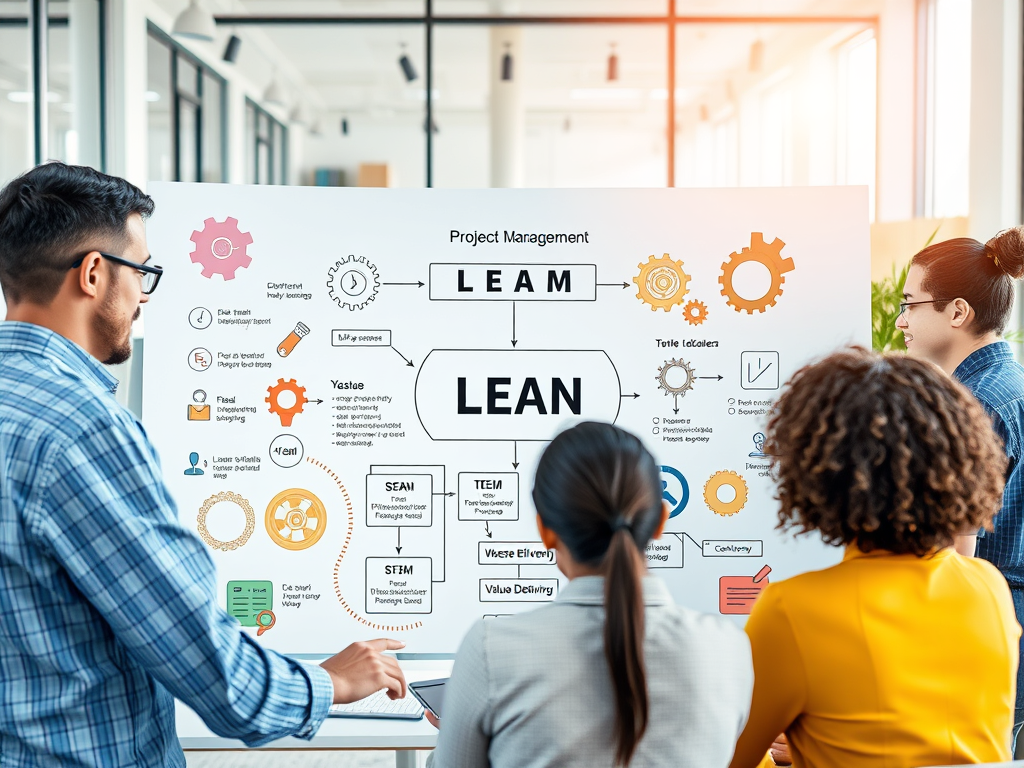
  • 8 Steps to Implement Lean Project Management Successfully

    In today’s fast-paced corporate environment, the pressure to deliver projects efficiently while maximizing resources has never been greater. Lean project management offers a structured approach to streamline processes, eliminate waste, and enhance value delivery. By implementing lean principles, organizations can minimize costs and improve customer satisfaction, driving overall success. This article outlines eight essential steps to successfully implement lean project management in large enterprises, providing practical insights and actionable guidance for leaders aiming to enhance operational efficiency.

    Understanding Lean Project Management Fundamentals

    Lean project management is rooted in the principles of lean manufacturing, originally conceived by Toyota to improve efficiency and reduce waste. At its core, lean project management focuses on delivering maximum value to customers while using the least amount of resources. This philosophy drives organizations to analyze their processes, identify redundancies, and focus on continuous improvement. Understanding these fundamentals is crucial for any enterprise aiming to adopt lean methods effectively.

    The primary objective of lean project management is to create more value with fewer resources. This means not only reducing costs but also improving quality and speed of delivery. For large organizations, this can translate into significant competitive advantages, allowing them to respond more rapidly to market changes and customer needs. Lean principles encourage teams to prioritize tasks that contribute directly to customer satisfaction, ensuring that every step in a project is aligned with business objectives.

    Furthermore, lean thinking fosters a culture of transparency and collaboration within teams. By engaging team members in the decision-making process, organizations can leverage diverse perspectives to identify areas for improvement. This collective approach not only enhances problem-solving but also empowers employees, leading to higher morale and greater ownership of work.

    Identifying Key Areas for Lean Implementation

    One of the first steps in implementing lean project management is conducting a thorough assessment of current processes. Large organizations should identify key areas where waste may exist, including excess inventory, unnecessary meetings, and inefficient workflows. By mapping out current processes, teams can visualize the flow of work and pinpoint bottlenecks that hinder productivity. This initial analysis lays the groundwork for prioritizing areas that will benefit most from lean interventions.

    Once areas of waste are identified, organizations can categorize them into specific types, such as overproduction, waiting time, and defects. Utilizing tools like Value Stream Mapping can help visualize these elements and their impacts on project timelines and costs. This targeted approach allows teams to focus their efforts on the most critical areas, ensuring that lean initiatives yield tangible benefits in efficiency and effectiveness.

    Additionally, it’s essential to involve cross-functional teams in this evaluation process. Different departments within an organization may experience varying levels of inefficiency, and collaboration can uncover insights that may not be obvious when viewed from a singular perspective. Engaging diverse teams fosters a holistic view of the business and encourages a culture of continuous improvement across the organization.

    Engaging Stakeholders for Successful Adoption

    Successful adoption of lean project management is heavily dependent on stakeholder engagement. Leaders must communicate the vision and benefits of the lean transformation to all stakeholders, from executives to team members. Taking this step ensures that everyone understands the rationale behind the changes and how they will contribute to overall business success. Fostering a sense of urgency around the need for lean practices helps garner buy-in from all levels of the organization.

    Creating open channels of communication is essential for addressing concerns and gathering feedback. Stakeholders should feel empowered to voice their opinions and suggestions throughout the implementation process. Regular meetings and updates can help maintain enthusiasm and momentum, providing opportunities for everyone to share their experiences and learn from one another. This ongoing dialogue strengthens relationships and fosters a sense of shared responsibility for the lean initiative.

    Lastly, recognizing and addressing the potential resistance to change is crucial. Change can provoke anxiety among employees, especially in large organizations where established processes have been in place for years. Acknowledging these concerns and providing clear guidance on how lean practices will benefit both the organization and the individual can ease the transition. Celebrating early wins can also serve as motivation, showcasing the positive impact of lean initiatives on project outcomes.

    Training Your Team on Lean Principles and Tools

    Once stakeholders are aligned, it’s vital to equip your team with the necessary knowledge and skills to implement lean practices successfully. Structured training programs should be developed, focusing on key lean principles such as continuous improvement, waste reduction, and value delivery. By providing employees with the tools they need, organizations can ensure that everyone is on the same page and ready to contribute to the transformation process.

    Training should not be a one-time event; instead, it should evolve to meet the organization’s needs. Offering workshops, hands-on learning opportunities, and access to lean resources can help continuously develop team members’ skills. This commitment to ongoing education reinforces the importance of lean thinking and cultivates a culture of learning and adaptation within the organization.

    In addition to formal training, mentoring and peer-to-peer support can enhance the learning experience. Encouraging experienced employees to share their insights with newer team members fosters collaboration and helps embed lean principles into daily practices. This dynamic not only accelerates the adoption of lean methodologies but also reinforces a sense of community and shared purpose among team members.

    Creating a Lean Culture Within Your Organization

    For lean project management to take root, the organization must cultivate a lean culture that prioritizes continuous improvement and customer value. This cultural shift requires leaders to model lean behaviors and principles in their decision-making processes. By demonstrating commitment to lean values, leaders can inspire employees to embrace these practices in their day-to-day work.

    Encouraging a culture of experimentation and risk-taking is also essential. Employees should feel empowered to try new approaches, conduct small-scale tests, and share their findings without fear of repercussions. This mindset fosters innovation and helps identify effective solutions to challenges that may arise during projects. Organizations that embrace this culture of experimentation often find that employees become more engaged and proactive in identifying opportunities for improvement.

    Finally, recognizing and rewarding behaviors that align with lean principles can help reinforce the desired culture. Implementing recognition programs that celebrate team achievements and individual contributions to lean initiatives can motivate employees to continue striving for excellence. By embedding lean values into the organizational fabric, companies pave the way for sustained success and long-term benefits from their lean initiatives.

    Setting Clear Goals and Metrics for Success

    Establishing clear goals and metrics is crucial for measuring the success of lean project management initiatives. Organizations should define specific, measurable, achievable, relevant, and time-bound (SMART) goals that align with their broader business objectives. These goals serve as a roadmap for teams, enabling them to focus on outcomes that directly contribute to organizational success.

    Metrics should be selected carefully to assess progress toward these goals. Key Performance Indicators (KPIs) such as cycle time, customer satisfaction, and defect rates can provide valuable insights into the effectiveness of lean practices. Regularly reviewing these metrics allows organizations to identify trends, measure the impact of lean initiatives, and make data-driven decisions for continuous improvement.

    Moreover, setting benchmarks can help teams understand where they stand relative to industry standards or best practices. This external perspective can motivate teams to strive for excellence and adopt innovative approaches to problem-solving. By consistently tracking progress and celebrating achievements, organizations can foster a culture of accountability and commitment to lean principles.

    Continuously Monitoring and Improving Processes

    The implementation of lean project management is not a one-time effort but an ongoing journey. Organizations must commit to continuously monitoring their processes to identify new areas for improvement and ensure that lean practices remain effective. Regular process evaluations can help teams identify emerging inefficiencies and adapt to changing business environments and customer needs.

    Engaging employees in this ongoing assessment is crucial. Encouraging teams to regularly reflect on their workflows and suggest improvements fosters a sense of ownership and accountability. Tools such as Kaizen events, where employees gather to discuss process improvements, can be instrumental in generating fresh ideas and encouraging collaboration.

    Furthermore, leveraging technology can enhance monitoring efforts. Many organizations now utilize project management software that provides real-time data and analytics on project performance. These insights empower teams to make informed decisions quickly and adapt their strategies as needed. By embracing a philosophy of continuous improvement, organizations can maintain their competitive edge and ensure sustainable success in their lean initiatives.

    Celebrating Wins and Reflecting on Lessons Learned

    As organizations progress through their lean project management journey, it is essential to celebrate wins and reflect on lessons learned. Recognizing achievements, both large and small, reinforces the importance of lean initiatives and motivates teams to continue striving for excellence. These celebrations can take various forms, from team recognition events to company-wide announcements, creating a sense of pride and accomplishment.

    In addition to celebrating successes, organizations should also create opportunities for reflection. Conducting post-project reviews allows teams to analyze what went well, what challenges they faced, and how they can improve in future projects. This practice fosters a growth mindset and encourages learning from both successes and failures, ultimately enhancing the effectiveness of future lean efforts.

    Finally, sharing these reflections with the broader organization can promote transparency and inspire other teams to adopt lean principles. By sharing best practices and lessons learned, organizations can create a culture of collaboration and continuous improvement that extends beyond individual projects. This commitment to learning and adaptation will be a critical driver of success as organizations continue to implement lean project management practices.

    Implementing lean project management successfully requires a strategic approach and commitment to continuous improvement. By following these eight steps, organizations can create a lean culture that optimizes processes, engages team members, and delivers exceptional value to customers. As enterprises navigate the complexities of today’s business landscape, embracing lean principles offers a pathway toward greater efficiency, cost reduction, and long-term success.


    Hashtags: #LeanManagement #ProjectEfficiency #ContinuousImprovement #StakeholderEngagement #BusinessSuccess

    External Source: For more insights on lean practices, visit Lean Enterprise Institute.

    Discover More great insights at www.projectblogs.com

  • The role of project managers (PMs) has undergone a significant transformation over the past two decades. From the traditional methodologies that dominated project execution to the rise of agile frameworks and digital tools, the PM landscape is continually evolving.

    Understanding these changes is crucial for organizations aiming to stay competitive. This article delves into the evolution of the PM role over the last 20 years, examining key drivers, methodological shifts, the impact of technology, and much more.

    Evolution of the PM
    Evolution of the PM: Navigating Change in Project Management

    The Changing Landscape of Project Management Over Two Decades

    The role of the project manager has experienced a metamorphosis from a task-oriented position to a strategic leadership role. In the early 2000s, PMs primarily focused on planning, scheduling, and monitoring project timelines.

    Their success was often measured by the ability to adhere to budgets and deadlines. This traditional view of project management concentrated on controlling resources and delivering outputs, often requiring PMs to possess a narrow skill set primarily focused on technical aspects.

    Fast forward to today, and the expectations for PMs have expanded considerably. They are now seen as key players in driving strategic business outcomes.

    Modern PMs are expected to navigate complex organizational dynamics, foster collaboration across departments, and align projects with broader business objectives. This shift reflects a growing recognition that projects are not just isolated endeavors but integral components of an organization’s overall strategy.

    As the demand for adaptability and responsiveness in project execution has increased, PMs have had to embrace a more holistic view of their roles. This means being comfortable with ambiguity, cultivating emotional intelligence, and prioritizing stakeholder engagement.

    The evolution of the PM role now encapsulates a balance between technical proficiency and strategic insight, making it essential for organizations to invest in their PMs’ development.

    Key Drivers Behind the Evolution of the PM Role

    Several factors have influenced the transformation of the project management role over the past two decades. First and foremost is the acceleration of technological advancements.

    The introduction of sophisticated project management software and collaboration tools has changed how PMs plan, execute, and communicate within teams. This has led to a shift from traditional task management to a more integrated approach, where PMs leverage data analytics to inform decision-making and improve project outcomes.

    Another significant driver is the shift toward a more globalized business environment.

    As organizations expand their operations across borders, project managers must manage multicultural teams and navigate different regulatory landscapes. This requires a higher level of adaptability and cultural awareness, pushing PMs to develop skills that go beyond traditional project management competencies.

    Understanding diverse perspectives and fostering inclusivity has become paramount in achieving global project success.

    Moreover, the rise of stakeholder expectations has played a crucial role in reshaping the PM landscape. In today’s interconnected world, stakeholders demand transparency, quick responses, and active involvement in the project lifecycle.

    PMs must now act as facilitators, ensuring that stakeholders are engaged and that their feedback is integrated into project planning and execution. This evolution emphasizes the importance of communication and relationship-building skills, setting the stage for a more collaborative project management paradigm.

    From Traditional to Agile: Methodological Shifts Explored

    The transition from traditional project management methodologies to agile frameworks represents one of the most significant shifts in the PM landscape. In the past, PMs relied heavily on waterfall methodologies, where projects were planned in sequential phases. This model emphasized extensive upfront planning and documentation, which often resulted in inflexible project execution that struggled to adapt to changing requirements.

    The agile movement has fundamentally altered this approach, emphasizing iterative development and continuous feedback. Today’s PMs are increasingly adopting agile practices, which allow teams to respond swiftly to changes and prioritize customer value. This methodological shift has made PMs more versatile, requiring them to be well-versed in various agile techniques, such as Scrum and Kanban, and to adopt a mindset of continuous improvement.

    Furthermore, the agile approach encourages cross-functional team collaboration, breaking down silos that often hinder project success. PMs now play a crucial role in fostering an agile culture within organizations, promoting collaboration, and empowering teams to take ownership of their work. This evolution signifies a paradigm shift in project management, where adaptability and responsiveness are paramount, fundamentally reshaping how projects are conceptualized and executed.

    Technology’s Impact on Project Management Practices

    Technology has been a game-changer in project management, revolutionizing how PMs operate. The introduction of cloud-based project management tools has facilitated real-time collaboration among team members, allowing for seamless communication regardless of geographical locations. This has enabled PMs to manage remote teams effectively and maintain project momentum, even in challenging circumstances.

    Additionally, data analytics has become a vital asset for PMs, providing insights that enhance decision-making and project planning. With access to real-time data, PMs can identify potential risks, monitor project performance, and make informed adjustments to strategies. This data-driven approach not only improves project outcomes but also enhances accountability and transparency among stakeholders.

    Moreover, advancements in automation and artificial intelligence are reshaping project workflows. Tasks that were once time-consuming, such as resource allocation and reporting, can now be automated, freeing PMs to focus on strategic initiatives. Embracing these technological innovations is no longer optional for PMs; it is essential for driving efficiency and achieving project success in an increasingly competitive landscape.

    Skills and Competencies: What Today’s PMs Need to Succeed

    As the role of project managers continues to evolve, so too do the skills and competencies required for success. Today’s PMs must possess a blend of technical, interpersonal, and leadership skills to navigate the complexities of modern projects. While technical knowledge remains crucial, soft skills such as communication, negotiation, and conflict resolution have become equally important in fostering collaborative environments.

    Emotional intelligence has emerged as a key competency for PMs, enabling them to connect with team members and stakeholders on a deeper level. Understanding team dynamics, recognizing individual strengths, and managing relationships effectively are vital skills that contribute to a positive project culture. PMs who can cultivate a supportive atmosphere are more likely to inspire their teams to excel and deliver outstanding results.

    Additionally, adaptability is a critical skill for today’s PMs. With the rapid pace of change in project environments, the ability to pivot and adjust project plans in response to new information or challenges is essential. This requires PMs to be proactive, resourceful, and open to new methodologies, tools, and approaches. In essence, the skill set of today’s project manager is not just about managing tasks; it is about being a versatile leader who can guide teams through uncertainty.

    The Rise of Stakeholder Engagement in Project Management

    In an era of heightened stakeholder expectations, engagement has become a focal point in project management. PMs are now tasked with actively involving stakeholders throughout the project lifecycle, ensuring their insights and feedback are incorporated into decision-making processes. This shift reflects a broader understanding that project success hinges on stakeholder satisfaction and collaboration.

    Effective stakeholder engagement requires PMs to employ various strategies, from regular communication updates to stakeholder workshops and feedback sessions. Building strong relationships with stakeholders fosters trust and transparency, enabling PMs to identify potential challenges early and address them proactively. PMs who prioritize stakeholder engagement are better equipped to navigate complexities and drive projects toward successful outcomes.

    Moreover, the emphasis on stakeholder engagement aligns with the growing trend of sustainability and corporate social responsibility. Organizations are increasingly expected to consider the social and environmental impacts of their projects, making stakeholder input critical. PMs must be adept at balancing diverse stakeholder interests while ensuring that projects align with organizational values and objectives, further underscoring the importance of effective engagement strategies.

    Future Trends: What Lies Ahead for Project Managers?

    Looking ahead, several trends are poised to shape the future of project management. One prominent trend is the continued integration of artificial intelligence and machine learning into project management processes.

    These technologies will enable PMs to leverage predictive analytics to forecast project outcomes, assess risks, and make informed decisions, ultimately enhancing efficiency and accuracy.

    Additionally, the emphasis on remote and hybrid work environments is likely to persist, necessitating PMs to adapt their management styles to accommodate diverse team dynamics.

    As organizations embrace flexible work arrangements, PMs will need to utilize digital tools to foster collaboration and maintain team cohesion, ensuring projects remain on track regardless of where team members are located.

    Finally, the increasing focus on sustainability and ethical project management practices will also shape the future landscape. PMs will be expected to incorporate sustainable practices into their project plans, aligning with organizational values and societal expectations.

    This trend signifies a shift toward more responsible project management, where PMs play a crucial role in driving positive change within their organizations and the communities they serve.

    Lessons Learned: Reflections on Two Decades of Change

    Reflecting on two decades of change in project management, several key lessons emerge. First and foremost, flexibility and adaptability are paramount in navigating an ever-evolving landscape.

    PMs who embrace change and are open to new methodologies will be better equipped to lead their teams through challenges and uncertainties.

    Another important lesson is the value of stakeholder engagement. PMs who prioritize building relationships with stakeholders and actively seek their input are more likely to achieve project success.

    This collaborative approach not only fosters trust but also enhances project outcomes by aligning initiatives with stakeholder expectations.

    Lastly, continuous learning and professional development are essential for PMs aiming to stay ahead in their field.

    As the project management landscape continues to evolve, investing in skills development and staying informed about emerging trends will empower PMs to navigate future challenges effectively.

    By reflecting on past experiences and embracing change, project managers can position themselves and their organizations for sustained success.

    The evolution of the project management role over the past 20 years serves as a testament to the dynamic nature of the business landscape.

    As PMs adapt to new methodologies, leverage technology, and prioritize stakeholder engagement, their contributions will continue to shape the success of organizations. By embracing change and committing to continuous learning, project managers can navigate the future with confidence and drive meaningful outcomes.


    Hashtags

    ProjectManagement #Agile #Leadership #StakeholderEngagement #Technology

    External Source

    https://www.projectsmart.co.uk/history-of-project-management/evolution-of-project-management.php

  • Agile Scaling Techniques That Deliver Results are becoming increasingly vital for large organizations looking to enhance collaboration, innovation, and efficiency. As agile methodologies gain traction in the corporate world, it’s essential for enterprises to adopt strategies that not only facilitate agile practices but also ensure they deliver measurable results. In this article, we will explore various aspects of agile scaling, including understanding its principles, benefits, challenges, and real-world applications that can lead to successful outcomes.

    Agile Scaling Techniques That Deliver Results
    Agile Scaling Techniques That Deliver Results For Projects

    Understanding Agile Scaling Techniques for Enterprises

    Agile scaling techniques are designed to extend the principles of agile methodologies across larger teams and multiple projects. Unlike traditional agile approaches, which often focus on small teams, scaling agile allows enterprises to maintain flexibility and responsiveness even as they grow. Common frameworks such as SAFe (Scaled Agile Framework), LeSS (Large Scale Scrum), and Spotify Model provide structured approaches to help organizations implement agile practices on a broader scale. These techniques encourage collaboration across departments, streamline communication, and foster an iterative culture that can adapt to changing market needs.

    In the context of large organizations, effective agile scaling requires a shift in mindset. It is not merely about applying agile practices to multiple teams but rethinking how teams interact and collaborate. Leadership plays a crucial role in this transformation by empowering teams, encouraging autonomy, and facilitating a culture of trust. By cultivating an environment where teams feel empowered to take ownership of their work, organizations can ensure that agile methodologies are not just adopted but are integrated into the very fabric of the company’s operations.

    Achieving success with agile scaling also involves a focus on continuous improvement. This means regularly assessing processes, tools, and team dynamics to identify areas for enhancement. Agile scaling is not a one-size-fits-all approach; what works for one organization may not work for another. Therefore, it’s essential for enterprises to remain flexible and willing to iterate on their agile practices as they collect feedback and data over time.

    Key Principles Behind Effective Agile Scaling

    The foundation of successful agile scaling rests on several key principles that guide organizations in their implementation efforts. One of the foremost principles is alignment with business goals. As organizations expand their agile initiatives, it becomes crucial that all teams and projects align with the overarching strategic objectives of the enterprise. Clear communication of these goals ensures that teams understand the ‘why’ behind their work, fostering motivation and purpose.

    Collaboration is another vital principle in agile scaling. Large organizations often struggle with silos, which can hinder effective communication and teamwork. To overcome this challenge, organizations need to promote cross-functional collaboration, where teams from different departments come together to share insights and best practices. This collaborative environment not only enhances the quality of work but also accelerates problem-solving and innovation, ultimately benefiting the organization as a whole.

    Finally, flexibility is crucial in agile scaling. Organizations need to be open to adjusting their processes, structures, and tools as they scale agile practices. This flexibility enables teams to embrace change, respond to new challenges, and seize opportunities as they arise. By fostering a culture of adaptability, organizations can ensure that their agile scaling efforts remain relevant and effective, helping them stay competitive in today’s fast-paced business landscape.

    Benefits of Scaling Agile in Large Organizations

    Scaling agile offers numerous benefits that can significantly enhance an organization’s overall performance. One of the most notable advantages is improved delivery speed. By implementing agile practices at scale, organizations can streamline their workflows, reduce bottlenecks, and enhance their ability to deliver products and services quickly. This speed not only satisfies customer demands but also allows businesses to capitalize on emerging market trends before their competitors.

    Another benefit of scaling agile is enhanced quality. Agile methodologies emphasize continuous testing and feedback, which leads to the early identification and resolution of defects. When these practices are scaled across teams, the overall quality of products and services improves, resulting in higher customer satisfaction and lower costs associated with rework. This commitment to quality can be a significant differentiator in competitive markets, enabling organizations to build stronger brand loyalty.

    Moreover, scaling agile fosters a culture of innovation. In a traditional hierarchical structure, innovative ideas may struggle to gain traction, as approval processes can be cumbersome. However, agile scaling encourages a decentralized approach where teams are empowered to experiment and iterate. This freedom can lead to breakthrough innovations that drive growth and create new revenue streams. By harnessing the collective creativity of diverse teams, organizations can position themselves as industry leaders.

    Common Challenges in Agile Scaling and Solutions

    Despite the numerous benefits, scaling agile is not without its challenges. One common obstacle organizations face is resistance to change. Employees who are accustomed to traditional ways of working may be hesitant to adopt agile practices, fearing disruption or uncertainty. To overcome this challenge, it’s essential for leadership to communicate the benefits of agile clearly and involve team members in the transition process. Providing training and resources can also help alleviate fears and encourage buy-in.

    Another challenge is the complexity of coordinating multiple agile teams. As organizations scale, they often encounter difficulties in aligning different teams toward common goals. This can lead to miscommunication, duplicated efforts, and inefficiencies. To address this issue, organizations can establish clear roles and responsibilities, implement robust communication tools, and create cross-team collaboration frameworks. Regular coordination meetings and shared objectives can help keep everyone on the same page.

    Finally, the lack of appropriate metrics can hinder the effectiveness of agile scaling efforts. Organizations may struggle to measure the success of their initiatives, making it difficult to identify areas for improvement. To address this challenge, organizations should establish meaningful metrics that align with their business goals. By measuring key performance indicators such as time-to-market, customer satisfaction, and team collaboration, organizations can gain valuable insights that inform their agile scaling strategies.

    Popular Agile Frameworks for Enterprise Scaling

    When it comes to scaling agile in large organizations, several frameworks have emerged as popular choices. The Scaled Agile Framework (SAFe) is one of the most widely adopted models, offering a structured approach that aligns teams with business objectives. SAFe emphasizes collaboration, transparency, and continuous improvement, making it an effective choice for enterprises looking to scale agile practices across multiple teams and projects.

    Another framework gaining traction is the Large Scale Scrum (LeSS) model. LeSS focuses on simplicity and encourages teams to work together while minimizing complexity. By promoting a single product backlog and shared goals, LeSS fosters collaboration across teams and helps streamline processes. This framework is particularly effective for organizations that want to maintain the core principles of Scrum while scaling their agile efforts.

    The Spotify Model is another innovative approach to scaling agile. This model emphasizes a strong cultural foundation, with a focus on autonomy, alignment, and a sense of community among teams. Spotify encourages teams to operate independently while fostering collaboration through regular meetings and knowledge-sharing sessions. This approach allows organizations to scale agile practices while preserving the creative and innovative spirit that often drives success.

    Real-World Success Stories of Scaled Agile

    Many organizations have successfully implemented agile scaling techniques to drive growth and innovation. For example, a leading global technology company adopted the SAFe framework to enhance collaboration across its diverse teams. By aligning teams around common objectives and fostering a culture of transparency, the company significantly improved its time-to-market for new products. As a result, it gained a competitive edge and increased customer satisfaction.

    Another notable success story comes from a large financial services organization that implemented the LeSS framework. The organization faced challenges with silos and miscommunication among teams, leading to delays in delivering services. By adopting LeSS, they established a shared product backlog and encouraged cross-team collaboration. This shift not only improved efficiency but also enhanced the quality of their services, ultimately leading to higher customer satisfaction scores.

    Similarly, a prominent e-commerce company embraced the Spotify Model to empower its teams and foster a collaborative culture. By allowing teams to operate independently while maintaining alignment with the organization’s strategic goals, the company witnessed a surge in innovation. They introduced new features and services faster than ever before, resulting in increased market share and revenue growth.

    Measuring Results: Metrics That Matter in Agile

    Measuring the effectiveness of agile scaling initiatives is critical for ensuring ongoing success. Organizations need to focus on metrics that provide insights into team performance, product quality, and customer satisfaction. A few key metrics include lead time, which measures the time taken from concept to delivery, and cycle time, which tracks how long it takes to complete individual tasks. By analyzing these metrics, organizations can identify bottlenecks and areas for improvement.

    Another important metric is the Net Promoter Score (NPS), which gauges customer satisfaction and loyalty. A high NPS indicates that customers are satisfied with the products or services being delivered, while a low score may highlight areas that require attention. By regularly measuring and analyzing NPS, organizations can ensure that their agile scaling efforts are aligned with customer needs and expectations.

    Moreover, organizations should consider implementing team health metrics, which assess collaboration, morale, and engagement within teams. Tools such as surveys and retrospectives can help gather feedback and identify areas for improvement. By focusing on team dynamics, organizations can foster a positive work environment that promotes creativity and innovation, further enhancing the success of their agile scaling initiatives.

    Best Practices for Implementing Agile at Scale

    Implementing agile at scale requires careful planning and execution. One best practice is to start small and gradually expand. Organizations should pilot agile practices within a few teams before rolling them out across the entire organization. This approach allows for experimentation, learning, and refinement, ensuring that agile scaling initiatives are well-received and effective.

    Another best practice is to invest in training and coaching. Providing teams with the knowledge and skills they need to thrive in an agile environment is essential. This may include workshops, mentorship programs, and access to resources that foster a deeper understanding of agile principles and practices. Well-trained teams are more likely to embrace agile methodologies and contribute to successful scaling efforts.

    Finally, fostering a culture of continuous improvement is crucial for long-term success. Organizations should regularly assess their agile practices, gather feedback from teams, and iterate on their processes. This commitment to learning and growth not only enhances the effectiveness of agile scaling initiatives but also ensures that the organization remains adaptable in a constantly changing business environment.

    Scaling agile in large organizations presents a wealth of opportunities and challenges. By understanding the principles, benefits, challenges, and best practices associated with agile scaling, enterprises can effectively implement these techniques to drive success. Real-world success stories serve as proof of the effectiveness of scaling agile, and with the right metrics and frameworks in place, organizations can ensure they deliver results that align with their strategic goals.


    Hashtags: #AgileScaling #EnterpriseAgility #AgileFrameworks #ContinuousImprovement #AgileSuccess

    External Source Call-to-Action: For more insights on agile scaling frameworks, check out Scaled Agile Framework.

    Discover More great insights at www.projectblogs.com

  • The journey a customer takes from initial awareness of a brand to becoming a loyal advocate is often intricate and multifaceted. This journey, known as the customer value journey, encapsulates the series of steps a consumer experiences during their relationship with a business. Understanding and optimizing this journey can enhance customer satisfaction, loyalty, and ultimately drive revenue. In this article, we will delve into the various stages of the customer value journey, explore effective mapping strategies, and identify common pitfalls to avoid.

    Customer Value Journey
    Customer Value Journey: Key Stages and Effective Mapping Techniques

    Understanding the Customer Value Journey Framework

    The customer value journey framework is a strategic model that illustrates how a customer interacts with a brand over time. This model emphasizes the importance of understanding customer needs, emotions, and behaviors at each phase of their journey. The primary goal of the framework is to create value for customers while simultaneously advancing business objectives. By mapping out the customer journey, organizations can pinpoint opportunities for engagement and improvement, ensuring a seamless experience that fosters loyalty.

    This framework typically outlines several stages, starting from awareness, where potential customers first learn about a brand, to advocacy, where satisfied customers recommend the brand to others. Each stage is characterized by specific actions, thoughts, and feelings that customers experience. Recognizing these nuances allows businesses to tailor their marketing strategies and customer interactions. When organizations align their processes with the customer journey, they not only boost customer satisfaction but also enhance their bottom line.

    Moreover, the customer value journey is not static; it evolves with changing consumer preferences and technological advancements. As more businesses adopt digital channels, the importance of understanding this journey grows. Companies must remain agile, adapting their strategies to meet the ever-changing expectations of their customers. By focusing on the customer value journey, organizations can create lasting relationships with their audience while navigating the complexities of a competitive marketplace.

    Key Stages of the Customer Value Journey Explained

    The customer value journey consists of several key stages: awareness, engagement, subscription, conversion, excitement, ascension, advocacy, and promotion. Each of these stages plays a critical role in transforming a casual observer into a loyal customer. Starting with awareness, this is where potential customers first learn about a brand, whether through advertising, social media, or word of mouth. At this stage, the emphasis should be on creating strong brand visibility and educating consumers about the value your products or services can provide.

    Once customers are aware of a brand, they move into the engagement phase. This is where businesses can connect with potential customers through personalized content and interactions. Engaging customers effectively involves creating meaningful conversations, addressing questions, and nurturing relationships. Brands can utilize email marketing, social media engagement, and informative content to deepen these connections, fostering a sense of trust and community.

    Following engagement, customers enter the subscription phase, where they express interest in the brand by signing up for newsletters or free trials. This is a pivotal moment as it signifies a commitment from the customer. The conversion stage follows, where interested prospects make a purchase. Here, businesses need to ensure a smooth purchasing process, highlighting the benefits and value of their offerings. The excitement phase comes next, where businesses should follow up with customers to ensure satisfaction and reinforce their decision to buy. This positive reinforcement is essential for guiding them toward the next stages of the journey.

    How to Map Your Customers’ Value Journey Effectively

    Mapping the customer value journey begins with understanding your target audience. Utilizing customer personas can help businesses identify the needs, preferences, and pain points of different segments. These personas should be based on data-driven insights, such as demographic information, purchasing behavior, and feedback gathered through surveys or customer interviews. Once these personas are defined, organizations can analyze their journey stages in alignment with each persona’s specific needs and expectations.

    The next step involves creating a visual representation of the customer journey. This journey map should illustrate each stage, highlighting the touchpoints where customers interact with the brand. It’s essential to outline the customer’s thoughts, feelings, and actions at each stage, including potential obstacles and opportunities for improvement. By understanding what customers experience, businesses can better tailor their marketing strategies, ensuring that they meet customers where they are.

    Finally, businesses must continuously refine their journey mapping process. Customer preferences evolve, and so do market trends. Regularly soliciting feedback, analyzing customer behavior, and staying updated with industry developments will enable organizations to adapt their strategies accordingly. By fostering a culture of continuous improvement, companies can ensure that their customer value journey remains relevant and resonates with their audience.

    Strategies for Enhancing Customer Engagement Throughout

    To enhance customer engagement throughout the value journey, businesses should prioritize personalization. Personalizing communications and offers based on customer data can significantly improve engagement. This can be accomplished through targeted email campaigns, tailored website experiences, and personalized product recommendations. By leveraging data analytics, companies can create more relevant touchpoints that resonate with customers on a personal level, thus driving deeper connections.

    Another effective strategy involves utilizing content marketing. Providing valuable and relevant content that addresses customers’ needs and interests can keep them engaged. This could range from informative blogs and videos to interactive webinars and social media posts. By positioning the brand as a thought leader, businesses can instill trust and encourage ongoing engagement. Regularly updating content and involving customers in creating it—such as through user-generated content—can further enhance this process.

    Additionally, fostering community engagement can significantly boost customer loyalty. Businesses can create online communities where customers can interact, share experiences, and provide feedback. Encouraging participation through events, discussions, and exclusive content can help customers feel valued and connected to the brand. This sense of community not only enhances engagement but also encourages word-of-mouth referrals, further amplifying the customer value journey.

    Measuring Success in the Customer Value Journey

    Measuring success in the customer value journey requires identifying key performance indicators (KPIs) that align with each stage. These KPIs can include metrics such as website traffic, conversion rates, customer retention rates, and customer lifetime value (CLV). By analyzing these metrics, organizations can gain insights into how effectively they are guiding customers through their journey and where improvements may be needed.

    Utilizing customer feedback is another essential component of measuring success. Surveys, interviews, and net promoter scores (NPS) can provide valuable qualitative insights into customer satisfaction and loyalty. Regularly collecting and analyzing this feedback allows businesses to make informed adjustments to their strategies, ensuring they meet customer expectations and foster long-term relationships.

    Finally, it’s crucial to employ data analytics tools to track customer behavior and interactions across various touchpoints. Understanding customer pathways, including where they drop off and what prompts a conversion, can provide valuable insights. These analytics not only help in measuring current success but also inform future strategies, ensuring that organizations continuously align their efforts with customer needs.

    Common Pitfalls in the Customer Value Journey Process

    Despite the clear benefits of optimizing the customer value journey, many organizations fall victim to common pitfalls. One of the most significant issues is neglecting to understand the customer’s perspective. Many businesses focus solely on their internal processes, leading to a misalignment between what they offer and what customers truly value. This oversight can result in poor customer experiences and ultimately lower customer retention.

    Another common pitfall is failing to adapt to changing customer expectations. As market conditions and consumer preferences evolve, organizations must remain agile and responsive. Sticking to outdated strategies or assumptions can alienate customers, hindering engagement and loyalty. Businesses should regularly review and update their customer journey maps, ensuring they stay relevant in an ever-changing landscape.

    Lastly, a lack of cross-departmental collaboration can hinder the effectiveness of the customer value journey. When different teams operate in silos, customer experiences can become disjointed. Ensuring that marketing, sales, and customer service departments work together towards a unified vision of the customer journey is essential. This collaboration fosters a holistic approach to customer interactions, ensuring consistency and enhancing the overall experience.

    Real-World Examples of Successful Customer Journeys

    Numerous organizations have successfully optimized their customer value journeys, leading to increased satisfaction and loyalty. One notable example is Amazon, which has mastered the art of personalization. By using advanced algorithms to analyze customer data, Amazon provides tailored recommendations that enhance the shopping experience. Their seamless checkout process and efficient customer service further reinforce the positive journey, contributing to their high customer retention rates.

    Another example is Starbucks, which has successfully integrated a loyalty program into their customer value journey. By offering rewards for purchases, the company encourages repeat visits and fosters a sense of community among customers. Their mobile app enhances the customer experience by allowing users to order ahead and earn rewards, providing convenience and satisfaction at every stage of the journey.

    Lastly, Zappos is renowned for its exceptional customer service. The company prioritizes customer satisfaction, offering hassle-free returns and 24/7 support. This commitment to going above and beyond for customers not only creates a positive experience but also turns customers into loyal advocates. Zappos’ approach demonstrates how a focus on customer experience can yield long-term success in the retail industry.

    Future Trends in Customer Value and Experience Strategy

    As we look ahead, several trends are shaping the future of the customer value journey. One significant trend is the rise of artificial intelligence (AI) and machine learning. These technologies enable businesses to analyze vast amounts of customer data, allowing for hyper-personalization and predictive analytics. By anticipating customer needs and preferences, organizations can create more engaging experiences that resonate on a deeper level.

    Another emerging trend is the increasing emphasis on sustainability and social responsibility. Consumers today are more conscious of the brands they support, often preferring those that align with their values. Businesses that prioritize sustainability in their practices and communicate these efforts effectively throughout the customer journey can build stronger emotional connections with their audience.

    Finally, as remote work and digital interactions become the norm, enhancing virtual customer experiences is crucial. Companies must focus on creating seamless and engaging online experiences, from user-friendly websites to interactive customer support. Embracing digital transformation and leveraging technology to streamline the customer value journey will be essential for organizations looking to thrive in the future.

    Understanding and optimizing the customer value journey is vital for businesses aiming to enhance customer satisfaction and loyalty. By recognizing the key stages, mapping the journey effectively, and avoiding common pitfalls, organizations can create meaningful connections with their audience. As customer preferences evolve, staying ahead of trends and utilizing innovative strategies will also ensure long-term success. Ultimately, a well-executed customer value journey can transform casual buyers into brand advocates, driving growth and profitability for businesses.

    Frequently Asked Questions

    What is the customer value journey?

    The customer value journey is a strategic framework that maps the full relationship between a customer and a brand, from initial awareness through engagement, purchase, retention, and advocacy. It focuses on how value is created, delivered, and reinforced at each stage of the customer lifecycle.

    How does the customer value journey differ from a traditional sales funnel?

    Unlike a linear sales funnel, the customer value journey is cyclical and relationship-driven. It emphasizes long-term engagement, loyalty, and advocacy rather than a single transaction, making it more suitable for organizations focused on sustainable growth.

    Why is the customer value journey important for organizations?

    Understanding the customer value journey helps organizations identify where customers gain or lose value. This insight supports better decision-making, improves customer experience, strengthens retention, and increases lifetime value, all of which directly impact revenue and brand strength.

    What are the key stages of the customer value journey?

    Common stages include awareness, engagement, consideration, conversion, retention, loyalty, and advocacy. Each stage reflects a shift in customer intent and expectations, requiring different strategies and touchpoints to maintain momentum.

    How can businesses effectively map the customer value journey?

    Effective mapping involves analyzing customer data, gathering feedback, and aligning internal teams around shared customer insights. Organizations should document key touchpoints, emotions, and decision drivers to identify friction points and opportunities for improvement.

    What role does data play in optimizing the customer value journey?

    Data provides visibility into customer behavior, preferences, and outcomes at each stage of the journey. Analytics enable organizations to personalize experiences, predict needs, and measure the effectiveness of engagement strategies.

    How does customer experience influence the value journey?

    Customer experience is central to the value journey. Positive, consistent experiences build trust and loyalty, while negative interactions can disrupt progress and reduce long-term value. Experience design should be intentional across all touchpoints.

    What are common pitfalls when managing the customer value journey?

    Common pitfalls include treating the journey as a one-time exercise, focusing only on acquisition, ignoring post-purchase engagement, and failing to align internal teams. These gaps often result in lost loyalty and reduced lifetime value.

    How can organizations align teams around the customer value journey?

    Alignment requires shared ownership of customer outcomes, clear accountability, and consistent communication. Cross-functional collaboration between marketing, sales, customer success, and operations is essential to delivering a cohesive journey.

    How does the customer value journey drive long-term growth?

    By prioritizing ongoing value creation and relationship building, the customer value journey supports repeat business, referrals, and brand advocacy. This approach reduces acquisition costs and creates a more resilient, customer-centric organization.

    Conclusion

    Understanding and actively managing the customer value journey is no longer a marketing exercise, it is a core business discipline that directly influences growth, profitability, and brand resilience. Organizations that take the time to map and optimize each stage of the journey gain far more than improved customer satisfaction. They create clarity around how value is delivered, where trust is built, and why customers choose to stay, spend more, and advocate on behalf of the brand.

    A well-designed customer value journey enables organizations to move beyond transactional thinking and toward long-term relationship building. By aligning awareness, engagement, conversion, and retention efforts under a single strategic framework, businesses reduce friction, improve consistency, and create experiences that feel intentional rather than fragmented. This alignment also strengthens internal collaboration, ensuring teams across marketing, sales, operations, and customer success are working toward shared outcomes rather than isolated metrics.

    Ultimately, organizations that master the customer value journey are better positioned to adapt to changing customer expectations, competitive pressures, and market conditions. They make smarter investments, respond more effectively to customer signals, and build loyalty that compounds over time. In a marketplace where products and pricing can be easily replicated, the ability to deliver sustained value across the entire customer journey becomes a defining competitive advantage.


    Hashtags: #CustomerExperience #CustomerJourney #BrandLoyalty #MarketingStrategy #DigitalTransformation

    Explore blog insights at www.projectblogs.com

  • Project 10 Million is an enterprise-scale initiative designed to provide millions of underserved students with the digital tools they need for learning. By supplying free internet connectivity, mobile hotspots, and at-cost laptops or tablets, the program addresses structural inequities that limit educational opportunity.

    For corporations, governments, and large non-profits participating in the initiative, Project 10 Million is not simply a charitable activity. It is a highly strategic undertaking that requires robust governance, operational coordination, logistics management, and measurable outcomes. Success depends on the ability to operate at scale while maintaining visibility, control, and impact measurement.

    Project 10 Million
    Project 10 Million: Bridging the Digital Divide for Students

    Strategic Objectives

    The enterprise objectives of Project 10 Million extend beyond technology distribution:

    • Educational Access: Ensure all participating students can reliably connect to online learning resources.
    • Equity and Inclusion: Prioritize underserved households and communities that face systemic barriers.
    • Operational Efficiency: Streamline device and connectivity distribution at scale.
    • Stakeholder Alignment: Coordinate cross-functional teams, community partners, and local authorities.
    • Impact Measurement: Track student engagement, device usage, and learning outcomes.

    By aligning operational execution with strategic goals, Project 10 Million transforms digital inclusion from a social mission into a measurable enterprise initiative.


    Governance and Oversight

    Steering Committee

    Large-scale programs like Project 10 Million rely on executive-level steering committees. These groups set priorities, approve budgets, monitor performance, and ensure alignment with enterprise strategy. Members include corporate leaders, technology officers, operational executives, and community engagement directors.

    Program Management Office

    A dedicated Program Management Office (PMO) oversees day-to-day operations, tracking progress across distribution channels, supply chains, and service providers. The PMO ensures that objectives are translated into actionable tasks with clear ownership, timelines, and key performance indicators.

    Compliance and Risk Functions

    Ensuring student data privacy, safeguarding devices, and managing vendor contracts requires active risk and compliance oversight. Policies are implemented to protect sensitive information, prevent misuse, and maintain regulatory compliance across jurisdictions.


    Operational Execution

    Device Procurement and Logistics

    Acquiring millions of laptops and tablets requires centralized procurement strategies with vendor consolidation, bulk purchasing, and quality assurance. Distribution logistics coordinate warehousing, shipping, and delivery schedules to reach diverse geographic locations efficiently.

    Connectivity Solutions

    Providing internet access involves partnerships with ISPs, mobile carriers, and local community networks. Mobile hotspots are pre-configured, and service plans are standardized to maximize coverage while controlling costs.

    Technology Support and Training

    Devices alone do not guarantee learning. Support structures, including technical help desks, digital literacy training, and user guides, are deployed to ensure students and families can effectively use the technology provided.


    Stakeholder Engagement

    Community Partnerships

    Local school districts, non-profits, and community organizations help identify students in need and coordinate local distribution events. Their engagement ensures that resources are targeted efficiently and equitably.

    Corporate Partners

    Corporate entities provide funding, technology resources, and operational expertise. Collaboration across departments from logistics to IT to marketing ensures that Project 10 Million operates smoothly at scale.

    Government Agencies

    Partnerships with government agencies support regulatory compliance, public outreach, and reporting. These collaborations also enhance credibility and expand program reach.


    Impact Measurement

    Key Metrics

    Tracking the effectiveness of Project 10 Million involves multiple KPIs:

    • Number of households connected to internet access
    • Number of laptops or tablets distributed
    • Device activation rates and usage patterns
    • Student engagement with online learning platforms
    • Reduction in digital access gaps across targeted regions

    These metrics are reported to executives, steering committees, and public stakeholders to ensure transparency and continuous improvement.

    Dashboards and Reporting

    Enterprise dashboards provide real-time visibility into device allocation, connectivity coverage, technical support requests, and student engagement. These tools enable leadership to make informed decisions, reallocate resources, and address bottlenecks proactively.

    MetricPurposeAudienceFrequency
    Device DistributionTracks allocation and delivery completionPMO / Steering CommitteeWeekly
    Connectivity CoverageMeasures internet access and hotspot activationExecutives / PartnersBi-weekly
    Support TicketsMonitors technical issues and resolution timeOperations / ITDaily
    Engagement MetricsEvaluates usage and learning adoptionEducation Partners / BoardMonthly
    Equity ImpactTracks underserved household reachCommunity PartnersMonthly

    Risk Management

    Operational Risks

    • Supply chain delays
    • Device loss or damage during shipping
    • Connectivity outages in remote areas

    Mitigation Strategies

    • Diversify suppliers to reduce dependency
    • Implement insurance and tracking for shipments
    • Establish backup connectivity solutions and local network support

    Compliance Risks

    • Student privacy breaches
    • Regulatory non-compliance in education data

    Mitigation Strategies

    • Encrypt devices and manage user accounts centrally
    • Partner with compliance teams to align with data protection laws and educational regulations

    Achievements and Success Stories

    Project 10 Million has delivered tangible results for students and communities:

    • Millions of students in underserved households gained internet access for the first time
    • At-cost laptops and tablets were distributed to tens of thousands of students annually
    • Participation in online learning increased measurably in targeted districts
    • Enterprise partners strengthened community relationships and demonstrated measurable social impact

    Case Example: In a pilot region, 50,000 students received internet-enabled devices. Within six months, engagement on digital learning platforms rose by 35 percent, and dropout risk decreased in participating schools.


    Practical Guidance for Enterprise Initiatives

    1. Align cross-functional teams with shared objectives and accountability
    2. Establish a PMO for centralized oversight and reporting
    3. Use technology dashboards to monitor operational metrics and impact
    4. Partner with local organizations to maximize reach and equity
    5. Integrate risk management and compliance from project inception
    6. Track KPIs to demonstrate measurable impact for both internal and external stakeholders
    7. Scale incrementally while maintaining flexibility to respond to local needs

    Future Directions

    Project 10 Million continues to evolve:

    • Expanding connectivity solutions to rural and remote areas
    • Introducing device refresh programs for sustainability
    • Leveraging AI and analytics to monitor engagement and learning outcomes
    • Creating hybrid models where corporate partners contribute resources and expertise to sustain programs over time

    By embedding social impact initiatives into enterprise strategy, large organizations can demonstrate leadership while directly addressing inequities in digital access.


    Frequently Asked Questions

    What is Project 10 Million

    Project 10 Million is an enterprise-scale initiative designed to bridge the digital divide for students by providing free internet connectivity, mobile hotspots, and at-cost laptops or tablets to underserved households.

    Why is Project 10 Million important for large organizations

    Large organizations participate to create measurable social impact while demonstrating corporate responsibility. It helps expand digital access, supports education equity, and strengthens community relations at scale.

    Who benefits from Project 10 Million

    Underserved students and households gain access to devices and connectivity, enabling participation in digital learning. Local schools, community organizations, and corporate partners also benefit through increased engagement and measurable outcomes.

    How do organizations implement Project 10 Million at scale

    Enterprises establish a Program Management Office (PMO), coordinate cross-functional teams, manage procurement and logistics, and deploy dashboards to monitor device distribution, connectivity activation, and student engagement.

    What types of devices and connectivity are provided

    Students receive at-cost laptops or tablets and mobile hotspots with free internet service. Devices are configured for secure and reliable use, often with access to digital learning platforms and technical support.

    How is the impact of Project 10 Million measured

    KPIs include the number of students connected, device activation rates, internet usage, engagement with learning platforms, and reduction in digital access gaps. Dashboards provide executives and partners with real-time insights.

    How do organizations manage risks in Project 10 Million

    Risks include supply chain delays, device damage, connectivity outages, and data privacy concerns. Mitigation involves supplier diversification, device tracking, backup connectivity, and compliance with privacy regulations.

    How do corporate partners and community organizations collaborate

    Corporate partners provide technology, funding, and operational expertise. Community organizations help identify students in need, organize local distribution events, and provide ongoing support to families.

    How does Project 10 Million support long-term digital equity

    The initiative establishes infrastructure and access pathways for underserved students, creating sustainable opportunities for learning and skill development. Ongoing monitoring and device refresh programs help maintain continuity.

    Can Project 10 Million be adapted for different regions or countries

    Yes. The initiative is scalable and flexible, allowing enterprises to tailor deployment strategies to local needs, regulatory requirements, and technology availability while maintaining enterprise-level governance and reporting.


    Conclusion

    Project 10 Million illustrates how large organizations can transform social impact into a structured, measurable enterprise initiative. By providing free internet connectivity, mobile hotspots, and at-cost laptops or tablets, the program does more than close the digital divide it creates pathways for millions of students to access education, build digital skills, and engage in learning opportunities that were previously out of reach.

    The success of Project 10 Million is rooted in rigorous governance, cross-functional collaboration, and robust operational execution. Centralized program management, executive oversight, and real-time dashboards ensure that every device delivered and every connectivity solution deployed aligns with strategic objectives. Risk management, compliance, and stakeholder engagement frameworks further guarantee that large-scale initiatives operate efficiently while safeguarding privacy and regulatory standards.

    For corporate partners, Project 10 Million is a model for turning social responsibility into tangible outcomes. It demonstrates that enterprises can scale initiatives without sacrificing quality or accountability, generating measurable educational benefits while strengthening relationships with communities, schools, and local governments.

    Moreover, by embedding impact measurement and continuous improvement into every stage of the project, organizations gain actionable insights that inform future programs. Lessons learned from distribution logistics, connectivity solutions, and technical support can be applied to similar initiatives globally, creating a blueprint for sustainable, enterprise-level digital inclusion.

    In the end, Project 10 Million is more than a program it is a strategic capability. Enterprises that execute initiatives of this scale effectively not only drive social change but also enhance their operational agility, cross-functional coordination, and governance maturity. By investing in digital equity, organizations demonstrate that large-scale, high-impact programs can be both socially meaningful and operationally disciplined, setting a new standard for enterprise-led innovation in education access.


    External Resource Call to Action

    For additional insights on bridging the digital divide in education see T-Mobile
    https://www.t-mobile.com/business/education/project-10-million


    Hashtags

    #Project10Million #DigitalInclusion #EdTechImpact #EnterpriseSocialImpact #ConnectivityForStudents


    Discover More great insights at www.projectblogs.com

  • Regulatory change is no longer episodic. For large organizations, it is constant, fragmented, and often overlapping across jurisdictions. New laws, revised standards, supervisory guidance, enforcement priorities, and reporting expectations arrive continuously. The issue is not whether regulation will change, but how fast an organization can detect it, interpret it, and respond without disrupting core operations.

    Regulatory change management exists to answer one critical executive question: how do we stay compliant while still moving forward. When handled poorly, regulatory change becomes a source of operational drag, missed deadlines, audit findings, and reputational risk. When handled well, it becomes a stabilizing force that protects growth, supports decision making, and reassures boards, regulators, and customers.

    For enterprises operating across regions, industries, or legal regimes, regulatory change management is no longer a compliance function alone. It is a business capability.

    Regulatory Change Management
    Regulatory Change Management: How Organizations Manage Change

    What Regulatory Change Management Really Means in Practice

    Regulatory change management is the structured process by which organizations identify, assess, implement, and monitor regulatory developments that affect their business. At enterprise scale, this process touches legal, compliance, risk, operations, technology, HR, finance, and executive leadership.

    It is not a one-time project. It is a continuous lifecycle that includes:

    • Horizon scanning for new and emerging regulatory requirements
    • Impact assessment across products, services, and operations
    • Ownership assignment and accountability tracking
    • Policy, process, and control updates
    • Evidence collection and audit readiness
    • Ongoing monitoring and reporting

    In mature organizations, regulatory change management is embedded into governance frameworks, not bolted on after the fact.


    The Cost of Poor Regulatory Change Management

    When regulatory change is managed informally or reactively, predictable problems follow.

    Missed or late regulatory implementations expose the organization to fines, remediation programs, and supervisory scrutiny. Inconsistent interpretation leads to fragmented controls across business units. Manual tracking creates dependency on individuals rather than systems. Most damaging of all, leadership loses confidence in its ability to answer basic questions about compliance readiness.

    In regulated sectors such as financial services, healthcare, energy, and telecommunications, these failures have direct commercial consequences. Product launches are delayed. Market entry is blocked. Mergers stall under regulatory review. Brand trust erodes.

    Regulatory change management exists to prevent these outcomes before they materialize.


    Enterprise-Scale Regulatory Change Is a Coordination Challenge

    Large organizations do not fail at regulatory change because they lack expertise. They fail because they lack coordination.

    A single regulatory update can affect multiple functions simultaneously. Legal interprets the rule. Compliance translates it into obligations. Risk evaluates exposure. Operations adjust processes. Technology updates systems. HR revises training. Finance assesses cost. Internal audit prepares to test controls.

    Without a structured mechanism to coordinate these activities, regulatory change becomes fragmented, slow, and error-prone.


    Key Components of an Effective Regulatory Change Management Framework

    Governance and Accountability

    Strong regulatory change management starts with clear ownership. Enterprises must define who is responsible for identifying regulatory changes, who assesses impact, who approves interpretations, and who confirms implementation.

    Leading organizations establish formal governance forums where regulatory change is reviewed, prioritized, and tracked. These forums typically include compliance, legal, risk, operations, and executive representation.

    Clear accountability prevents regulatory obligations from being assumed, overlooked, or delayed.

    Regulatory Intelligence and Horizon Scanning

    Enterprises must maintain visibility over regulatory developments across all jurisdictions in which they operate. This includes legislation, regulatory guidance, supervisory communications, and enforcement trends.

    Many organizations rely on a mix of internal expertise and external intelligence providers. The objective is not to capture everything, but to capture what is relevant early enough to act.

    Impact Assessment at Scale

    Not all regulatory changes carry the same weight. Some require minor policy updates. Others demand system changes, new controls, or strategic decisions.

    Effective regulatory change management includes structured impact assessment that evaluates:

    • Business units affected
    • Products and services in scope
    • Operational and technology implications
    • Risk exposure and compliance deadlines

    This allows leadership to prioritize resources and avoid reactive decision making.

    Implementation and Evidence

    Implementation is where regulatory change either succeeds or fails. Enterprises must translate regulatory obligations into concrete actions, owners, timelines, and deliverables.

    Equally important is evidence. Regulators do not accept intent. They expect proof. Mature organizations build evidence collection into implementation from the start, not after the deadline has passed.

    Monitoring and Assurance

    Once implemented, regulatory change must be monitored. Controls must operate as intended. Obligations must remain effective as the business evolves.

    Internal audit and compliance monitoring play a key role here, providing assurance that regulatory change has been embedded sustainably.


    Industry-Specific Realities

    Financial Services

    Banks, insurers, and asset managers face constant regulatory change across conduct, prudential, AML, data protection, and reporting. Regulatory change management in this sector is deeply intertwined with risk management and capital planning.

    Successful firms treat regulatory change as a portfolio, not a queue, balancing regulatory demand with strategic initiatives.

    Healthcare and Life Sciences

    Healthcare organizations must manage regulatory change across patient safety, data privacy, clinical standards, and reimbursement models. The challenge lies in aligning regulatory compliance with clinical operations without compromising care delivery.

    Regulatory change management here requires close coordination between compliance, medical leadership, and technology teams.

    Energy and Utilities

    Energy firms navigate environmental regulation, safety standards, market rules, and infrastructure oversight. Regulatory change often carries long-term capital implications.

    Effective regulatory change management helps leadership anticipate regulatory direction and align investment decisions accordingly.


    Practical Tips for Strengthening Regulatory Change Management

    • Centralize regulatory intake, even if execution remains decentralized
    • Assign named owners for every regulatory obligation
    • Track regulatory change through a single enterprise view
    • Integrate regulatory change into risk and governance reporting
    • Test implementation before regulatory deadlines, not after
    • Treat regulatory change metrics as executive-level indicators

    These practices reduce dependency on individuals and increase organizational resilience.


    Sample Regulatory Change Dashboard Elements

    ComponentPurpose
    Regulatory sourceIdentifies authority and jurisdiction
    Effective dateTracks implementation deadlines
    Business impact ratingPrioritizes effort and resources
    OwnerEstablishes accountability
    Implementation statusMonitors progress
    Evidence referenceSupports audits and exams

    Dashboards like this allow leadership to see regulatory exposure at a glance without operational detail overload.


    Turning Regulatory Change into Strategic Advantage

    Organizations that excel at regulatory change management do not simply avoid penalties. They move faster, enter markets with confidence, and respond to regulators from a position of control rather than defense.

    By embedding regulatory change into governance, enterprises reduce uncertainty and enable informed strategic decisions. Compliance becomes predictable. Risk becomes visible. Growth becomes sustainable.

    In a world where regulation continues to evolve, the ability to manage change effectively is no longer optional. It is a defining capability of resilient, well-governed organizations.

    Frequently Asked Questions

    What is regulatory change management in large organizations

    Regulatory change management is the enterprise-wide capability that enables organizations to identify, assess, implement, and monitor changes in laws, regulations, and supervisory expectations that affect their operations. In large organizations, it functions as a coordinated governance process rather than a standalone compliance task.

    Why is regulatory change management critical for enterprises

    Large organizations operate across multiple jurisdictions, business lines, and regulatory regimes. Without structured regulatory change management, enterprises risk missed obligations, inconsistent implementation, regulatory findings, and operational disruption. A mature approach protects the organization while supporting strategic decision making.

    Who owns regulatory change management within an enterprise

    Ownership is typically shared. Compliance or Legal functions often lead regulatory identification and interpretation, while business units, operations, technology, and risk functions are responsible for implementation. Executive oversight is essential to ensure prioritization, accountability, and alignment with business strategy.

    How is regulatory change different from day-to-day compliance activities

    Day-to-day compliance focuses on maintaining existing controls and meeting current obligations. Regulatory change management addresses what is new or changing, assessing future impact and ensuring the organization adapts its policies, processes, systems, and controls in a timely and coordinated manner.

    How do enterprises track regulatory changes effectively

    Enterprises typically use a combination of regulatory intelligence sources, internal legal analysis, and centralized tracking mechanisms. Effective organizations maintain a single view of regulatory change that includes source, applicability, impact assessment, owners, deadlines, and implementation status.

    What risks arise from poor regulatory change management

    Poor regulatory change management can result in non-compliance, regulatory fines, remediation programs, delayed product launches, audit findings, and reputational damage. It also increases operational risk by forcing last-minute changes and reactive decision making.

    How does regulatory change management support executive decision making

    By providing visibility into upcoming regulatory requirements, timelines, and business impact, regulatory change management enables executives to make informed decisions about investment, prioritization, and risk appetite. It turns regulatory uncertainty into structured, manageable information.

    Is regulatory change management only relevant for highly regulated industries

    While most visible in sectors such as financial services, healthcare, and energy, regulatory change management is relevant to any large organization operating across borders or subject to evolving legal requirements. Data protection, employment law, and sustainability regulations affect nearly all enterprises.

    How does regulatory change management scale in global organizations

    Scalability is achieved through standardized frameworks, clear ownership models, and centralized oversight combined with local execution. Global enterprises balance consistency with flexibility to account for jurisdiction-specific regulatory requirements.

    What does good regulatory change management look like in practice

    In practice, it means regulatory changes are identified early, impacts are assessed consistently, responsibilities are clearly assigned, implementation is tracked to completion, and evidence is readily available. Leadership can answer regulator and board questions with confidence and clarity.


    External Resource Call to Action

    Learn how to manage Regulatory Change Management effectively in this guide by Moody’s


    Hashtags

    #RegulatoryChangeManagement #EnterpriseCompliance #CorporateGovernance #RiskManagement #ComplianceStrategy


    https://projectblogs.com/2026/01/22/who-are-the-key-stakeholders-in-a-project-a-detailed-guide/

    Discover More great insights at www.projectblogs.com

    Discover More great insights at www.projectmanagertemplate.com
    Discover free project management templates at www.pmresourcehub.com

  • Introduction

    For large organizations under constant pressure to deliver digital solutions faster, cheaper, and with less risk, traditional onshore development models are no longer sufficient on their own. At the same time, full offshore outsourcing has proven problematic for many enterprises due to time zone friction, cultural misalignment, governance challenges, and quality inconsistencies. This is where agile nearshore development has emerged as a practical, enterprise-friendly alternative.

    Agile nearshore development blends the flexibility and speed of agile delivery with geographically closer teams that operate in similar time zones, cultural contexts, and regulatory environments. For CIOs, CTOs, and transformation leaders, it offers a way to scale delivery capacity without sacrificing transparency, control, or strategic alignment.

    Agile Nearshore Development
    Agile Nearshore Development: A Strategic Guide For Leaders

    This article explores agile nearshore development from a corporate and enterprise perspective. It focuses on governance, operating models, leadership responsibilities, risk management, vendor strategy, and measurable outcomes. Rather than teaching agile fundamentals, the emphasis is on how large organizations successfully adopt nearshore agile delivery as part of a broader digital and portfolio strategy.


    Why Enterprises Are Reconsidering Their Delivery Models

    Large organizations today are balancing multiple, often conflicting priorities. They must modernize legacy platforms, launch new digital products, improve customer experience, and comply with increasingly complex regulatory requirements. At the same time, talent shortages in mature markets continue to intensify, particularly for cloud engineering, cybersecurity, data platforms, and product-centric delivery roles.

    Agile nearshore development addresses these pressures by expanding access to skilled talent pools while preserving close collaboration. Unlike offshore models that rely on long handoffs and rigid contracts, nearshore teams typically operate in overlapping working hours and follow shared delivery cadences. This allows enterprises to maintain faster feedback loops, better stakeholder engagement, and stronger product ownership.

    From an executive perspective, the appeal is not simply cost reduction. Nearshore agile models support predictability, scalability, and governance maturity. They allow organizations to extend internal teams rather than replace them, creating a blended delivery ecosystem aligned to enterprise standards and outcomes.


    Defining Agile Nearshore Development at Enterprise Scale

    Agile nearshore development is not merely outsourcing with daily standups. At enterprise scale, it is a structured delivery model where external nearshore teams operate as integrated contributors to product value streams, platforms, or portfolios.

    These teams typically work within the same agile framework as internal teams, whether that is SAFe, Scrum@Scale, LeSS, or a custom enterprise model. They participate in the same planning events, adhere to the same quality standards, and are measured against the same performance metrics.

    Crucially, enterprise nearshore teams are not treated as vendors executing fixed scopes. They are capacity-based partners contributing to ongoing delivery objectives. This shift from transactional outsourcing to strategic partnership is what differentiates successful agile nearshore programs from those that struggle.


    Strategic Drivers Behind Agile Nearshore Adoption

    Enterprises adopt agile nearshore development for several strategic reasons that extend beyond short-term delivery acceleration.

    One major driver is resilience. By distributing delivery capacity across regions while remaining relatively close to headquarters, organizations reduce dependency on single markets or vendors. This proved particularly valuable during periods of disruption when traditional offshore delivery models faltered.

    Another driver is speed to market. Nearshore teams enable faster iteration cycles, quicker decision-making, and more responsive backlog refinement. Product managers and business stakeholders can engage directly with development teams without significant delays.

    Finally, there is the governance dimension. Nearshore delivery often operates within similar legal, data protection, and compliance frameworks, making it easier for enterprises in regulated industries such as finance, healthcare, and energy to maintain control and auditability.


    Governance and Control in Agile Nearshore Models

    One of the most common concerns among senior leaders is whether agile nearshore development weakens governance. In practice, the opposite is often true when implemented correctly.

    Strong governance starts with clear operating models. Enterprises define how nearshore teams fit into their product, platform, or portfolio structures. Decision rights, escalation paths, and accountability are explicitly documented and reinforced through regular cadence meetings.

    Enterprise PMOs, ePMOs, or Agile Centers of Excellence typically play a central role. They ensure consistent tooling, reporting standards, and risk management practices across internal and nearshore teams. This consistency enables executives to view delivery performance holistically rather than as fragmented initiatives.

    Financial governance also improves when nearshore teams are managed through capacity-based funding models aligned to value streams. This allows leadership to adjust investment dynamically based on outcomes rather than renegotiating contracts for every change in scope.


    Leadership Responsibilities in Agile Nearshore Delivery

    Agile nearshore development places new expectations on enterprise leaders. Traditional command-and-control approaches are incompatible with agile delivery, regardless of geography.

    Executives must actively sponsor the model, setting clear strategic objectives and reinforcing the importance of collaboration across organizational boundaries. Without visible leadership support, nearshore teams risk being treated as second-class contributors rather than integrated partners.

    Product leaders carry particular responsibility. They must ensure that product ownership is not diluted across locations. Clear backlog prioritization, outcome definition, and acceptance criteria are essential. Nearshore teams should have direct access to product owners or their empowered delegates.

    Technology leaders must focus on architectural coherence. Nearshore teams should operate within enterprise architecture standards while still retaining autonomy to innovate within defined guardrails. This balance is critical to avoiding fragmentation and technical debt.


    Building High-Performing Nearshore Agile Teams

    From an enterprise perspective, the success of agile nearshore development depends less on geography and more on team design.

    High-performing nearshore teams are stable, cross-functional, and aligned to long-term objectives. Frequent team rotation or project-based staffing undermines agile principles and erodes trust. Enterprises that treat nearshore teams as enduring units see better velocity, quality, and engagement.

    Skill composition is another critical factor. Nearshore teams should mirror the capability mix of internal teams, including engineering, quality, DevOps, and where appropriate, UX and data roles. Over-reliance on narrow technical skills limits the team’s ability to deliver end-to-end value.

    Cultural alignment also matters. Enterprises invest in onboarding, shared rituals, and occasional co-location to build relationships. These investments pay dividends in reduced friction and stronger collaboration.


    Risk Management in Agile Nearshore Development

    Risk does not disappear in nearshore models, it changes form. Enterprises must proactively manage these risks to protect outcomes.

    One common risk is dependency concentration. Relying too heavily on a single nearshore provider or region can expose the organization to geopolitical, economic, or labor market disruptions. Diversification strategies help mitigate this.

    Another risk involves knowledge silos. When nearshore teams hold critical system knowledge without adequate documentation or cross-training, operational resilience suffers. Enterprises address this through shared repositories, pairing practices, and rotational knowledge transfer.

    Security and data protection risks also require attention. Nearshore teams must operate under the same security policies, access controls, and audit requirements as internal teams. Mature enterprises embed these requirements into contracts and onboarding processes rather than treating them as afterthoughts.


    Measuring Success Beyond Velocity

    Enterprises that judge agile nearshore development solely on story points or sprint velocity miss the bigger picture. Mature organizations adopt a broader set of metrics aligned to strategic outcomes.

    Key measures often include time to market, defect rates, customer satisfaction, and business value realization. These metrics provide a clearer view of whether nearshore teams are contributing to organizational goals rather than simply producing output.

    Financial transparency is equally important. Leaders track cost per value stream, return on investment, and capacity utilization to ensure nearshore delivery remains economically sound.

    Employee engagement metrics also matter. High attrition in nearshore teams can signal cultural or leadership issues that will eventually impact delivery performance.


    Industry-Specific Applications of Agile Nearshore Development

    Different industries adopt agile nearshore development for distinct reasons and with unique constraints.

    In financial services, nearshore teams often support digital channels, regulatory reporting platforms, and data modernization initiatives. Proximity and regulatory alignment are critical due to data sensitivity.

    In manufacturing and energy, nearshore agile teams frequently focus on industrial IoT platforms, analytics, and asset management systems. Integration with operational technology environments requires close collaboration and domain understanding.

    In healthcare and life sciences, nearshore delivery supports patient engagement platforms and clinical systems while maintaining compliance with strict data protection regulations.

    Across industries, the common theme is controlled scalability. Nearshore agile development allows enterprises to expand delivery without compromising compliance or governance.


    Practical Guidance for Enterprises Considering Agile Nearshore

    Organizations exploring agile nearshore development should start with a clear assessment of readiness. This includes evaluating agile maturity, leadership alignment, and governance capabilities.

    Pilots are often more effective than large-scale rollouts. Enterprises begin with a limited number of teams or value streams, refining operating models before scaling.

    Vendor selection should prioritize partnership mindset over headline rates. Enterprises benefit from providers who invest in long-term relationships, talent development, and transparency.

    Finally, continuous improvement is essential. Regular retrospectives at team and program levels help organizations adapt the model as business needs evolve.


    External Resource for Further Insight

    Explore this blog from Smart Choice International Nearshore vs. Offshore Development: A Strategic Guide for UK Tech Leaders https://www.smartchoice-international.com/post/nearshore-vs-offshore


    Frequently Asked Questions

    What is agile nearshore development?

    Agile nearshore development is a delivery model where enterprises extend their agile teams with external partners located in nearby countries or regions. These teams operate in similar time zones, share cultural contexts, and follow the same agile practices as internal teams to accelerate delivery without compromising control or governance.


    Why are enterprises choosing nearshore over offshore or onshore models?

    Enterprises choose nearshore solutions to address challenges with traditional models. Nearshore teams reduce time zone friction, improve communication, align with regulatory requirements, and maintain higher quality standards compared to fully offshore teams. Unlike purely onshore models, nearshore options also provide cost-effective scalability.


    How do large organizations integrate nearshore teams with internal agile teams?

    Successful integration involves defining clear operating models, aligning roles and responsibilities, and maintaining consistent delivery practices. Nearshore teams participate in the same ceremonies, use shared tools, follow enterprise standards, and report against the same KPIs as internal teams to ensure cohesion and accountability.


    What governance practices are critical for agile nearshore success?

    Enterprises implement governance frameworks that define decision rights, escalation paths, reporting structures, and compliance controls. Regular cadences, centralized oversight through PMOs or Agile Centers of Excellence, and standardized tooling ensure transparency and maintain alignment across distributed teams.


    What roles are essential for enterprise-scale nearshore delivery?

    Key roles include executive sponsors, program or portfolio managers, product owners, agile coaches, technical leads, and business process owners. Each role ensures that strategic objectives, quality standards, and delivery outcomes are met while enabling strong collaboration across internal and nearshore teams.


    How can enterprises mitigate risks in nearshore agile delivery?

    Common risks include dependency on a single provider, knowledge silos, regulatory misalignment, and cultural misunderstandings. Mitigation strategies involve diversified sourcing, knowledge-sharing practices, adherence to security and compliance standards, and investing in onboarding, team-building, and change management.


    How do organizations measure the success of agile nearshore teams?

    Success is measured beyond velocity and story points. Enterprises track business value delivery, time to market, defect rates, compliance adherence, cost efficiency, and stakeholder satisfaction. Engagement metrics for nearshore teams also provide insights into long-term sustainability and team performance.


    Which industries benefit most from agile nearshore development?

    Industries with complex delivery requirements or regulatory constraints, such as financial services, healthcare, energy, and manufacturing, gain significant advantages. Nearshore teams provide scalable capacity while maintaining compliance, integration, and strategic alignment with enterprise objectives.


    What practical steps should enterprises take before adopting nearshore agile teams?

    Enterprises should assess agile maturity, define strategic objectives, pilot nearshore engagement with selected teams or value streams, and ensure robust governance and change management processes. Vendor selection should focus on long-term partnerships, cultural alignment, and demonstrated expertise in enterprise delivery.


    Conclusion

    Agile nearshore development has moved from a tactical staffing solution to a strategic delivery model for large organizations. When designed and governed effectively, it enables enterprises to scale innovation, manage risk, and accelerate time to market without sacrificing control.

    The most successful organizations approach nearshore agile as an extension of their operating model rather than an external service. They invest in leadership alignment, governance maturity, and long-term partnerships. In doing so, they unlock a sustainable delivery engine capable of supporting ongoing digital transformation.

    Hashtags

    #AgileDelivery #NearshoreDevelopment #EnterpriseIT #DigitalTransformation #AgileAtScale


    www.projectblogs.com

  • Artificial Intelligence is no longer an experimental capability sitting on the edges of the enterprise. It is embedded in customer engagement, decision support, operations, risk management, and product development. As AI adoption accelerates, most large organizations discover the same problem: traditional governance models are too rigid, too slow, or too generic to manage AI effectively across diverse business contexts.

    This gap is where an AI contextual governance framework becomes essential. Rather than applying one uniform set of controls to every AI use case, contextual governance recognizes that risk, accountability, compliance, and decision authority vary by business domain, data sensitivity, and operational impact. For enterprises operating at scale, this approach enables control without suffocating innovation.

    AI Contextual Governance Framework
    AI Contextual Governance Framework: Governing AI without slowing innovation

    This article explores how an AI contextual governance framework works, why it is critical for modern enterprises, and how leadership teams can design, implement, and operationalize it across complex organizations.


    Why traditional AI governance breaks down at enterprise scale

    Most early AI governance efforts borrowed heavily from IT governance, data governance, or model risk management. These approaches work well in narrow domains but struggle once AI expands across multiple business units.

    In large organizations, AI use cases vary dramatically. A marketing personalization model, a credit risk model, and a clinical_toggle decision support system do not carry the same risk profile. Applying identical approval processes, documentation standards, and oversight structures creates friction and delays without improving outcomes.

    Common enterprise pain points include:

    • Over centralized approval bodies that become bottlenecks
    • One size fits all policies that ignore operational realities
    • Limited clarity on who owns AI decisions in the business
    • Governance controls that exist on paper but not in execution

    Contextual governance addresses these issues by aligning governance intensity with real world impact.


    What contextual governance means in an AI environment

    Contextual governance is the practice of tailoring governance controls based on the specific context in which AI is used. Context includes business purpose, data sensitivity, regulatory exposure, automation level, and potential harm.

    In an AI setting, contextual governance answers questions such as:

    • Who is accountable for outcomes generated by this model
    • What level of transparency is required for this decision
    • How much human oversight is necessary
    • What regulatory obligations apply to this use case
    • How often should this model be reviewed or audited

    Instead of a single governance gate, enterprises create governance tiers aligned to risk and impact.


    Core dimensions of an AI contextual governance framework

    A mature framework evaluates AI initiatives across multiple dimensions rather than a single risk score.

    Business criticality

    AI systems supporting revenue generation, safety, compliance, or strategic decisions require stronger governance than experimental or internal productivity tools. Business criticality determines escalation paths and executive oversight.

    Data sensitivity

    Models using personal data, health data, financial records, or proprietary IP demand stricter controls than those using synthetic or publicly available data. Data classification should drive approval requirements and monitoring intensity.

    Decision autonomy

    AI systems that recommend actions carry less risk than those that execute decisions autonomously. The more autonomy granted to a model, the higher the governance expectations around testing, monitoring, and fallback controls.

    Regulatory exposure

    Different industries face different regulatory expectations. Financial services, healthcare, energy, and public sector organizations must align AI governance with sector specific obligations and emerging AI regulations.

    Scale and reach

    A model deployed globally or across millions of customers presents materially higher risk than a localized pilot. Governance frameworks must account for deployment scale.


    Governance tiers and control levels

    Most enterprises benefit from defining three to five governance tiers rather than binary approved or not approved decisions.

    Tier one: Low risk and exploratory AI

    This tier includes internal tools, proofs of concept, and low impact automation. Governance focuses on basic data hygiene, security reviews, and ethical guidelines. Business teams retain high autonomy.

    Tier two: Operational AI

    Operational AI supports day to day business processes such as forecasting, scheduling, or customer segmentation. Governance includes documented use cases, model validation, and defined accountability.

    Tier three: Business critical AI

    These models influence pricing, credit decisions, clinical pathways, or safety outcomes. Governance expands to include executive sponsorship, formal risk assessments, explainability requirements, and ongoing monitoring.

    Tier four: Regulated or high impact AI

    This tier covers AI subject to explicit regulation or with potential for significant harm. Governance includes legal review, external audits, model documentation, incident response planning, and regulator engagement.

    By assigning AI initiatives to tiers early, enterprises avoid over governance and under governance simultaneously.


    Roles and responsibilities in a contextual framework

    Clear ownership is essential for governance to work in practice.

    Executive leadership

    Executives set risk appetite, approve governance principles, and resolve cross enterprise trade offs. AI governance should be anchored at the executive level, not delegated entirely to technical teams.

    Business owners

    Business leaders own the outcomes of AI systems deployed in their domains. They are accountable for ensuring AI aligns with business objectives and ethical standards.

    AI governance council

    A cross functional body including legal, compliance, risk, data, and technology leaders defines standards, reviews high risk use cases, and monitors systemic issues.

    Technical teams

    Data scientists and engineers are responsible for model quality, performance monitoring, and technical controls. Governance should support their work rather than obstruct it.

    Risk and compliance functions

    These teams interpret regulatory requirements, conduct independent reviews, and ensure alignment with enterprise risk frameworks.


    Embedding contextual governance into the AI lifecycle

    Governance is ineffective if it operates as a separate process. It must be embedded across the AI lifecycle.

    Ideation and use case intake

    At intake, teams assess context using predefined criteria. This determines governance tier, approval paths, and documentation requirements.

    Design and development

    Governance expectations guide model selection, data sourcing, and design decisions. High risk use cases may require explainable models or additional testing.

    Deployment and scaling

    Approval checkpoints ensure that deployment aligns with the approved context. Scaling a model to new regions or customers may trigger reassessment.

    Monitoring and change management

    Ongoing monitoring tracks performance drift, bias indicators, and compliance issues. Significant changes to models or data trigger governance review.


    Industry specific considerations

    Contextual governance must reflect industry realities.

    Financial services

    Focus areas include fairness, explainability, model risk management, and regulatory reporting. Credit and fraud models often sit in the highest governance tiers.

    Healthcare and life sciences

    Patient safety, clinical accountability, and data privacy dominate governance design. Human oversight remains central even for advanced AI.

    Retail and consumer goods

    Customer trust, pricing transparency, and brand risk shape governance priorities. Marketing AI may require different controls than supply chain optimization.

    Energy and utilities

    Safety critical systems, environmental impact, and operational resilience drive governance requirements, particularly for predictive maintenance and grid management.


    Practical guidance for enterprise implementation

    Enterprises often struggle with where to start. The following steps have proven effective.

    1. Define enterprise AI principles aligned with business values
    2. Establish clear governance tiers and decision criteria
    3. Assign accountable business owners for every AI use case
    4. Integrate governance checkpoints into existing workflows
    5. Invest in tooling that supports monitoring and documentation
    6. Train leaders and teams on contextual decision making

    Governance maturity grows through iteration, not through perfection on day one.


    Measuring success and outcomes

    A contextual governance framework should deliver tangible outcomes, not just compliance artifacts.

    Indicators of success include:

    • Faster approval cycles for low risk AI
    • Reduced incidents and compliance findings
    • Improved trust from regulators and customers
    • Clear accountability during AI related incidents
    • Sustained innovation without governance fatigue

    Enterprises that adopt contextual governance often report higher AI adoption rates because teams understand the rules of engagement.


    Sample executive dashboard elements

    To operationalize governance, many organizations deploy executive dashboards that track:

    • Number of AI systems by governance tier
    • High risk use cases under review
    • Compliance status by business unit
    • Model incidents and remediation actions
    • Upcoming regulatory obligations

    These dashboards shift governance conversations from theory to action.


    External perspective and further reading

    Discover further insights on Ai Governance at Top Quadrant https://www.topquadrant.com/resources/what-every-governance-leader-should-know-about-ai-context/

    Below is a standalone FAQ section suitable for the AI Contextual Governance Framework blog, written for an enterprise audience and aligned with your prior constraints.


    Frequently Asked Questions

    What is an AI contextual governance framework?

    An AI contextual governance framework is an enterprise governance model that applies oversight, controls, and accountability based on the specific context of each AI use case. Instead of enforcing uniform rules across all AI systems, it tailors governance requirements according to business impact, risk exposure, data sensitivity, regulatory obligations, and decision autonomy.


    How does contextual AI governance differ from traditional AI governance?

    Traditional AI governance often relies on centralized policies and static approval processes. Contextual governance is adaptive. It recognizes that not all AI systems pose the same level of risk and therefore should not be governed the same way. This approach reduces friction for low risk use cases while strengthening controls for high impact or regulated AI systems.


    Why is contextual governance especially important for large enterprises?

    Large organizations operate across multiple business units, geographies, and regulatory environments. A single governance model cannot effectively address this complexity. Contextual governance allows enterprises to scale AI adoption while maintaining control, ensuring that governance supports business velocity rather than obstructing it.


    Who owns AI decisions in a contextual governance model?

    Ownership typically sits with the business leader accountable for the outcome of the AI system. Technical teams own model performance and implementation, while risk, compliance, and legal functions provide oversight. Executive leadership defines risk appetite and resolves cross enterprise issues.


    How does contextual governance support regulatory compliance?

    By aligning governance intensity with regulatory exposure, contextual frameworks ensure that high risk and regulated AI systems receive the scrutiny regulators expect. This includes documentation, auditability, explainability, and monitoring, while avoiding unnecessary controls for non regulated use cases.


    Does contextual governance slow down AI innovation?

    When implemented correctly, it accelerates innovation. Clear governance tiers and expectations reduce uncertainty for teams, shorten approval cycles for low risk AI, and prevent rework caused by late stage compliance issues. Innovation benefits when teams understand the rules of engagement upfront.


    How are AI use cases classified into governance tiers?

    Classification is usually based on a structured intake assessment that evaluates business criticality, data sensitivity, level of automation, scale of deployment, and potential impact. This assessment determines the governance tier, required approvals, and ongoing oversight.


    What role does the AI governance council play?

    The AI governance council sets enterprise standards, reviews high risk use cases, monitors systemic risks, and ensures consistency across the organization. It acts as an escalation body rather than a bottleneck for routine AI initiatives.


    How often should AI systems be reviewed under this framework?

    Review frequency depends on the governance tier. Low risk AI may only require periodic checks, while business critical or regulated AI systems require continuous monitoring, regular audits, and reassessment when models or data change.


    Can contextual governance be applied to third party or vendor AI systems?

    Yes. Enterprises should apply the same contextual criteria to externally sourced AI solutions. Vendor risk, data handling practices, and contractual accountability should be evaluated based on how the AI will be used within the organization.


    What are common mistakes when implementing contextual AI governance?

    Common pitfalls include over centralizing decisions, failing to assign clear business ownership, treating governance as a documentation exercise, and not integrating governance into existing workflows. Successful frameworks emphasize accountability, practicality, and continuous improvement.


    Conclusion

    An AI contextual governance framework is not about loosening control. It is about applying the right control in the right place at the right time. For large organizations, this approach reconciles innovation with accountability, speed with safety, and autonomy with oversight.

    As AI becomes embedded in every layer of the enterprise, governance can no longer be static or centralized alone. Context driven governance allows organizations to scale AI responsibly while preserving trust, compliance, and strategic flexibility.

    Enterprises that master this approach position themselves not just to comply with emerging regulations, but to compete confidently in an AI driven economy.


    Hashtags

    #AIGovernance #EnterpriseAI #ResponsibleAI #DigitalLeadership #AICompliance

    Discover More great insights at www.projectblogs.com