ProjectBlogs.com
The Project Blog Hub for Modern Project Leaders.
recent posts
- Top 10 Quality Management Framework Comparisons for Enterprises
- Top 10 Project Communication Failures and How to Fix Them
- ClickUp vs Wrike: Workflow, Automation, and Productivity Feature Review
- Agile vs Waterfall: Which Project Management Method is Best for Enterprise Projects
- Top 10 Kanban Metrics That Measure True Flow Efficiency
about
Author: Michelle Mckee
-
Quality management frameworks are vital for organizations to improve processes, boost efficiency, and deliver high-quality products. This article examines the top 10 frameworks, such as TQM, Six Sigma, and ISO 9001, highlighting their features and benefits, guidance for selection, and implementation strategies to enhance customer satisfaction and operational performance.
-
Effective project communication is essential for success, especially in large, diverse organizations. Miscommunication can lead to confusion and project failure. This article identifies common communication pitfalls and offers strategies to overcome them, emphasizing the importance of clear channels, stakeholder alignment, regular updates, and fostering cultural awareness for improved collaboration.
-
ClickUp vs Wrike are two leading project management tools that cater to different organizational needs. ClickUp emphasizes customization and versatility, integrating various features for workflow and productivity. In contrast, Wrike focuses on structured visualization and robust reporting. Choosing between them depends on specific requirements, methodologies, and budget constraints.
-
Agile and Waterfall are two prevalent project management methodologies, each suited for different business needs. Agile promotes flexibility and adaptability, thriving in dynamic environments, while Waterfall offers structure and predictability in projects with fixed requirements. Organizations must assess their specific needs and team capabilities to choose the most effective approach.
-
Organizations using the Kanban framework must understand flow efficiency, which measures the ratio of value-adding time to total task completion time. This article highlights the importance of Kanban metrics, such as cycle time, lead time, and throughput, which help identify bottlenecks and improve workflows, enhancing team performance and customer satisfaction.
-
Project Management Offices (PMOs) are increasingly leveraging dashboards to enhance decision-making amid complex project environments. PMO dashboards consolidate critical data, promoting transparency and proactive management. Effective dashboards integrate real-time data, allow customization, and improve visualization. The article details ten top dashboards, highlighting their strategic benefits and features for organizations.
-
Estimation in Agile is more than just a number; it’s a strategic tool that helps teams navigate the complexities of project delivery. Accurate estimation is crucial for managing expectations, aligning resources, and ensuring successful outcomes. In a landscape where speed and adaptability are essential, employing effective estimation techniques can significantly improve a team’s performance. This…
-
Effective project management requires precise scheduling to meet deadlines and budgets. Primavera P6 enhances accountability and project success by utilizing key performance metrics like Planned Value and Earned Value. This tool supports proactive decision-making, integrates with other systems, and fosters collaboration, ultimately improving outcomes and stakeholder satisfaction.
-
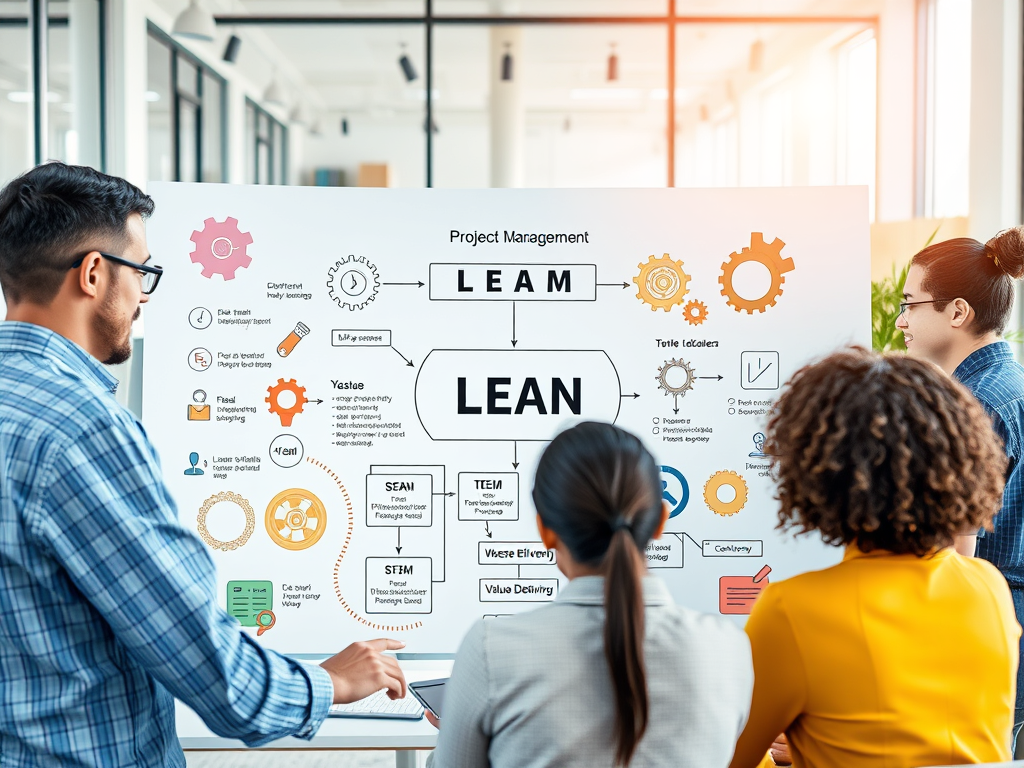
In a dynamic corporate landscape, lean project management provides a structured approach to enhance efficiency by eliminating waste and maximizing value delivery. This article outlines eight essential steps for effectively implementing lean practices in large organizations, emphasizing the importance of stakeholder engagement, continuous improvement, and cultivating a supportive lean culture.