• Top 7 PMI Chapter Networking Strategies to Land Your Next Big Role

    Networking is a cornerstone of professional growth, especially in project management. For those involved in the Project Management Institute (PMI) chapters, leveraging networking opportunities can significantly enhance career prospects. This article explores the top seven strategies for PMI chapter networking to help you land your next big role. By understanding the nuances of community engagement and strategically approaching networking, you can create lasting connections that may propel your career forward.

    Understanding the Importance of PMI Chapter Networking

    Networking within PMI chapters provides a unique platform for project management professionals to connect with like-minded individuals. These gatherings foster an environment where members can share experiences, challenges, and best practices. The connections made through these interactions can lead to job opportunities, mentorships, and invaluable insights into industry trends. In an era where referrals often outweigh traditional job applications, being active in your PMI chapter can be a game-changer.

    Furthermore, PMI chapters often host events featuring industry leaders and expert speakers. Attending these events not only enriches your understanding of project management but also allows you to meet key players in the field. Such interactions can lead to collaborations or mentorship opportunities that might not be available through conventional channels. Ultimately, the relationships you build within your PMI chapter can open doors to new roles and career advancements.

    Additionally, engaging with a diverse group of professionals can expose you to various perspectives and practices in project management. This diversity enhances your adaptability and problem-solving skills, making you a more attractive candidate for potential employers. In the competitive landscape of corporate project management, being well-networked gives you an edge that others may lack.

    Building Genuine Relationships in Your PMI Community

    Building genuine relationships starts with a mindset shift from transactional networking to a more relationship-focused approach. Attend PMI chapter meetings with the intent to connect on a personal level rather than just exchanging business cards. Engage in meaningful conversations, ask questions, and actively listen to others. This approach not only helps you build a rapport but also makes you memorable in the eyes of your peers.

    Moreover, following up after initial meetings can solidify these connections. A simple thank-you email or a message highlighting a common interest can go a long way. By showing that you value the relationship, you’re more likely to turn a casual acquaintance into a trusted connection. Over time, these relationships can evolve into professional opportunities, mentorships, or collaborations that significantly impact your career.

    Lastly, be open to giving back to the community. Offer your expertise by leading workshops, contributing to discussions, or volunteering for committee roles. When you invest your time and skills into the chapter, you not only enhance your visibility but also foster goodwill. This reciprocity builds a solid foundation for long-lasting relationships.

    Leveraging Events for Maximum Networking Opportunities

    PMI chapter events, such as seminars, workshops, and conferences, present a goldmine of networking opportunities. Approach these events with a plan, identifying key individuals or groups you wish to connect with. Research the event schedule and speakers in advance, so you can engage in meaningful conversations about their presentations or areas of expertise. This preparation demonstrates your genuine interest and can make you stand out.

    Additionally, participate actively during these events. Ask questions during Q&A sessions, contribute to discussions, and don’t shy away from introducing yourself to speakers and attendees. Your enthusiasm will not only make you more approachable but can also lead to deeper conversations and connections that extend beyond the event. Remember, networking is often about quality over quantity; a few authentic connections can be more beneficial than a room full of superficial ones.

    To maximize your event attendance, follow up with new contacts afterward. Send personalized messages referencing your conversations and express your desire to stay connected. By nurturing these relationships, you’re more likely to stay on their radar for job opportunities that may arise in the future.

    Utilizing Social Media to Connect with PMI Members

    In today’s digital landscape, social media is a powerful tool for networking. Platforms like LinkedIn offer a unique opportunity to connect with PMI chapter members, industry leaders, and potential employers. Ensure your profile is polished and reflects your professional achievements and aspirations. Join PMI-specific groups on LinkedIn to engage in discussions, share insights, and connect with fellow members. This online presence can enhance your visibility and credibility in the project management community.

    Additionally, consider sharing valuable content related to project management on your social platforms. Whether it’s insights from a recent event you attended, articles you’ve read, or even your own reflections on industry trends, sharing valuable knowledge can position you as a thought leader. This not only attracts like-minded professionals but also encourages engagement and discussions, fostering deeper connections.

    Lastly, don’t underestimate the power of direct messaging. If you come across an interesting individual in your network, don’t hesitate to reach out. A personalized message expressing admiration for their work or asking for advice can open doors to new conversations and opportunities. Just be sure to keep your messages concise and respectful of their time.

    Engaging with PMI Leadership for Career Growth

    Connecting with PMI chapter leadership can significantly accelerate your career growth. These individuals often have extensive networks and insights into job openings or industry trends that are not publicly advertised. Attend leadership meetings or volunteer for projects that allow you to work closely with these leaders. By demonstrating your commitment and skills, you’re more likely to gain their trust and support.

    Moreover, consider asking for informational interviews with chapter leaders. Express your interest in their career path and seek advice on how to navigate your own. This not only helps you gain valuable insights but also solidifies your relationship with influential figures in your community. Often, these leaders appreciate the opportunity to mentor emerging professionals and may even introduce you to others in their network.

    Additionally, stay informed about the initiatives and goals of your PMI chapter. Aligning yourself with their vision and actively participating in relevant projects can showcase your dedication. This visibility can lead to recommendations or endorsements when job opportunities arise, making you a stronger candidate in a competitive job market.

    Sharing Knowledge and Resources with Your Network

    Sharing knowledge and resources is a powerful way to enhance your networking efforts. By positioning yourself as a valuable resource in your PMI chapter, you can attract connections who appreciate your insights. Consider hosting knowledge-sharing sessions or workshops on topics within project management that you’re passionate about. This not only showcases your expertise but also fosters community engagement.

    Furthermore, use platforms like PMI forums or social media groups to share relevant articles, tools, and resources. When you provide value to your network, you’re more likely to build goodwill and trust. This approach can lead to reciprocal sharing, where others also contribute valuable insights to you. Remember, networking is a two-way street, and fostering a culture of resource sharing can benefit everyone involved.

    Moreover, don’t hesitate to recommend others for opportunities or share job openings within your network. This act of kindness can strengthen your relationships and create a supportive environment. As you help others succeed, you may find that they are more inclined to assist you in your career journey as well.

    Following Up: Keeping Connections Alive and Active

    Following up is a crucial step in maintaining your network. After meeting someone new, send a brief email or message thanking them for their time and reiterating your interest in staying connected. This simple gesture shows that you value the relationship and are committed to nurturing it. Establish a routine for following up, such as sending a quarterly message to check in on your connections.

    Additionally, share updates about your professional journey with your network. Whether you’ve landed a new job, completed a certification, or achieved a significant milestone, keeping your connections informed can lead to further interactions. It also gives them the opportunity to celebrate your successes with you, strengthening your bond.

    Finally, consider organizing catch-up meetings with key contacts. Whether it’s a coffee chat or a virtual meeting, these interactions can deepen your relationships and provide opportunities for collaboration. Regularly engaging with your network helps keep you top of mind, making it more likely for them to think of you when opportunities arise.

    Showcasing Your Skills Through PMI Chapter Engagement

    Active engagement in your PMI chapter is an excellent way to showcase your skills and competencies. Volunteer for leadership roles, participate in project teams, or lead initiatives that align with your expertise. By taking on these responsibilities, you not only gain valuable experience but also highlight your capabilities to peers and potential employers.

    Moreover, consider presenting at chapter meetings or conferences. Sharing your knowledge and experiences allows you to demonstrate your expertise while simultaneously building credibility within your community. Engaging as a speaker can lead to increased visibility and can position you as a thought leader in your field.

    Additionally, seek feedback from your peers and leaders in your chapter. Constructive criticism can help you refine your skills and adapt to the demands of your audience. By continuously improving your presentation and leadership abilities, you enhance your marketability, making you a more attractive candidate for future roles.

    Networking within PMI chapters is not merely about exchanging business cards; it is about building relationships, sharing knowledge, and engaging in meaningful interactions. By employing these strategies, you can establish a robust network that not only aids in landing your next big role but also enriches your professional journey. Embrace the opportunities that come your way, and watch your career flourish as you grow alongside your PMI community.

    Meta Description:

    Discover 7 effective PMI chapter networking strategies to enhance your career opportunities and land your next big role.

    Tags:

    PMI, Networking, Project Management, Career Growth, Professional Development, Community Engagement, Leadership, Social Media, Events, Knowledge Sharing

    Hashtags:

    PMI #Networking #CareerGrowth #ProjectManagement #Leadership

    External Source:

    Learn more about building effective professional networks through the PMI’s official guidelines at https://www.pmi.org/learning/library/building-professional-network-10003.

  • Top 7 Non-Negotiable Skills Every Modern Project Manager Must Master to Survive

    Modern project management is an intricate dance of skills, talents, and tools. In a world where the only constant is change, project managers are expected to wear many hats, ensuring projects are completed on time, within scope, and on budget. The modern project manager must navigate complex environments and relationships, leveraging effective communication, time management, and technology to achieve success. Below, we’ll explore the top seven non-negotiable skills every project manager must master to not only survive but thrive in today’s dynamic landscape.

    Understanding the Role of a Modern Project Manager Today

    The role of a project manager has evolved significantly over the past decade, shifting from mere execution to strategic leadership. Modern project managers are seen as key players in aligning project goals with broader organizational objectives. This means they must possess a keen understanding of their company’s mission, vision, and values, as well as the ability to articulate these to their teams. They must also engage with various stakeholders, ensuring everyone is on the same page while navigating corporate politics and priorities.

    In addition to strategic alignment, modern project managers must also be adept at managing resources efficiently. This involves not only human resources but also budgeting, scheduling, and risk management. The demand for project managers who can seamlessly integrate various elements of a project into a cohesive whole is more significant than ever. Organizations are looking for individuals who not only understand the technical aspects of project management but also the interpersonal dynamics that come into play.

    Furthermore, with the rapid advancements in technology, modern project managers are required to stay updated on the latest tools and methodologies. This includes agile frameworks, digital collaboration platforms, and data-driven decision-making. The ability to leverage these technologies effectively can mean the difference between project success and failure, making it imperative for project managers to continuously develop and refine their skills.

    Essential Communication Skills for Project Success

    Communication is the lifeblood of project management. Effective communication ensures that all stakeholders are informed, aligned, and engaged throughout the project lifecycle. Modern project managers must master the art of both verbal and written communication, tailoring their messages to different audiences, whether they are team members, executives, or external stakeholders. Clear and concise communication reduces misunderstandings and fosters collaboration, which is crucial in a fast-paced environment.

    Additionally, active listening is an underappreciated component of communication that project managers must develop. By genuinely listening to team members and stakeholders, project managers can identify concerns, gather valuable feedback, and pivot strategies as needed. This two-way communication fosters trust and encourages team members to share their ideas and challenges, leading to more innovative and effective solutions.

    Lastly, the use of visual communication tools, such as dashboards and project timelines, can significantly enhance understanding and engagement. By presenting information in a visually appealing manner, project managers can convey complex data simply and effectively. This not only aids in decision-making but also keeps everyone informed about project status, milestones, and responsibilities.

    Mastering Time Management in a Fast-Paced Environment

    Time management is a critical skill for any project manager, especially in environments where deadlines are tight and resources are limited. The ability to prioritize tasks, delegate responsibilities, and organize workflows is essential for maintaining momentum and ensuring project success. Effective time management also helps in minimizing stress, as project managers can keep their teams focused and motivated.

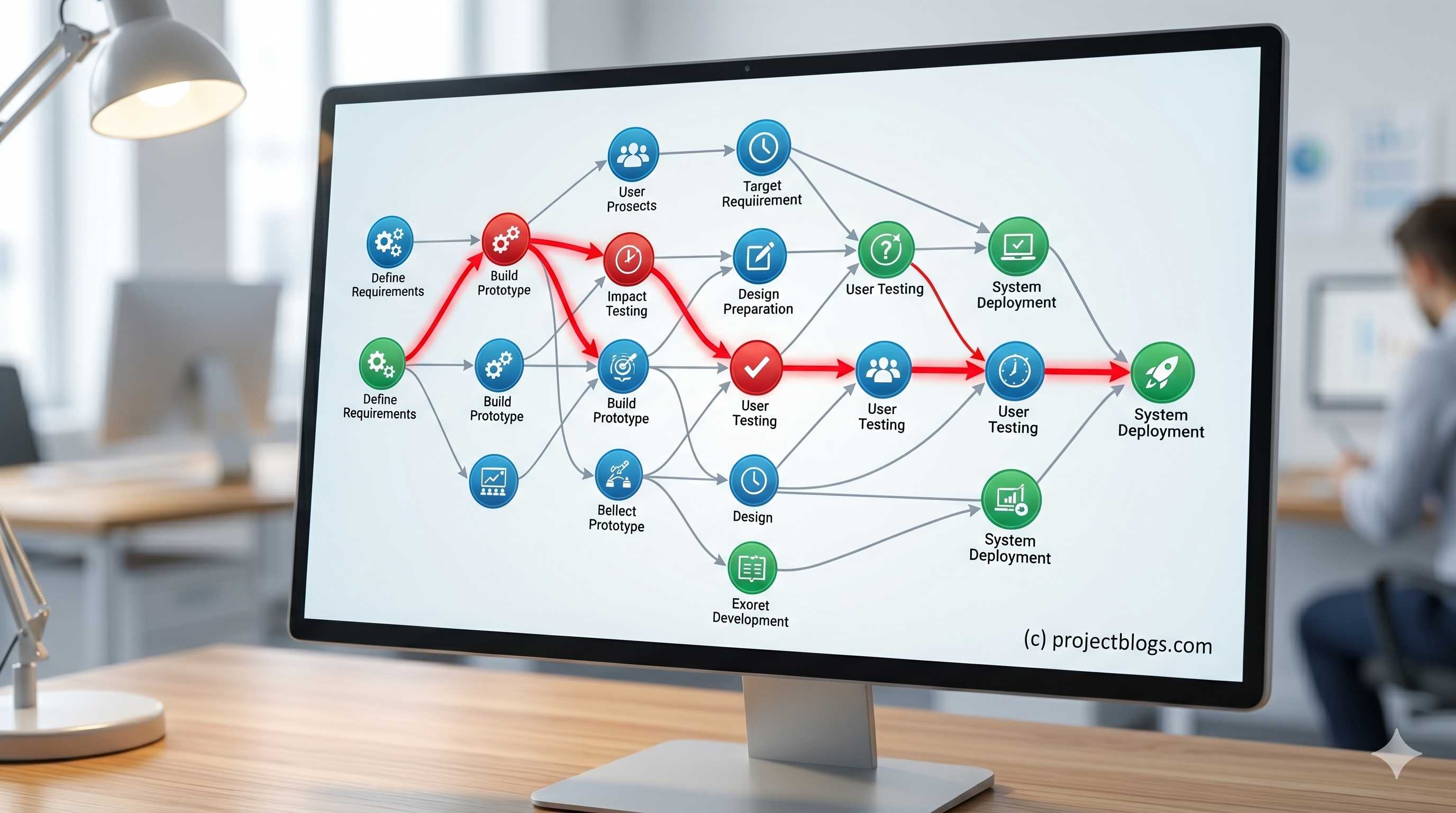
    One strategy for mastering time management is the use of project planning tools that allow for real-time updates and tracking. Tools like Gantt charts or Kanban boards can help project managers visualize timelines, deadlines, and resource allocations. By incorporating these tools into their workflow, project managers can identify bottlenecks and make proactive adjustments to the project plan.

    Moreover, time-blocking techniques can be beneficial for project managers juggling multiple tasks. By allocating specific time slots for different activities, project managers can maintain focus and ensure that critical tasks receive the attention they deserve. This not only enhances productivity but also creates a structured environment that can lead to better team performance and morale.

    Navigating Conflict Resolution Like a Pro

    Conflict is an inevitable part of any project, given the diverse personalities, perspectives, and interests involved. How a project manager navigates these conflicts can significantly impact team dynamics and project outcomes. Developing conflict resolution skills is, therefore, a non-negotiable requirement for modern project managers. This involves recognizing conflicts early, understanding their root causes, and employing appropriate strategies to address them.

    One effective conflict resolution technique is fostering an open dialogue among team members. Encouraging individuals to voice their concerns in a safe environment can lead to constructive discussions that resolve issues before they escalate. Project managers should act as mediators, guiding the conversation and ensuring that all voices are heard while maintaining focus on the project goals.

    Moreover, understanding different conflict resolution styles can empower project managers to choose the most effective approach for each situation. Whether it’s collaborating, compromising, or accommodating, being adaptable in conflict resolution can lead to more harmonious team relationships and a more successful project overall.

    The Importance of Leadership in Project Management

    Leadership is a cornerstone of effective project management. Modern project managers must inspire their teams, set clear visions, and cultivate a culture of accountability and collaboration. Effective leadership also involves recognizing and fostering individual strengths and weaknesses, ensuring that team members feel valued and empowered to contribute their best efforts.

    A project manager who embodies strong leadership skills is more likely to create an environment where team members are motivated and engaged. This can involve regular one-on-one meetings to discuss progress, address challenges, and provide constructive feedback. By investing in their team’s development, project managers can build stronger relationships and improve overall project performance.

    Furthermore, emotional intelligence is a key aspect of leadership that project managers must develop. Understanding and managing one’s emotions, as well as empathizing with others, can lead to more effective teamwork and collaboration. By demonstrating empathy and understanding, project managers can build trust and rapport, which can significantly enhance team dynamics and project outcomes.

    Embracing Adaptability in Changing Landscapes

    In today’s fast-paced business environment, adaptability is crucial for any project manager. Projects often face unexpected challenges, whether due to shifts in organizational priorities, changes in team dynamics, or external factors like market fluctuations. The ability to pivot and adjust plans in response to these changes can set successful project managers apart from the rest.

    Embracing a growth mindset is essential for developing adaptability. Project managers should view challenges as opportunities for learning and improvement rather than obstacles. This perspective not only fosters resilience but also encourages teams to innovate and explore creative solutions when faced with setbacks.

    Moreover, cultivating a culture of adaptability within the team can lead to improved project agility. By encouraging team members to be flexible and open to change, project managers can enhance overall responsiveness, ensuring that the project remains on track even in the face of changing circumstances. This iterative approach allows for continuous improvement and fosters a proactive mindset among team members.

    Utilizing Technology for Effective Project Tracking

    Technology plays an indispensable role in modern project management. Project management software and tools provide project managers with the ability to track progress, manage resources, and communicate with team members in real-time. Familiarity with these technologies is essential for modern project managers, as it can significantly enhance efficiency and transparency across the project lifecycle.

    Project management tools, such as Asana, Trello, or Microsoft Project, enable real-time updates and facilitate collaboration among team members. By leveraging these platforms, project managers can create clear timelines, assign tasks, and monitor progress, ensuring everyone is aligned and aware of their responsibilities. This not only streamlines workflows but also reduces the chances of miscommunication and project delays.

    Additionally, data analytics can be utilized to monitor project performance and identify trends. By analyzing key performance indicators (KPIs), project managers can make informed decisions and take proactive measures to address potential issues before they escalate. Embracing technology in project tracking not only enhances accountability but also equips project managers with the insights needed to drive project success.

    Cultivating Stakeholder Relationships for Project Triumph

    Building and maintaining strong stakeholder relationships is crucial for successful project management. Stakeholders, whether internal or external, can significantly influence project outcomes, making it essential for project managers to engage with them effectively. Cultivating these relationships involves understanding their needs, expectations, and concerns, and ensuring that they feel involved throughout the project process.

    Regular communication is a cornerstone of stakeholder engagement. Project managers should provide updates on project progress, solicit feedback, and address concerns promptly. This level of transparency fosters trust and keeps stakeholders invested in the project’s success. Utilizing tools such as stakeholder mapping can also help project managers identify key stakeholders and develop tailored communication strategies.

    Moreover, involving stakeholders in decision-making processes can lead to better project alignment and support. By soliciting their input and acknowledging their expertise, project managers can create a collaborative environment that enhances buy-in and facilitates smoother project execution. Strong stakeholder relationships can lead to increased resource allocation, support, and ultimately, project success.

    In conclusion, mastering these seven non-negotiable skills is essential for modern project managers aiming to navigate the complexities of today’s business environment. From effective communication and time management to conflict resolution and leadership, these skills not only enhance project success but also contribute to overall organizational effectiveness. By continuously developing these competencies, project managers can thrive in their roles, foster stronger teams, and drive impactful results within their organizations.


    Meta Description: Discover the top seven essential skills every modern project manager must master to thrive in today’s dynamic business environment.

    Tags: project management, leadership, communication, time management, conflict resolution, adaptability, technology, stakeholder engagement, project tracking, skills development

    Hashtags: #ProjectManagement #Leadership #TimeManagement #ConflictResolution #StakeholderEngagement

    External Source: For more insights on project management, check out Project Management Institute for valuable resources and industry standards.

  • Top 7 PMP Study Groups and Communities for Global Collaboration

    As project management continues to evolve into an essential skill in the corporate world, obtaining your Project Management Professional (PMP) certification can significantly enhance your career prospects. However, the journey to certification can be complex and overwhelming. One effective way to navigate this journey is by joining study groups and communities that foster global collaboration. These groups provide support, resources, and networking opportunities that can help you succeed in your PMP studies. In this article, we will explore the top seven PMP study groups and communities worldwide, highlighting the benefits of joining these networks and offering practical tips for maximizing your experience.

    Exploring Global Study Groups for PMP Success

    In today’s interconnected world, the importance of collaboration cannot be overstated, especially in fields like project management. PMP study groups enable professionals from various backgrounds and locations to connect and share knowledge. These groups can range from virtual online forums to local meetups, offering flexibility in how individuals choose to engage. By being a part of these communities, you gain access to a wealth of collective knowledge and resources, all focused on achieving the same goal—passing the PMP exam.

    Joining a study group allows you to tap into diverse perspectives and methodologies that different members bring to the table. For instance, someone with years of experience in Agile project management can share insights that may not be covered in traditional study materials. This diversity not only enriches your understanding but also prepares you for the multifaceted challenges you’ll encounter in your project management career. Moreover, studying with others can keep you accountable, motivating you to stick to your study schedule and prepare thoroughly for the exam.

    Global study groups also foster cultural exchange, allowing you to learn from project management practices in different regions. This can be particularly beneficial in multinational organizations where understanding various cultural approaches to project management is critical. As you engage with members from around the world, you will gain insights that will enhance your skills and awareness, making you a more effective project manager in any global context.

    Benefits of Joining PMP Study Communities

    The benefits of joining PMP study communities extend far beyond just preparing for the exam. These groups create a supportive environment where members can ask questions, seek advice, and share study resources. This collaborative atmosphere significantly reduces the sense of isolation that many candidates feel during their preparation. Additionally, being part of a community can help you stay motivated, especially when challenges arise.

    Moreover, study communities often provide access to valuable resources, including practice exams, study guides, and even workshops. Many groups are run by experienced project managers who have successfully navigated the PMP exam process themselves. Their insights and tips can be invaluable as they often share strategies that worked for them, while also providing guidance on common pitfalls to avoid.

    Networking is another significant advantage of being part of a PMP study group. These communities often consist of individuals from various industries, providing a unique opportunity to expand your professional network. Building relationships with fellow project managers can lead to new job opportunities, mentorship, and collaborations, enriching your career long after you’ve earned your certification.

    Top Online Platforms for PMP Collaboration

    Several online platforms have emerged as leaders in facilitating PMP study group interactions. Facebook Groups, for instance, hosts numerous PMP-focused communities where members share resources, answer queries, and offer encouragement. These groups are particularly accessible and allow for real-time discussions, making them a great choice for candidates seeking immediate support.

    LinkedIn is another robust platform for professional networking and collaboration. You can find dedicated PMP study groups, engage with industry experts, and participate in discussions that relate to project management practices. Participating in these groups not only aids in your exam preparation but also helps you build connections that are valuable in your career.

    Lastly, dedicated project management forums like PMTalk and ProjectManagement.com provide tailored resources and discussion boards. Here, you can dive deep into specific areas of project management, learn from experienced professionals, and even participate in webinars and virtual events that can further enhance your understanding.

    Local and Global PMP Study Groups to Consider

    While online platforms offer convenience, local study groups also provide a unique opportunity for face-to-face interaction. Many cities have local PMI chapters that host study groups, networking events, and workshops. These gatherings allow for in-depth discussions and foster relationships that can lead to long-term professional connections. Engaging in local communities can also help you immerse yourself in your local project management culture, providing insights specific to your region’s industry.

    Additionally, international organizations often host global webinars and online study sessions that can be attended from anywhere. These events typically feature expert speakers and provide insights into best practices around the globe. Participating in such sessions can broaden your understanding of global project management trends and methodologies, which is invaluable for career advancement.

    When considering local and global groups, it’s essential to assess the structure and focus of each group. Some may specialize in specific industries, while others offer a more general approach. Finding a group that aligns with your professional goals can enhance the overall quality of your study experience and help you achieve your certification more effectively.

    Engaging with PMP Professionals Worldwide

    Engagement with PMP professionals around the globe can significantly enrich your learning experience. Many study groups host expert-led sessions where you can interact with seasoned project managers. These professionals often share real-life scenarios and experiences that provide context to theoretical concepts, making them easier to understand and remember.

    Furthermore, many of these global communities conduct discussions on contemporary project management challenges faced by professionals in different regions. By participating in these conversations, you can gain insights into how various industries address project risks, stakeholder management, and communication challenges. This knowledge can be invaluable, not only for passing the exam but also for real-world application in your career.

    Participating in global discussions can also expose you to various project management tools and technologies that are trending in different countries. Understanding these tools can give you an edge in your career and prepare you for any international projects you may encounter.

    Networking Opportunities in PMP Communities

    Networking opportunities within PMP communities are not just beneficial for finding study partners; they can lead to job opportunities and career advancement. Many professionals find their next job through connections made in these communities. Engaging with fellow members can open doors to mentorship and collaboration, leading to growth opportunities in your project management journey.

    Networking is about building relationships. Take the time to connect with your peers, share insights, and offer support whenever possible. Building a reputation as a reliable and knowledgeable colleague can enhance your professional image and lead to referrals. Attend networking events and webinars organized by your study group, as these gatherings often include industry leaders who might be looking for talent like yours.

    Additionally, don’t shy away from utilizing platforms such as LinkedIn to maintain connections with fellow study group members. Regularly engage with their posts, share your insights, and keep the conversation going. By actively participating in discussions, you position yourself as an engaged professional who is committed to furthering the field of project management.

    Tips for Maximizing Your Study Group Experience

    To make the most of your study group experience, it’s crucial to establish clear goals from the outset. Before joining a group, reflect on what you hope to achieve—whether it’s understanding specific concepts, gaining exam strategies, or simply boosting motivation. Communicating these goals to your study group can help align everyone’s efforts, ensuring a more productive experience.

    Regular communication is key to maximizing your experience. Establish a consistent schedule for meetings, whether they’re weekly or bi-weekly. Create an agenda for each session, focusing on particular topics or practice questions. This structured approach helps you cover more material efficiently and allows for deeper discussions on challenging concepts.

    Lastly, leverage technology to enhance your study sessions. Utilize tools like Zoom for virtual meetings, Trello for task management, and Slack for ongoing discussions. These platforms can streamline your collaboration and make it easier to share resources and feedback. By embracing technology, you create a more engaging and efficient study environment.

    Resources for Ongoing PMP Learning and Support

    After completing your PMP certification, continuous learning is essential. Many study groups continue to offer resources and support for their members even after they pass the exam. This ongoing engagement can include access to webinars, additional study materials, and discussions on new trends in project management, ensuring that your learning continues well into your professional career.

    Additionally, numerous online resources are available for ongoing education. Websites like Coursera, Udemy, and PMI’s own Learning platform offer courses that delve deeper into specialized areas of project management. Engaging with these resources can provide you with the latest insights and methodologies, keeping you competitive in the ever-evolving project management landscape.

    Furthermore, consider attending industry conferences and workshops where you can connect with thought leaders and learn about cutting-edge practices. These events are great for networking and gaining new perspectives that can enhance your work. Continuous learning not only enriches your knowledge but also positions you as a thought leader in your field.

    Joining a PMP study group or community can be a transformative experience in your journey towards certification and beyond. These groups provide diverse perspectives, resources, and networking opportunities that can significantly enhance your project management skills. Whether you choose to engage in local meetups or online platforms, the key is to actively participate, share knowledge, and build relationships. By leveraging the collective wisdom of your peers, you can pave a successful path to becoming a certified PMP and a more effective project manager.

    Meta Description: Discover the top 7 PMP study groups and communities for global collaboration, enhancing your project management journey and networking opportunities.

    Tags: PMP certification, study groups, project management, networking, global collaboration, professional development, online learning, career advancement, industry insights, community support

    Hashtags: #PMP #ProjectManagement #StudyGroups #Networking #ProfessionalDevelopment

    External Source: For more insights on project management, visit the Project Management Institute at https://www.pmi.org.

  • Top 8 PMO Onboarding Steps to Set Your New Project Leads Up for Success

    Effective onboarding for new project leads is crucial to the success of any Project Management Office (PMO). An organized onboarding process not only equips leaders with the necessary tools and knowledge but also sets the tone for their future contributions. In this article, we will explore the top eight onboarding steps to ensure your new project leads flourish in their roles and drive impactful projects within your organization.

    Understanding the Importance of Effective PMO Onboarding

    A well-structured onboarding process can dramatically influence a project lead’s initial experience and long-term performance. In a corporate environment, the PMO serves as a strategic hub guiding project management practices, and ineffective onboarding can lead to confusion, misalignment, and ultimately, project failures. Prioritizing effective onboarding helps ensure that project leads understand the PMO’s vision and how their roles contribute to achieving organizational objectives.

    Moreover, effective onboarding fosters a sense of belonging and engagement. New project leads who feel welcomed and adequately trained are more likely to become proactive team members and contributors. They will be more invested in achieving project goals, leading to heightened morale and productivity across the team. This initial investment in onboarding can significantly reduce turnover rates, saving costs associated with recruitment and training.

    Lastly, effective onboarding creates a solid foundation for project leads to develop their skills and grow within the organization. It introduces them to best practices, methodologies, and tools that are essential for project management success. By understanding their roles within the PMO from the start, new project leads can take the initiative to seek continuous improvement and innovation in their projects.

    Defining Roles and Responsibilities for New Project Leads

    Clearly defining roles and responsibilities is fundamental in the onboarding process. New project leads need to understand not only their specific duties but also how their roles interact with other functions within the PMO and the broader organization. This clarity helps prevent overlaps and gaps in responsibilities that can lead to inefficiencies or misunderstandings down the line.

    One effective way to communicate these roles is through a detailed role description document or a mapping chart that outlines specific responsibilities and expectations. This could include project initiation, resource allocation, stakeholder engagement, and performance tracking, providing new leads with a clear roadmap of their responsibilities. By doing so, you set them up for accountability, which is essential for successful project delivery.

    Additionally, it is essential to tailor these role definitions to the unique needs of your organization. Every PMO has its structure, methodologies, and project types. Understanding these nuances and incorporating them into the onboarding process ensures that new project leads are not only aware of their roles but are also equipped to navigate the organizational landscape effectively.

    Crafting a Comprehensive Onboarding Plan for Success

    A comprehensive onboarding plan serves as a blueprint for new project leads as they navigate their initial weeks and months in the organization. This plan should include various components such as orientation sessions, training modules, and mentorship opportunities. A structured approach to onboarding helps streamline the process and ensures that nothing essential is overlooked.

    One crucial aspect of a successful onboarding plan is to include timelines with specific milestones. For instance, new project leads may have different training sessions scheduled at critical points in their onboarding journey, such as week one for orientation, week three for advanced methodologies, and month two for tools training. This structured timeline helps keep both the new lead and their managers accountable.

    Moreover, incorporating feedback mechanisms into the onboarding plan is equally essential. This allows for adjustments to be made if certain aspects of the onboarding process are not resonating with new project leads. Regular check-ins can facilitate discussions about challenges faced and areas for improvement, ensuring that the onboarding experience is continuously evolving and responsive to the needs of the leads.

    Introducing Key Stakeholders and Team Dynamics

    An integral part of onboarding new project leads is introducing them to key stakeholders and peers. Building relationships from the outset is crucial, as project management is often collaborative. New leads should understand who the stakeholders are, their roles within the organization, and the dynamics of team interactions. Providing introductions, along with a brief overview of each stakeholder’s key contributions, allows new project leads to establish connections that will be beneficial throughout the project lifecycle.

    Moreover, it’s helpful to outline team dynamics and communication styles within the PMO. This can include how often team meetings occur, preferred modes of communication (whether email, instant messaging, or face-to-face), and existing team rituals or traditions. Understanding these elements helps new project leads integrate seamlessly into the team culture while establishing their presence and influence.

    In addition, consider using team-building activities as part of the onboarding experience. These activities can foster camaraderie among team members and help break down any initial barriers new project leads may face. Engaging with the team in an informal setting encourages open communication and builds trust among team members, leading to better collaboration once the projects kick off.

    Providing Essential Tools and Resources for New Leads

    Equipping new project leads with the right tools and resources is vital for empowering them to perform their roles effectively. This includes providing access to project management software, communication platforms, and reporting tools. Familiarizing new project leads with these resources during onboarding ensures they are prepared to manage their projects efficiently.

    Additionally, offering comprehensive training on these tools can greatly enhance their confidence and capability in using them. Consider creating training sessions that allow new leads to practice using the tools in real scenarios. This hands-on experience can help to reinforce their learning and ensure they feel comfortable using the tools when they start managing their projects.

    Beyond software, providing access to organizational templates, best practices, and case studies can also be beneficial. These resources can serve as a guide, offering insights into successful project management strategies and methodologies. By making these available during onboarding, you equip new project leads with the knowledge they need to avoid common pitfalls and implement successful project approaches.

    Establishing Clear Communication Channels and Protocols

    Clear communication is the backbone of project management. Establishing effective communication channels and protocols during onboarding ensures that new project leads know how to engage with their teams, stakeholders, and other departments. This includes outlining preferred communication tools, reporting structures, and escalation paths for issues that may arise during projects.

    It’s also critical to define how often and in what format updates will be expected. New project leads should understand the frequency of project status meetings, reporting templates, and any regular updates they need to provide to stakeholders. By setting clear expectations for communication, you help to streamline collaboration and minimize misunderstandings.

    Furthermore, encouraging an open-door policy can foster a culture of transparent communication within your PMO. New project leads should feel comfortable reaching out to their supervisors or team members for guidance, feedback, or support. This open approach creates a safe environment where discussions can lead to innovative solutions, ultimately benefiting the project outcomes.

    Setting Measurable Goals and Performance Expectations

    Setting measurable goals is crucial in ensuring that new project leads understand what success looks like in their roles. These goals should be aligned with both the organization’s strategic objectives and the PMO’s operational standards. By establishing clear performance expectations, you provide new leads with a framework for assessing their progress and identifying areas for improvement.

    Consider introducing a performance dashboard that outlines key performance indicators (KPIs) relevant to the new leads’ roles. This can include metrics such as project timelines, budget adherence, stakeholder satisfaction, and team performance. By regularly reviewing these KPIs, new project leads can take accountability for their performance while also identifying opportunities for growth.

    It’s also beneficial to celebrate milestones and achievements, whether they are small or significant. Recognizing accomplishments not only motivates new project leads but also reinforces the importance of meeting performance expectations. By fostering a culture of acknowledgment, you can enhance engagement and drive results within your PMO.

    Encouraging Continuous Feedback and Support for Growth

    Continuous feedback is a powerful tool for growth and development. As part of the onboarding process, establishing a feedback mechanism allows new project leads to receive constructive input on their performance. Regular performance reviews, one-on-one meetings, and mentoring opportunities can facilitate open discussions about strengths, weaknesses, and areas for improvement.

    Encouraging new project leads to seek feedback from their peers and stakeholders can also create a well-rounded perspective on their performance. This proactive approach to feedback helps them understand how they are perceived within the team and the organization, providing valuable insights that can drive personal and professional development.

    Finally, offering ongoing support through professional development opportunities can greatly enhance a new lead’s capabilities. Encourage participation in relevant training programs, certifications, and industry conferences. This investment in their growth not only benefits the new leads but also strengthens the PMO by developing competent leaders who can adapt to changing project landscapes.

    Implementing these eight onboarding steps will significantly enhance the experience of new project leads in your PMO. By prioritizing effective onboarding, clarifying roles, providing essential tools, and fostering an environment of continuous feedback, you’re setting the stage for success—not just for the new leads, but for the entire organization. Investing in a comprehensive onboarding process has long-lasting benefits that can drive project success and elevate the overall performance of your PMO.

    Meta Description: Discover the top 8 PMO onboarding steps to set your new project leads up for success, ensuring effective integration and performance.

    Tags: PMO, project management, onboarding, project leads, corporate strategy, team dynamics, stakeholder engagement, performance management, leadership development, communication

    Hashtags: #PMO #Onboarding #ProjectManagement #Leadership #TeamSuccess

    External Source for CTA: For more insights on effective onboarding strategies, visit Harvard Business Review.

  • Top 7 Transformation Success Stories from the 2026 Digital Revolution

    The dawn of the digital revolution in 2026 is not just marked by advancements in technology; it has also led to transformative success stories across various industries. Companies are harnessing digital tools and innovative approaches to not only improve their operations but also to redefine their engagement with customers, the environment, and their employees. In this article, we will explore seven remarkable transformation success stories that have emerged out of the 2026 digital revolution, showcasing how forward-thinking organizations have embraced change to achieve significant results.

    Transformative Innovations: A Glimpse into 2026’s Successes

    As we navigate the landscape of 2026, the digital revolution has brought forth transformative innovations that challenge traditional business paradigms. Organizations that have embraced this change are thriving, reaping the benefits of improved efficiency, customer satisfaction, and market leadership. The key to their success lies in a proactive approach to digital technologies, integrating artificial intelligence, data analytics, and sustainable practices into their core business strategies.

    The companies featured in this article exemplify how embracing transformation can lead to remarkable outcomes. From AI-driven customer engagement strategies to sustainable practices that yield unprecedented profits, these organizations are not just surviving; they are thriving in an increasingly competitive market. The stories of these seven companies serve as inspiration for organizations seeking to leverage digital advancements strategically, fostering a culture of innovation and adaptability.

    In this era of rapid technological evolution, the importance of agility and foresight cannot be overstated. Companies must not only react to changes but also anticipate and shape them. By studying these success stories, other organizations can glean insights into the best practices and strategies that have led to these transformative outcomes. Let’s dive into the individual success stories that showcase the diverse ways companies have harnessed the digital revolution to achieve remarkable transformations.

    Company A: Revolutionizing Customer Engagement with AI

    Company A, a leading player in the retail sector, took a bold step by implementing AI-driven customer engagement solutions. By integrating machine learning algorithms into their customer relationship management systems, they offered personalized shopping experiences tailored to individual preferences. This approach not only enhanced customer satisfaction but also significantly boosted sales figures.

    Before adopting these AI technologies, Company A faced challenges in understanding customer behaviors and preferences effectively. The traditional methods were slow, inefficient, and often led to miscommunication. By analyzing vast amounts of data, the AI systems could predict trends in customer preferences, leading to targeted marketing campaigns that resonated with their audience. The result was a 30% increase in customer retention and a 25% boost in sales within the first year of implementation.

    Moreover, the AI solutions enabled Company A to streamline its operations by automating routine tasks, allowing employees to focus on more strategic initiatives. This shift not only contributed to a more productive workforce but also fostered a culture of innovation within the organization. Employees were encouraged to leverage AI insights to drive new ideas, further enhancing the company’s competitive edge.

    Company B: Sustainable Practices Yielding Remarkable Profits

    Company B, a well-known manufacturing giant, turned its focus toward sustainable practices, embracing eco-friendly technologies to drive its operations. By implementing renewable energy sources and optimizing waste management, the company achieved remarkable profit gains while simultaneously reducing its carbon footprint. This transformation underscored the growing importance of sustainability in the modern business landscape and demonstrated that eco-conscious practices can be economically beneficial.

    Initially, Company B faced skepticism regarding the feasibility of integrating sustainability into its business model. However, after conducting a thorough analysis, the leadership team recognized that customers were increasingly prioritizing environmentally friendly products. By investing in green technologies, the company not only reduced operational costs but also attracted a new segment of environmentally conscious consumers, resulting in a 40% increase in sales.

    Furthermore, Company B’s commitment to sustainability led to enhanced brand loyalty. Customers appreciated the company’s efforts to minimize its environmental impact, creating a strong emotional connection between the brand and its audience. As a result, Company B has positioned itself as a leader in sustainable manufacturing, setting a benchmark for competitors while proving that profitability and environmental responsibility can go hand in hand.

    Company C: Digital Twins Transforming Manufacturing Processes

    In the realm of advanced manufacturing, Company C pioneered the use of digital twin technology to revolutionize its production processes. By creating virtual replicas of physical assets, the company could simulate various operational scenarios, enabling them to optimize production efficiency and reduce downtime. This innovation has allowed Company C to stay ahead of the competition by ensuring that its manufacturing processes are agile and responsive.

    Before implementing digital twin technology, Company C struggled with inefficiencies and high operational costs due to unplanned equipment failures. The introduction of digital twins facilitated real-time monitoring and predictive maintenance, allowing the company to address potential issues before they escalated. As a result, they achieved a staggering 50% reduction in equipment downtime, translating to significant cost savings.

    Additionally, digital twins provided valuable insights into production workflows, enabling the company to refine its processes continuously. By analyzing data from simulations, Company C could test new strategies without disrupting actual operations, leading to a culture of continuous improvement. This transformation not only enhanced the company’s productivity but also positioned it as an innovator in the manufacturing sector.

    Company D: Data Analytics Driving Strategic Decision Making

    Company D, a prominent player in the finance industry, has harnessed the power of data analytics to revolutionize its decision-making processes. By integrating advanced analytics tools into their operations, the company has gained valuable insights from vast amounts of data, allowing for more informed strategic choices. This data-driven approach has not only improved operational efficiency but also enhanced customer service.

    Prior to adopting these analytics solutions, Company D faced challenges in effectively understanding market trends and customer needs. With the implementation of predictive analytics, the company could forecast market movements and make proactive decisions. This shift resulted in a 20% increase in investment returns, showcasing the tangible benefits of data-driven decision-making.

    Moreover, the use of data analytics has empowered employees across various departments to contribute to strategic planning. By fostering a culture of data literacy, Company D has enabled its workforce to leverage insights for innovation and growth. This collaborative approach has not only improved internal processes but has also positioned the company as a thought leader in the finance sector.

    Company E: Enhancing Workforce Productivity through Tech

    As the digital revolution progressed, Company E recognized the importance of enhancing workforce productivity through technology. By implementing collaborative tools and platforms, the organization transformed how employees interacted and collaborated on projects. This shift has led to more streamlined workflows and a culture of innovation that drives results.

    Before this transformation, Company E faced communication challenges that hindered collaboration across teams. By adopting cloud-based collaboration tools, employees could easily share information and work together in real-time, regardless of their physical location. This flexibility boosted employee morale and engagement, resulting in a 35% increase in project completion rates.

    Furthermore, the integration of technology empowered employees to take ownership of their work. With access to data and tools that facilitated collaboration, team members felt more invested in their projects, leading to higher job satisfaction and retention rates. Company E’s commitment to enhancing workforce productivity has not only improved operational efficiency but also cultivated a positive company culture that attracts top talent.

    Company F: Personalized Marketing Strategies that Work

    In the competitive landscape of e-commerce, Company F has successfully implemented personalized marketing strategies that resonate with customers on an individual level. By utilizing advanced algorithms and customer data, the company has crafted tailored marketing campaigns that speak directly to consumer preferences. This approach has not only increased engagement but has also driven significant revenue growth.

    Initially, Company F struggled with generic marketing efforts that failed to capture customer attention. By leveraging data analytics and AI, the company could segment its audience and deliver personalized content that aligned with individual preferences. This strategic shift led to a 45% increase in conversion rates, demonstrating the effectiveness of targeted marketing.

    Moreover, Company F’s personalized marketing strategies fostered stronger customer relationships. By making consumers feel understood and valued, the company cultivated brand loyalty that translated into repeat business. This transformation showcased the importance of understanding customer needs and preferences, positioning Company F as a leader in personalized marketing within the e-commerce sector.

    Lessons Learned: Key Takeaways from These Transformations

    The success stories of these seven companies illustrate several key takeaways for organizations looking to embrace transformation in the digital age. First and foremost, the importance of data cannot be overstated. Companies that effectively leverage data analytics gain insights that drive informed decision-making and enhance operational efficiency. This focus on data-driven strategies is crucial for staying ahead of the competition.

    Another critical lesson is the value of customer-centric approaches. By understanding customer preferences and behaviors, organizations can tailor their offerings to meet specific needs, resulting in increased satisfaction and loyalty. Embracing technology that facilitates personalized engagement is essential for fostering strong relationships with consumers.

    Lastly, fostering a culture of innovation and adaptability is vital for organizations navigating the digital landscape. Companies that encourage experimentation and continuous improvement are better equipped to respond to changing market dynamics. By learning from the successes of others, organizations can position themselves for sustained growth and transformation in the ever-evolving digital landscape.

    The transformation success stories from the 2026 digital revolution serve as powerful examples of how organizations can embrace change and leverage technology to achieve remarkable results. By adopting data-driven strategies, fostering customer-centric approaches, and cultivating innovation, companies are not only thriving in their respective industries but also setting the stage for future growth. As other organizations look to navigate their own transformations, these stories offer valuable insights and inspiration for what is possible in the era of digital revolution.

    Meta description: Explore the top 7 transformation success stories from the 2026 digital revolution, showcasing how companies achieved remarkable results through innovative strategies.

    Tags: Digital Revolution, Success Stories, AI, Sustainable Practices, Data Analytics, Customer Engagement, Workforce Productivity, Marketing Strategies, Transformation, Innovation

    Hashtags: #DigitalRevolution #Transformation #SuccessStories #Innovation #AI

    External Source: For more insights on digital transformation, visit McKinsey & Company

  • Top 7 Agile Coaching Techniques for Resistant Project Teams

    Agile methodologies have transformed the way organizations approach project management. However, not all teams embrace these changes readily. Resistance can stem from various sources, including unfamiliarity, fear of change, or even past experiences. In this article, we will explore seven effective coaching techniques to help overcome resistance within project teams, ensuring a smoother transition to Agile practices. By leveraging these strategies, organizations can empower teams to adapt, trust, and thrive in an Agile environment.

    Understanding Resistance in Project Teams: A Key Challenge

    Resistance is a natural human response to change, particularly in the realm of project management. When teams are accustomed to traditional methodologies, the introduction of Agile practices can feel daunting. Understanding this resistance is the first step in addressing it. Identifying the reasons behind the reluctance can provide invaluable insights. For instance, team members may fear losing control over their work processes or worry about adapting to new technologies and tools. Recognizing these fears allows coaches to tailor their approaches and alleviate concerns.

    Moreover, it’s essential to differentiate between healthy skepticism and outright resistance. While skepticism can foster critical thinking and constructive dialogue, resistance often leads to avoidance and disengagement. As Agile coaches, it’s crucial to foster an environment where skepticism is encouraged, transforming it into a driving force for improvement. Engaging team members in discussions about their concerns can help demystify Agile practices and create a shared understanding of the benefits.

    Lastly, addressing organizational culture is key to mitigating resistance. In many cases, the overall structure and dynamics of an organization can promote or hinder Agile adoption. Understanding the existing culture and how it impacts team members’ perceptions of Agile is crucial. Agile coaches should assess the broader context, identifying potential cultural barriers and working collaboratively with leadership to create a culture of openness and adaptability.

    Building Trust: The Foundation of Agile Coaching

    Trust is the cornerstone of any successful coaching relationship, particularly in Agile environments. Without trust, team members are unlikely to embrace new ideas or share their concerns. To build this trust, Agile coaches must create a safe space where team members feel comfortable expressing their thoughts and feelings. One effective technique is to facilitate open forums or "retrospectives" where team members can share their experiences in a non-judgmental setting. This encourages transparency and fosters deeper connections within the team.

    Another vital aspect of trust-building is demonstrating empathy. Coaches should actively listen to team members, acknowledging their feelings and validating their experiences. By showing understanding and compassion, coaches can help team members feel valued and respected. This emotional connection lays the groundwork for collaborative problem-solving and encourages team members to engage more fully in the Agile process.

    Additionally, consistency is critical in establishing trust. Agile coaches must be transparent about their intentions and follow through on commitments. This means being accountable for their actions and ensuring that team members understand the rationale behind coaching decisions. When team members see that their coach is reliable, it enhances their confidence in the coaching process and fosters a more positive attitude toward Agile practices.

    Effective Communication: Bridging Gaps in Understanding

    Effective communication is essential for overcoming resistance in project teams. Misunderstandings and misinterpretations can exacerbate resistance to Agile methodologies. Coaches should prioritize clear and concise communication, ensuring that everyone on the team understands Agile principles and practices. Utilizing visual aids like charts, diagrams, and infographics can help convey complex ideas more effectively. Workshops that focus on Agile principles can also serve as a platform for clarifying misconceptions.

    Another vital aspect of communication is the use of active listening. Coaches should practice active listening techniques, such as paraphrasing and summarizing what team members say. This not only demonstrates that their opinions are valued but also helps to identify and address underlying concerns. By fostering a culture of open dialogue, coaches can create an environment where team members feel encouraged to ask questions and clarify doubts.

    Finally, adapting communication styles to fit the needs of the team is crucial. Different team members may have varying preferences for how they receive information. Some may prefer direct communication, while others might benefit from more detailed explanations. Understanding and adapting to these preferences can facilitate smoother interactions and ensure that everyone is on the same page regarding Agile practices.

    Tailoring Techniques: Adapting to Team Dynamics

    No two teams are alike, which is why Agile coaches must adapt their techniques to fit the unique dynamics of each project team. Observing team interactions and behaviors can provide insight into how best to tailor coaching methods. For instance, if a team comprises individuals with diverse backgrounds and experiences, a one-size-fits-all approach may not be effective. Instead, coaches should employ various techniques that resonate with different team members.

    One effective strategy is to utilize personality assessments, such as the Myers-Briggs Type Indicator or the DiSC assessment. These tools can help coaches understand team members’ communication styles and preferences, enabling them to adapt their coaching methods accordingly. By recognizing the strengths and weaknesses of each personality type, coaches can foster collaboration and harmony within the team.

    Additionally, coaches should be flexible in their approach, willing to pivot as team dynamics evolve. Regular check-ins can help identify any shifts in team behavior or attitudes, allowing coaches to modify their techniques as needed. This flexibility not only enhances the coaching relationship but also demonstrates a commitment to supporting the team’s growth and development.

    Empowering Teams: Encouraging Ownership and Accountability

    Empowerment is a pivotal element in overcoming resistance and fostering Agile adoption. When team members feel a sense of ownership over their work, they are more likely to embrace Agile methodologies. Agile coaches should encourage autonomy by involving team members in decision-making processes. This can be achieved through collaborative planning sessions or brainstorming workshops, allowing team members to contribute their ideas and concerns.

    Another effective way to promote ownership is by assigning roles and responsibilities that align with team members’ strengths and interests. When individuals are entrusted with specific tasks, they are more likely to take pride in their work and feel invested in the overall success of the project. Coaches should also emphasize the importance of accountability, encouraging team members to take responsibility for their actions and decisions.

    Furthermore, establishing clear goals and expectations helps reinforce the sense of ownership among team members. Coaches should work with the team to set measurable objectives aligned with Agile principles. This clarity not only motivates team members but also provides a framework for tracking progress and celebrating achievements, further solidifying their commitment to the Agile process.

    Continuous Improvement: Fostering a Growth Mindset

    A growth mindset is essential for Agile success, and coaches play a crucial role in cultivating this mindset within project teams. Encouraging team members to view challenges as opportunities for growth can help mitigate resistance to Agile practices. Agile coaches should promote a culture of learning, where failures are viewed as valuable lessons rather than setbacks. This shift in perspective can empower team members to experiment with new ideas and approaches without fear of failure.

    Regular feedback loops are an effective way to reinforce a growth mindset. Coaches should facilitate ongoing feedback sessions, allowing team members to share insights and constructive criticism. This not only fosters collaboration but also encourages continuous improvement within the team. By emphasizing the importance of learning from both successes and failures, coaches can help team members embrace a mindset that supports Agile principles.

    Moreover, professional development opportunities should be integrated into the coaching process. Offering training sessions, workshops, or access to relevant resources can empower team members to enhance their skills and knowledge. By investing in their growth, Agile coaches demonstrate a commitment to their development, fostering a sense of loyalty and motivation within the team.

    Celebrating Small Wins: Boosting Morale and Motivation

    In an Agile environment, celebrating small wins is crucial for maintaining morale and motivation among team members. Recognizing incremental successes fosters a positive atmosphere and reinforces the value of Agile practices. Coaches can implement regular recognition rituals, such as shout-outs during team meetings or digital recognition boards, to acknowledge team members’ contributions and achievements.

    Additionally, sharing success stories from other teams or organizations can serve as inspiration for project teams. Highlighting how Agile practices have led to tangible improvements in performance can help mitigate resistance and encourage team members to embrace the process. Coaches should also encourage team members to celebrate their own small wins, reinforcing the idea that every achievement, no matter how minor, contributes to the overall success of the project.

    Finally, setting up a rewards system can further enhance motivation. This could range from informal recognition to tangible rewards like gift cards or team outings. By demonstrating appreciation for team members’ efforts, coaches can create a positive feedback loop that fosters enthusiasm and commitment to Agile practices.

    Measuring Success: Tracking Agile Coaching Outcomes

    To understand the impact of Agile coaching on resistant project teams, it’s crucial to establish metrics for success. Agile coaches should work with teams to define clear, measurable objectives that align with the overall goals of the organization. These metrics can include factors such as team velocity, quality of deliverables, and overall project outcomes. By tracking these indicators, coaches can assess the effectiveness of their techniques and adjust their strategies accordingly.

    Regular assessments and reviews should be built into the coaching process to ensure continuous improvement. Coaches can facilitate retrospectives that focus on evaluating progress and identifying areas for further development. This feedback loop not only helps track outcomes but also fosters a culture of accountability and transparency within the team.

    Moreover, sharing success metrics with leadership and stakeholders can reinforce the value of Agile coaching. Demonstrating tangible improvements in team performance can help garner continued support and investment in Agile practices. Ultimately, measuring success enables Agile coaches to refine their techniques and contribute to the long-term success of the organization.

    Implementing Agile coaching techniques for resistant teams may seem challenging, but with the right strategies in place, it can lead to transformative results. By understanding resistance, building trust, and fostering a culture of empowerment, organizations can create an environment where Agile practices thrive. Emphasizing continuous improvement and celebrating successes will not only motivate team members but also encourage a long-term commitment to Agile methodologies. Investing in these coaching techniques will pave the way for successful project outcomes and a more adaptable workforce.

    Meta description: Discover 7 effective Agile coaching techniques for overcoming resistance in project teams, fostering trust, empowerment, and continuous improvement.

    Tags: Agile coaching, project management, team dynamics, organizational culture, continuous improvement, empowering teams, Agile methodology, communication strategies, trust-building, success metrics

    Hashtags: #AgileCoaching #ProjectManagement #TeamEmpowerment #ContinuousImprovement #AgileTransformation

    External Source: For more on Agile coaching techniques, visit: https://www.agilealliance.org/agile-coaching/

  • Top 8 Visionary Product Manager Tactics for Dominating Competitive Markets

    In today’s fast-paced business environment, the role of a product manager is crucial for navigating competitive markets. Visionary product managers employ a range of tactics that not only help them stay ahead of the competition but also ensure that their products resonate with customers. In this article, we’ll explore the top eight tactics that visionary product managers use to dominate competitive landscapes, emphasizing the importance of strategic thinking, customer-centric approaches, and agile methodologies.

    Understanding the Competitive Landscape for Product Managers

    A successful product manager must have a comprehensive understanding of the competitive landscape. This involves not only knowing who the competitors are but also understanding their strengths and weaknesses, market strategies, and customer engagement techniques. Conducting thorough market research can provide valuable insights that inform product positioning and differentiation. Techniques such as SWOT analysis (Strengths, Weaknesses, Opportunities, Threats) can help product managers identify potential challenges and opportunities in the market.

    In addition to analyzing competitors, product managers should actively monitor industry trends and emerging technologies that could impact their products. This requires staying updated through market reports, webinars, and networking with industry peers. By cultivating a habit of continuous learning, product managers can better anticipate changes and position their products for success. Engaging with thought leaders and influencers in the industry can also provide unique perspectives on market dynamics.

    Lastly, understanding the competitive landscape is not a one-time task. It requires ongoing assessment and adaptation. Regularly revisiting market analyses can help product managers stay agile and responsive to shifts in customer preferences and competitor actions. This proactive approach is essential for maintaining a competitive edge and ensuring that the product remains relevant in an ever-evolving market.

    Emphasizing Customer-Centric Innovation in Strategy

    Customer-centric innovation is at the heart of effective product management. Understanding customer needs, pain points, and desires enables product managers to develop solutions that resonate with their target audience. Techniques such as customer interviews, surveys, and usability testing can provide invaluable feedback during the product development lifecycle. By incorporating customer insights into the product strategy, managers can prioritize features that customers truly value.

    Moreover, building a culture of customer empathy within the organization is essential for driving innovation. Encouraging team members to engage with customers through various channels fosters a deeper understanding of their needs. This approach not only informs product features but also shapes marketing messages and customer support strategies. When every team member understands the customer’s journey, the organization can collectively work towards delivering exceptional value.

    Finally, adopting an iterative approach to product development allows for continuous refinement based on customer feedback. This can involve launching minimum viable products (MVPs) to test concepts before fully developing them. By remaining adaptable and responsive to customer input, product managers can cultivate a dynamic product strategy that aligns with customer expectations, ensuring long-term success in competitive markets.

    Leveraging Data Analytics for Informed Decision Making

    In the age of big data, leveraging analytics is crucial for making informed decisions as a product manager. Data analytics not only provides insights into customer behavior but also helps evaluate product performance against key performance indicators (KPIs). By utilizing tools like Google Analytics, product managers can track user engagement, conversion rates, and customer retention metrics, enabling them to make data-driven decisions that enhance product offerings.

    Moreover, predictive analytics can be a game-changer, allowing product managers to forecast trends and customer behaviors. By analyzing historical data, managers can identify patterns that inform future product features and enhancements. For instance, if data indicates a growing trend in mobile usage, a product manager may prioritize optimizing their product for mobile devices. This proactive approach to data utilization can help organizations stay ahead in highly competitive environments.

    Lastly, fostering a data-driven culture within the organization can amplify the benefits of analytics. Encouraging team members to base their decisions on data rather than intuition can lead to more effective strategies. Providing training on data analysis tools and methodologies can empower teams to derive meaningful insights that enhance product development, marketing strategies, and customer engagement initiatives.

    Building Cross-Functional Teams for Success

    Collaboration is a cornerstone of successful product management, and building cross-functional teams is essential for delivering exceptional products. A diverse team that encompasses various skills—from engineering and design to marketing and sales—can provide a well-rounded perspective that enhances product development. By fostering a culture of collaboration, product managers can harness the strengths of each team member, leading to innovative solutions that address customer needs.

    Effective communication is key within cross-functional teams. Regular check-ins, brainstorming sessions, and collaborative tools like Slack or Asana can facilitate seamless communication and ensure everyone is aligned on goals and timelines. Product managers should encourage open dialogue and create an environment where team members feel comfortable sharing ideas and feedback. This inclusivity can lead to more creative problem-solving and ultimately, a better product.

    Additionally, cross-functional teams should be empowered to make decisions collectively. By giving team members ownership over their areas of expertise, product managers can foster a sense of accountability and commitment. This approach not only boosts morale but also enhances the likelihood of delivering a product that exceeds customer expectations, ultimately contributing to the organization’s competitive advantage.

    Prioritizing Agile Methodologies in Development

    In a rapidly changing market, adopting agile methodologies can significantly enhance a product manager’s ability to respond to customer feedback and market shifts. Agile frameworks, such as Scrum or Kanban, promote iterative development, allowing teams to release features incrementally. This enables product managers to gather feedback early and often, ensuring that the product evolves in alignment with customer needs.

    Moreover, agile methodologies encourage flexibility in planning and execution. Product managers can adapt their strategies based on real-time data and stakeholder input, minimizing the risk of investing in features that do not resonate with customers. This adaptability is particularly crucial in competitive markets where consumer preferences can shift rapidly.

    Integrating agile practices into the organization requires a shift in mindset. Product managers must advocate for a culture that values experimentation and learning. By embracing failure as a learning opportunity, teams can innovate more freely, resulting in products that are not only competitive but also ahead of the curve. Continuous improvement within agile frameworks ensures that the product remains relevant, driving long-term success.

    Cultivating Strong Stakeholder Relationships for Buy-In

    Stakeholder buy-in is essential for the success of any product initiative. Product managers must cultivate strong relationships with key stakeholders, including executives, marketing teams, and sales personnel. Understanding their objectives and concerns allows product managers to align product goals with organizational priorities, fostering a collaborative environment that enhances the likelihood of success.

    Effective communication is vital in building these relationships. Product managers should regularly update stakeholders on product progress, challenges, and successes. Utilizing visual aids, such as dashboards or presentations, can help convey complex information more clearly. By keeping stakeholders informed and engaged, product managers can foster a sense of ownership and accountability that drives alignment across the organization.

    Additionally, soliciting feedback from stakeholders can provide valuable insights that inform product development. By actively listening to their input and addressing their concerns, product managers can strengthen relationships and build trust. This collaborative approach not only enhances the product but also creates a supportive network that can champion the product’s success in the broader organization.

    Implementing Effective Go-To-Market Strategies

    A well-defined go-to-market (GTM) strategy is critical for launching a product successfully. Product managers must identify the target audience, value proposition, and key messaging that resonate with potential customers. Conducting market segmentation helps in understanding different customer personas, allowing for tailored marketing efforts that maximize impact.

    Moreover, collaboration with marketing teams is essential in executing the GTM strategy. Product managers should work closely with marketing professionals to create compelling campaigns that highlight the product’s unique features and benefits. This collaborative approach can ensure consistency in messaging and branding, reinforcing the product’s position in the market.

    Furthermore, monitoring the effectiveness of the GTM strategy post-launch is crucial for ongoing success. Product managers should analyze performance metrics, customer feedback, and market reception to refine their approach. This adaptability can lead to continuous improvement in marketing strategies, ultimately driving greater customer engagement and product adoption in competitive markets.

    Continuously Adapting to Market Changes and Trends

    In a competitive landscape, the ability to adapt quickly to market changes is a key trait of successful product managers. They must stay attuned to emerging trends, technological advancements, and shifts in consumer behavior. This requires a commitment to continuous learning and strategic foresight. By regularly attending industry conferences, reading market reports, and networking with peers, product managers can glean insights that inform their product strategy.

    Moreover, being proactive in understanding market dynamics allows product managers to pivot their strategies when necessary. For instance, if a competitor launches a groundbreaking feature, a product manager should assess its impact on their offering and consider whether adjustments are needed. This agility can help avoid obsolescence and ensure that the product remains competitive.

    Lastly, fostering a culture of innovation within the organization can further enhance adaptability. Encouraging team members to experiment with new ideas and approaches can lead to breakthroughs that keep the product relevant. By embracing change and viewing it as an opportunity for growth, product managers can position their products for long-term success in a competitive market.

    Visionary product managers are pivotal in navigating competitive landscapes through strategic thinking and innovative approaches. By understanding the competitive environment, prioritizing customer-centric innovation, leveraging data analytics, and fostering cross-functional collaboration, these leaders can effectively drive product success. By implementing agile methodologies, cultivating stakeholder relationships, executing robust go-to-market strategies, and continuously adapting to market changes, product managers can dominate their respective markets and achieve lasting success.


    Meta Description: Discover top 8 visionary product manager tactics for dominating competitive markets, focusing on strategy, innovation, and adaptability.

    Tags: Product Management, Competitive Strategy, Customer-Centric Innovation, Agile Methodologies, Data Analytics, Stakeholder Relations, Go-To-Market, Cross-Functional Teams, Market Trends, Product Development

    Hashtags: #ProductManagement #Innovation #Agile #DataDriven #MarketStrategy

    Call to Action: For further insights into effective product management strategies, explore Harvard Business Review for valuable resources and case studies.

  • Top 7 Essential Project Manager Tools for Managing Hybrid Workforces

    Managing a hybrid workforce presents unique challenges and opportunities for organizations today. With teams distributed across various locations, effective project management is essential for maintaining productivity and achieving business goals. In this article, we explore the top tools that can facilitate collaboration, communication, and project tracking in a hybrid environment. Whether your team is fully remote, in-office, or a blend of both, the right project management tools can enhance efficiency and ensure success.

    Understanding the Need for Project Management Tools Today

    The shift toward hybrid workforces has necessitated a reevaluation of how projects are managed. Organizations no longer operate within the confines of a single office space, which has made traditional management methods less effective. The need for seamless communication, efficient task allocation, and real-time progress tracking has never been more critical. Project management tools serve as the backbone for ensuring that teams, regardless of their physical location, can function cohesively.

    Furthermore, the complexities of managing a hybrid workforce include coordinating time zones, varying work schedules, and different levels of tech-savviness among team members. Project management software can bridge these gaps by providing centralized platforms where teams can collaborate, share files, and monitor tasks. This accessibility not only enhances productivity but also fosters a sense of unity among team members, making them feel part of a larger mission even when they are physically apart.

    In an era where businesses must remain agile and responsive to market changes, utilizing project management tools offers a strategic advantage. These tools can facilitate adaptive planning, allowing teams to pivot quickly when challenges arise. The right software can help organizations streamline workflows, boost accountability, and ultimately drive better results.

    Key Features to Look for in Project Management Software

    When evaluating project management tools, organizations should prioritize certain features that can significantly impact their effectiveness. Firstly, robust collaboration capabilities are essential. Look for software that allows real-time communication, file sharing, and collaborative editing. Features such as discussion boards, comment sections, and integration with messaging platforms like Slack or Microsoft Teams can enhance team interaction.

    Another critical feature is task management. The software should enable teams to create, assign, and track tasks with ease. This includes setting deadlines, categorizing tasks by priority, and providing visibility into each team member’s workload. A visual project timeline or Gantt chart can help managers and team members alike stay on top of progress and deadlines, ensuring that everyone is aligned.

    Lastly, reporting and analytics capabilities can provide invaluable insights. Look for tools that offer customizable dashboards, allowing managers to track project progress, resource allocation, and performance metrics. These features can help organizations make data-driven decisions and identify areas for improvement, ensuring that projects not only meet deadlines but also align with broader business objectives.

    The Benefits of Using Tools for Hybrid Workforces

    Implementing project management tools brings a plethora of benefits, particularly for hybrid workforces. One of the most significant advantages is improved transparency. With all project-related information centralized, team members can easily access updates, timelines, and responsibilities. This transparency fosters accountability, as everyone understands their roles and deadlines within the project framework.

    Moreover, project management software enhances flexibility. Teams can adapt to changes in project scope, reallocate resources, and pivot strategies as needed without losing momentum. This flexibility is especially beneficial in a hybrid setting, where remote team members may have different availability and responsiveness compared to their in-office counterparts. With the right tools, organizations can ensure that work continues seamlessly, regardless of where team members are located.

    Another key advantage is the enhanced ability to track performance and productivity. Many project management tools offer built-in analytics and reporting features that enable organizations to assess the effectiveness of their workflows. By analyzing this data, teams can identify bottlenecks, understand workload distribution, and make informed decisions about future projects. This continuous improvement cycle helps organizations stay competitive in an ever-evolving business landscape.

    Top 7 Project Management Tools for Hybrid Teams

    1. Asana: Asana is renowned for its user-friendly interface and versatile project layouts. It allows for task assignment, deadline management, and progress tracking, making it ideal for teams with diverse workflows. The tool integrates seamlessly with various other platforms, enabling teams to customize their project management experience.

    2. Trello: Trello uses a visual board system that is particularly effective for teams focused on task management. Its drag-and-drop functionality allows users to easily move tasks through different stages of completion, providing a clear view of project progress at all times.

    3. Monday.com: This tool offers robust automation features that can help streamline repetitive tasks. With customizable templates, teams can create workflows that suit their specific needs. Its intuitive design makes it accessible for all team members, regardless of their technical expertise.

    4. Wrike: Wrike is designed for larger teams and organizations needing advanced project management capabilities. Its features include time tracking, reporting, and resource management, all within a collaborative environment. Wrike also provides integrations with a host of other software tools.

    5. ClickUp: ClickUp stands out for its all-in-one approach, offering customizable features that can adapt to any team’s requirements. Its task management, time tracking, and goal-setting functionalities make it a comprehensive solution for hybrid workforces.

    6. Basecamp: Basecamp simplifies project management with its straightforward layout. It offers to-do lists, file sharing, and message boards, which can keep teams connected and informed without overwhelming them with complicated features.

    7. Microsoft Project: For organizations already using Microsoft products, Microsoft Project is a familiar and powerful tool that integrates well with other Microsoft applications. It offers in-depth project planning and resource management features, making it suitable for complex projects.

    How to Choose the Right Tool for Your Organization

    Choosing the right project management tool for your organization can be a daunting task, given the plethora of options available. Start by assessing your team’s specific needs. Consider the size of your team, the nature of your projects, and any existing tools your organization already uses. Identifying these factors will help narrow down your options to a few suitable candidates.

    Next, involve your team in the decision-making process. Gather feedback from potential users in different roles and departments to understand their preferences and pain points. A tool that works for one team may not necessarily suit another, so incorporating diverse perspectives can lead to a more informed choice.

    Finally, consider the scalability and support offered by the tool. As your organization grows, your project management needs may evolve. Choose a tool that can adapt to these changes and provides excellent customer support. A trial period or demo can help you gauge how well the software fits your team’s dynamic before making a long-term commitment.

    Tips for Implementing Project Management Tools Effectively

    Successful implementation of project management tools requires a well-thought-out strategy. First, ensure that you provide comprehensive training to team members. This training should cover basic functionalities, advanced features, and best practices for maximizing productivity. Consider creating user guides or hosting interactive training sessions to enhance understanding.

    Secondly, encourage a culture of collaboration and openness. Teams should feel comfortable sharing feedback about the tool and suggesting improvements. Establish regular check-ins to discuss team experiences with the software, addressing any challenges or concerns promptly. This feedback loop can lead to a more cohesive team dynamic and greater tool adoption.

    Lastly, make it a point to celebrate early successes and milestones achieved with the tool. Acknowledging these victories can motivate teams to fully embrace the project management software. Whether it’s meeting a deadline or achieving a project milestone, recognizing these wins reinforces the value of the tool in driving productivity and collaboration.

    Real-World Success Stories with Project Management Tools

    Organizations across various industries have successfully leveraged project management tools to enhance their operations. For instance, a large tech company implemented Asana to streamline its product development process. By using task assignments and tracking features, they were able to reduce project delivery times by 20%, enabling them to launch products faster and respond to market demands.

    In another example, a global marketing agency adopted Trello to manage client campaigns. The visual task management system allowed them to collaborate effectively across different time zones. As a result, they improved client satisfaction scores significantly, as projects were completed more efficiently and with better communication.

    Lastly, a healthcare organization utilized Monday.com to manage cross-departmental initiatives. The automation features enabled them to allocate resources effectively, which led to improved patient care services. By streamlining their workflows, they could focus more on their core mission rather than administrative tasks, ultimately resulting in better health outcomes.

    Future Trends in Project Management for Hybrid Workforces

    The landscape of project management is continually evolving, especially as hybrid workforces become the norm. One significant trend is the increased integration of artificial intelligence (AI) into project management tools. AI can provide predictive analytics, helping teams anticipate challenges and make proactive adjustments to their workflows. This technology will become a crucial component in enhancing project forecasting and resource allocation.

    Another emerging trend is the emphasis on employee well-being. As organizations recognize the importance of mental health in productivity, project management tools will likely incorporate features that promote work-life balance. This could include tools for workload balancing and scheduling, helping teams manage their time more effectively.

    Lastly, the rise of remote work has prompted a shift towards more dynamic and flexible project management methodologies. Agile and lean approaches are gaining popularity, allowing teams to adapt quickly to changes. The tools of the future will need to support these methodologies, providing features that facilitate rapid iterations and feedback loops.

    As hybrid workforces become increasingly prevalent, the importance of effective project management tools cannot be overstated. By investing in the right software, organizations can enhance collaboration, improve transparency, and ultimately drive better results. The tools outlined in this article can serve as key resources for navigating the complexities of hybrid work environments. Whether you are just starting your search or looking to optimize your current processes, these insights will help you make informed decisions that propel your organization forward.

    Meta Description: Discover the top 7 project management tools essential for managing hybrid workforces, enhancing collaboration, and driving productivity.

    Tags: project management, hybrid workforce, project management tools, collaboration software, task management, productivity, remote work, Asana, Trello, Microsoft Project

    Hashtags: #ProjectManagement #HybridWorkforce #CollaborationTools #RemoteWork #Productivity

    External Source: For additional insights on hybrid workforces and project management, visit Forbes.

  • Top 7 Critical Responsibilities of a High-Performing Project Sponsor

    In today’s fast-paced corporate landscape, the role of a project sponsor has never been more critical. Acting as a bridge between project teams and upper management, a high-performing project sponsor is responsible for safeguarding project objectives, ensuring resource allocation, and driving stakeholder engagement. This article delves into the seven essential responsibilities that define a successful project sponsor, offering insights that can elevate your project management endeavors.

    Understanding the Role of a Project Sponsor in Detail

    The project sponsor serves as the project’s key advocate and decision-maker, offering strategic direction and oversight. This individual is often a senior executive who possesses a comprehensive understanding of the organization’s objectives and how the project aligns with them. By maintaining a high-level perspective, the sponsor can ensure that the project remains aligned with the overall business strategy, thus maximizing its potential for success.

    Moreover, the project sponsor is crucial for fostering an environment of accountability and ownership. They empower project managers and teams to make decisions while also holding them accountable for outcomes. This balance of oversight and autonomy is essential for cultivating a culture of trust and transparency, which ultimately enhances project performance.

    Finally, a project sponsor should possess strong interpersonal skills to effectively engage with various stakeholders. They need to communicate clearly, manage expectations, and resolve conflicts that may arise throughout the project lifecycle. By establishing strong relationships, the sponsor can facilitate smoother project execution and encourage collaboration across departments.

    Setting Clear Objectives for Project Success

    A fundamental responsibility of a project sponsor is to establish clear and measurable objectives from the outset. These objectives should align with the broader goals of the organization and be communicated effectively to all stakeholders. A well-defined set of objectives provides a roadmap for the project team, enabling them to focus their efforts on what truly matters.

    In practical terms, this means translating high-level organizational goals into specific, actionable project goals. For instance, if the organization aims to improve customer satisfaction, the project sponsor might set objectives around reducing response times or enhancing product features. By clearly articulating these goals, the sponsor ensures that the project team understands what success looks like.

    Furthermore, setting objectives is not a one-time task; it requires ongoing evaluation and adjustment. As the project unfolds, the sponsor should regularly review these objectives to ensure they remain relevant and achievable. This adaptability is essential in navigating the uncertainties that often accompany complex projects.

    Ensuring Stakeholder Engagement and Communication

    Engagement of stakeholders is another critical responsibility of a project sponsor. A successful project depends on the collective support of all parties involved, including team members, senior management, and external partners. The sponsor must actively identify and engage these stakeholders, ensuring that their interests and concerns are addressed throughout the project.

    Effective communication is at the heart of stakeholder engagement. The project sponsor should establish a communication plan that outlines how, when, and what information will be shared with stakeholders. Regular updates, feedback sessions, and open forums for discussion can help create a culture of involvement and transparency, which is vital for project morale and success.

    Moreover, the project sponsor should be proactive in managing stakeholder expectations. By being transparent about project progress, challenges, and changes, the sponsor can mitigate misunderstandings and foster trust among stakeholders. This engagement not only enhances the likelihood of project success but also builds a network of support that can be beneficial for future initiatives.

    Providing Resources and Budget Oversight Effectively

    A project sponsor plays a pivotal role in ensuring that the project is adequately resourced, both in terms of personnel and budget. They must work closely with finance and human resources to secure the necessary funding and talent required for the project. This responsibility extends to monitoring expenditures and ensuring that the project remains financially viable throughout its lifecycle.

    Budget oversight is particularly crucial in large organizations where projects can easily escalate in cost. The project sponsor should regularly review budget reports and hold team members accountable for delivering results within financial parameters. By maintaining strict budgetary discipline, the sponsor can prevent cost overruns and ensure that resources are allocated efficiently.

    Additionally, the sponsor should champion resource optimization. This involves not only securing necessary resources but also ensuring that existing resources are utilized effectively. By fostering a culture of innovation and efficiency, the project sponsor can enhance overall project performance while making the most of the organization’s available assets.

    Driving Risk Management and Issue Resolution

    In any project, risks are inevitable, and a high-performing project sponsor must take the lead in risk management. This involves identifying potential risks early in the project and developing strategies to mitigate them. The sponsor should ensure that a comprehensive risk management plan is in place, allowing the project team to navigate uncertainties proactively.

    Central to this responsibility is fostering a culture of open communication regarding risks. The sponsor should encourage team members to report issues as they arise and provide the necessary support to resolve them. By creating an environment where team members feel comfortable discussing challenges, the sponsor can identify solutions more rapidly and effectively.

    Furthermore, a project sponsor must be adept at prioritizing issues for resolution. Not all problems are created equal, and some require immediate attention while others may be less pressing. By focusing on high-impact issues, the sponsor can drive timely resolutions that keep the project on track and prevent minor setbacks from escalating into major obstacles.

    Monitoring Project Progress and Performance Metrics

    Another essential responsibility of the project sponsor is to monitor project progress and performance metrics. This involves establishing key performance indicators (KPIs) that align with the project objectives. By closely tracking these metrics, the sponsor can gain insights into the project’s health and make informed decisions about adjustments needed to stay on course.

    Regular monitoring also allows the sponsor to celebrate milestones and achievements, which can boost team morale. Recognizing hard work and accomplishments fosters a sense of pride and ownership among team members, which is vital for maintaining motivation throughout the project lifecycle.

    Additionally, the project sponsor should conduct periodic reviews with the project manager and team. These reviews provide an opportunity to assess progress against established KPIs, address any challenges, and recalibrate efforts if necessary. This ongoing oversight ensures that the project remains aligned with objectives and can adapt to changing circumstances.

    Championing Project Change and Team Motivation

    As projects evolve, change is often inevitable. A high-performing project sponsor must be a champion of change, helping to navigate the complexities that arise when adjustments are required. This involves communicating the reasons for change to stakeholders and ensuring that the project team remains focused and motivated amid uncertainty.

    The sponsor should also take an active role in motivating the team during challenging times. Providing support, resources, and encouragement can help maintain morale and productivity. Team-building activities or recognition initiatives can further strengthen bonds among team members, promoting a positive project culture.

    Moreover, the project sponsor must be flexible in their approach to leadership. Adaptability is crucial in managing teams through transitional periods. By demonstrating resilience and a positive attitude, the sponsor can inspire the team to embrace change and continue striving for success, even in the face of challenges.

    Evaluating Outcomes and Learning for Future Projects

    The final responsibility of a project sponsor is to evaluate the project’s outcomes and glean insights for future projects. This involves assessing whether the project met its objectives and analyzing what worked well and what didn’t. By documenting lessons learned, the sponsor can contribute valuable knowledge that can be applied to future initiatives.

    Post-project evaluations should be conducted in a structured manner. The sponsor should collaborate with the project team to gather feedback, identify best practices, and address any pitfalls encountered during the project lifecycle. This analysis is essential for continuous improvement and helps the organization enhance its project management capabilities.

    Furthermore, the project sponsor should share these insights with the broader organization. By disseminating lessons learned, they can foster a culture of learning and innovation, encouraging teams to adopt best practices and avoid common mistakes. This commitment to learning and improvement is vital for driving long-term success in project management endeavors.

    A high-performing project sponsor plays a vital role in steering projects toward success through clear objectives, stakeholder engagement, and effective oversight. By embracing these seven critical responsibilities, sponsors can greatly enhance their project outcomes and contribute to the overall success of their organizations. Whether you are a seasoned project sponsor or new to the role, focusing on these areas will empower you to lead with confidence and inspire your teams.


    Meta Description: Discover the top 7 critical responsibilities of a high-performing project sponsor and elevate your project management success.

    Tags: project sponsor, project management, stakeholder engagement, risk management, project success, budget oversight, team motivation, project evaluation, performance metrics, change management

    Hashtags: #ProjectManagement #ProjectSponsor #StakeholderEngagement #RiskManagement #TeamMotivation

    External Source: For more insights on project sponsorship, visit Project Management Institute.

  • Top 8 Free Project Software Apps for Managing Personal Side Hustles

    Finding the right project management software can be a game changer for anyone looking to gain control over their side hustle. Whether you’re a freelancer, a small business owner, or just someone pursuing a passion project, the right tools can help you stay organized, keep on top of tasks, and ultimately drive success. Fortunately, there are plenty of free project management apps available that offer robust features to cater to your specific needs. In this article, we’ll explore the top eight free project software applications that will help you manage your personal side hustle effectively.

    Discovering the Best Free Project Management Tools Available

    When diving into the world of project management, knowing where to start can feel overwhelming. With so many applications available, it’s crucial to identify the ones that not only fit your specific needs but also offer valuable features without breaking the bank. Free project management software can provide an excellent entry point for those who are just starting out or are working on a limited budget. These apps often include essential functionalities such as task assignment, deadline tracking, and collaborative tools that facilitate smooth communication.

    Among the myriad of choices, popular platforms like Trello, Asana, ClickUp, and Notion stand out for their user-friendly interfaces and versatility. These applications are tailored to cater to various workflows, ensuring that whether you’re managing a complex project or simply tracking your to-do list, you have the tools to succeed. The beauty of these platforms lies in their ability to scale with your needs, making them suitable not only for solo entrepreneurs but also for teams looking to collaborate effectively.

    Moreover, many of these apps offer integrations with other essential tools, allowing you to create a seamless ecosystem that enhances productivity. By exploring the features of each platform, you can select the one that aligns best with your working style, ensuring that your side hustle thrives in an organized and efficient manner.

    Why You Need Project Software for Your Side Hustle

    Managing a side hustle can often feel like juggling multiple responsibilities. Balancing your main job, personal life, and entrepreneurial ambitions requires effective time management and organization. Project management software serves as a centralized hub where all your tasks, deadlines, and ideas can be organized and monitored. This not only minimizes the risk of missing important deadlines but also eases the mental load that comes with managing various aspects of a side business.

    Incorporating project management tools into your workflow fosters accountability and transparency, especially if you’re collaborating with others. Having a clear overview of who is responsible for what allows you to allocate resources efficiently and communicate expectations without ambiguity. This is particularly beneficial in a remote working landscape, where team members may not always be in the same physical space.

    Additionally, free project management software can help you cultivate a more structured approach to achieving your goals. By breaking down larger projects into manageable tasks, you can create a roadmap that drives you toward your objectives. Many tools also enable you to track progress, which can be a tremendous motivator as you celebrate small wins along the way.

    Key Features to Look for in Project Management Apps

    When selecting a project management app, it’s essential to consider which features will best serve your needs. Look for intuitive interfaces that make it easy to navigate through various functionalities. An app that is difficult to use can end up wasting more time than it saves, making usability a crucial factor. A clean, visually appealing layout can enhance user experience and encourage regular usage.

    Collaboration tools are another must-have. If your side hustle involves working with a team or clients, features such as task assignments, comment threads, and file attachments can facilitate smoother interactions. Real-time updates allow everyone involved to stay in the loop, reducing the chances of miscommunication or misunderstandings.

    Lastly, consider integration capabilities. The ability to connect your project management software with other tools you already use—like email, calendars, or financial software—can streamline your workflow significantly. This interconnectedness can help you manage multiple facets of your side hustle without having to switch between several apps constantly.

    Trello: The Visual Organizer for Your Side Projects

    Trello is an excellent choice for individuals who thrive on visual organization. Using a board-and-card system, you can create various boards for different projects, making it easy to visualize tasks and progress. Each board can be customized with lists that represent different stages of your project, like "To Do," "In Progress," and "Completed." This visual representation can be especially helpful for those who find it easier to track progress through graphical layouts.

    Trello’s simplicity does not compromise its functionality. The app allows you to assign due dates, add checklists, and attach files directly to cards, which can help keep all relevant information in one place. Additionally, Trello offers various integrations with other apps like Google Drive and Slack, enabling a more cohesive workflow. This means you can manage your side hustle without having to leave the platform, streamlining your overall process.

    One of Trello’s standout features is its flexibility. Whether you are managing a content calendar, planning a marketing strategy, or collaborating on a product launch, Trello can be tailored to fit your specific needs. The ability to customize boards and cards allows users to design a workspace that suits their unique workflow, making it a top choice among freelancers and entrepreneurs alike.

    Asana: Streamlining Tasks and Collaboration Efforts

    Asana thrives in providing a structured approach to project management. With its task assignments, timelines, and project templates, Asana can help you maintain a clear focus on your goals. The beauty of Asana lies in its versatility; whether you’re managing a marketing campaign or coordinating a product launch, you can set up projects in a way that best suits your workflow.

    The app’s collaboration features are particularly noteworthy. Asana allows team members to comment directly on tasks, tag others for updates, and even attach files, all within a single task view. This ensures that communication remains centralized, reducing email clutter and streamlining discussions. If you’re working with a remote team or on collaborative projects, Asana can enhance productivity by keeping everyone aligned.

    Another appealing aspect of Asana is its reporting features. With built-in dashboards and reporting tools, you can track project progress at a glance. This ability to visualize milestones and outstanding tasks can help you make data-driven decisions, ensuring your side hustle remains on track. With a blend of organization, collaboration, and reporting capabilities, Asana is a strong contender for anyone serious about managing their side hustles effectively.

    ClickUp: A Feature-Rich Free Option for Entrepreneurs

    ClickUp has gained traction as one of the most feature-rich project management tools available free of charge. Its robust functionalities include task management, time tracking, and goal setting, making it suitable for entrepreneurs who require a comprehensive solution. The platform’s flexibility allows users to adapt its features according to personal or team needs, which can be beneficial when scaling your side hustle.

    What sets ClickUp apart is its extensive customization options. From creating custom statuses to developing unique workflows, users can tailor the app to reflect their specific processes. This means that regardless of your industry, ClickUp can accommodate your unique working style, making it easier to track projects and meet deadlines.

    Moreover, ClickUp integrates seamlessly with various tools and platforms, allowing you to unify your work environment. Whether you need to link your calendar or sync with communication tools like Slack, ClickUp ensures that everything is interconnected. For entrepreneurs looking for a powerful, multifaceted project management solution, ClickUp represents an impressive option.

    Notion: A Versatile Workspace for Every Hustle

    Notion stands out as a versatile workspace that combines note-taking, project management, and team collaboration into a single platform. This all-in-one solution allows you to create databases, tables, kanban boards, and calendars, providing a high degree of flexibility. If your side hustle requires organizing various types of information—from project plans to brainstorming sessions—Notion can accommodate these needs effortlessly.

    The beauty of Notion lies in its modular design, which allows users to build their workspace from the ground up. You can create pages dedicated to specific projects, complete with tasks, deadlines, and notes, all while maintaining a visually appealing layout. This level of customization makes Notion a fantastic option for people who enjoy crafting their own systems.

    Moreover, Notion’s collaboration features enable teams to work together efficiently. You can share pages with collaborators, leave comments, and keep everyone aligned, which is vital in an entrepreneurial environment. If you seek a tool that combines flexibility with comprehensive project management capabilities, Notion might just be the perfect fit for your side hustle.

    Wrapping Up: Choosing the Right App for Your Needs

    When it comes to managing personal side hustles, selecting the right project management app can significantly impact your productivity and efficiency. Each tool mentioned—Trello, Asana, ClickUp, and Notion—offers unique features tailored to various needs and styles. As you explore these options, consider your specific requirements, workflow preferences, and long-term goals.

    The best free project management software should not only help you stay organized but also inspire you to take action. By leveraging these tools, you can streamline your tasks, enhance collaboration, and create a structured approach to your entrepreneurial journey. Whether you prioritize visual layouts, reporting capabilities, or comprehensive customization, there’s a tool here that aligns with your needs.

    Ultimately, the right project management software can help you focus on what truly matters—growing your side hustle and achieving your goals. So take some time to explore these options, and find the perfect fit that propels your entrepreneurial ambitions to new heights.

    In conclusion, finding the perfect project management software can empower you to maximize your side hustle’s potential. Utilize the tools available, leverage their features, and watch as your productivity soars. For a broader perspective on project management tools, you can check out this resource: Project Management Software Comparison.

    Meta Description: Discover the top 8 free project management apps to effectively manage your personal side hustle and boost productivity.

    Tags: project management, side hustle, free apps, productivity tools, Trello, Asana, ClickUp, Notion, entrepreneur, organization

    Hashtags: #ProjectManagement #SideHustle #Productivity #FreeApps #Entrepreneurship