Category: Agile
-
In today’s business landscape, effective change management is vital as organizations adapt to technological advancements and shifting consumer expectations. This article explores ten change management models, emphasizing their tailored applications to guide organizations through transformation, enhance employee engagement, and ensure successful transitions, ultimately leading to improved performance.
-
Agile and Waterfall are two prevalent project management methodologies, each suited for different business needs. Agile promotes flexibility and adaptability, thriving in dynamic environments, while Waterfall offers structure and predictability in projects with fixed requirements. Organizations must assess their specific needs and team capabilities to choose the most effective approach.
-
Organizations using the Kanban framework must understand flow efficiency, which measures the ratio of value-adding time to total task completion time. This article highlights the importance of Kanban metrics, such as cycle time, lead time, and throughput, which help identify bottlenecks and improve workflows, enhancing team performance and customer satisfaction.
-
Estimation in Agile is more than just a number; it’s a strategic tool that helps teams navigate the complexities of project delivery. Accurate estimation is crucial for managing expectations, aligning resources, and ensuring successful outcomes. In a landscape where speed and adaptability are essential, employing effective estimation techniques can significantly improve a team’s performance. This…
-
Effective project management requires precise scheduling to meet deadlines and budgets. Primavera P6 enhances accountability and project success by utilizing key performance metrics like Planned Value and Earned Value. This tool supports proactive decision-making, integrates with other systems, and fosters collaboration, ultimately improving outcomes and stakeholder satisfaction.
-
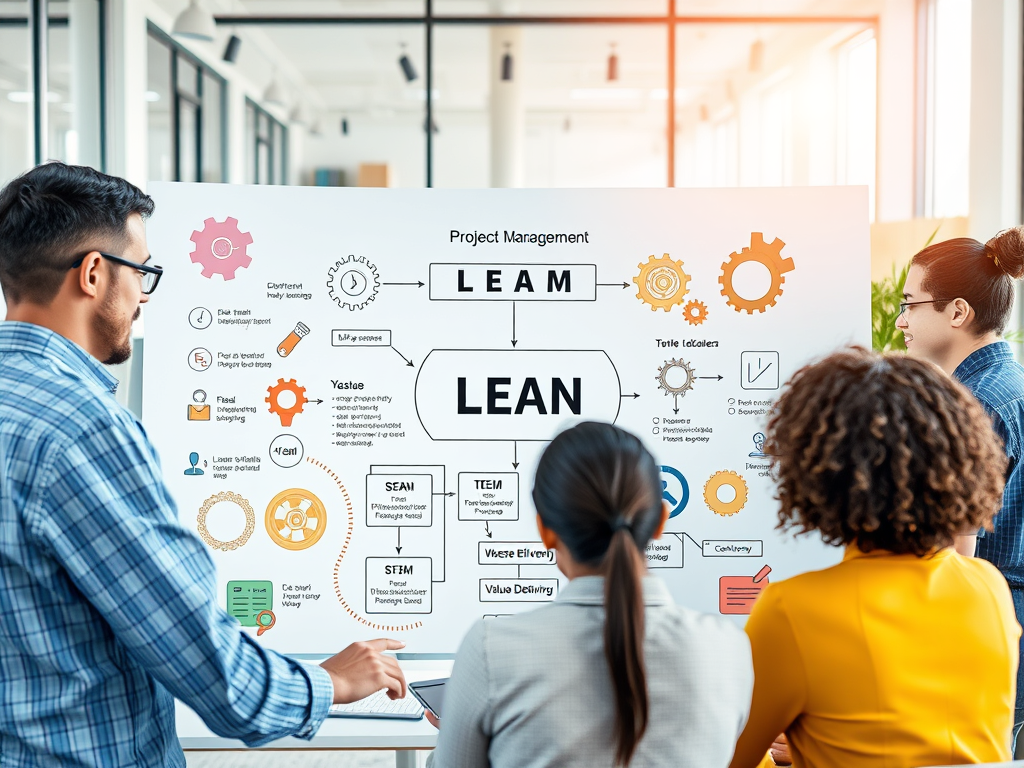
In a dynamic corporate landscape, lean project management provides a structured approach to enhance efficiency by eliminating waste and maximizing value delivery. This article outlines eight essential steps for effectively implementing lean practices in large organizations, emphasizing the importance of stakeholder engagement, continuous improvement, and cultivating a supportive lean culture.
-
The project management role has significantly evolved over the last 20 years, shifting from traditional task-focused approaches to strategic leadership. Key drivers include technological advancements, globalization, and heightened stakeholder engagement. Modern PMs now require a blend of technical, interpersonal, and adaptability skills to navigate complex projects and foster collaboration effectively.
-
Agile scaling techniques are essential for large organizations aiming to enhance collaboration, efficiency, and innovation. By adopting frameworks like SAFe, LeSS, and the Spotify Model, businesses can remain flexible and responsive. Key principles include alignment with goals, collaboration, and continuous improvement, which collectively lead to improved delivery speed, quality, and culture of innovation.
-
Navigating the differences between Product Lifecycle Management (PLM) and Enterprise Resource Planning (ERP) systems is crucial for enhancing product development and operational efficiency in organizations. Understanding their distinct roles can empower businesses to choose the right tools for success.
-
Regulatory change management is an ongoing, structured process crucial for large organizations to identify, assess, and respond to evolving regulations. It fosters compliance without operational disruption and enhances decision-making. Effective frameworks ensure coordination across functions, preventing risks like fines and reputation damage, thus maintaining organizational resilience and supporting growth.
You must be logged in to post a comment.