ProjectBlogs.com
The Project Blog Hub for Modern Project Leaders.
recent posts
- Top 8 Six Sigma Tools for Process Improvement and Error Reduction
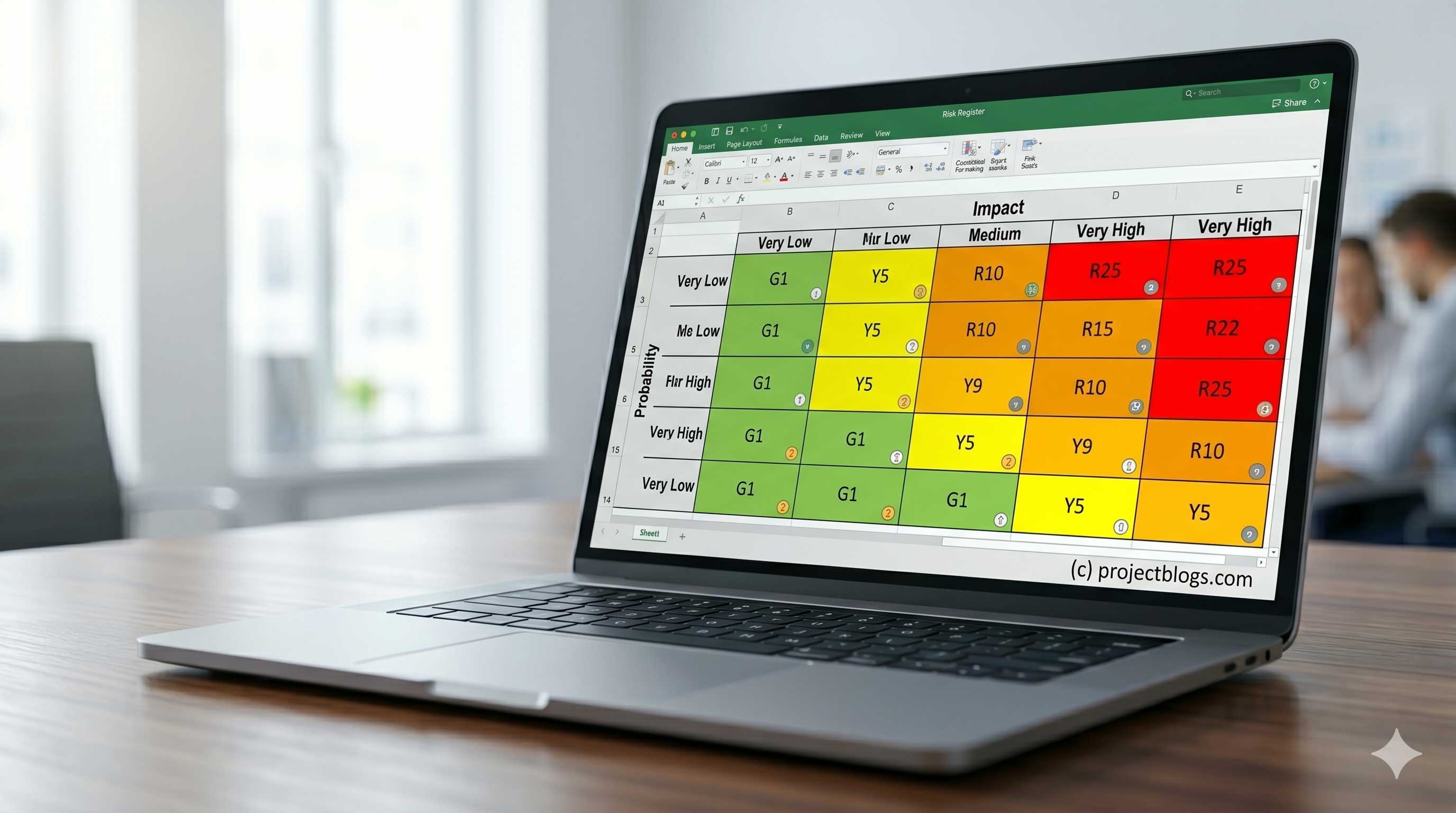
- Top 7 Proactive Risk Management Strategies to Neutralize Threats Before They Strike
- How to Build a Winning Project Mindset That Drives Consistent Success
- Top 10 Project Assurance Gate Reviews Every PMO Needs
- Project Dashboards vs Static Reports: Real-Time Insights and Traditional Reporting Compared
about
Category: Project Management
-

Proactive risk management is vital for organizations, enabling them to identify and mitigate threats before they escalate. This approach fosters accountability, reduces financial losses, enhances decision-making, and builds stakeholder trust. By implementing comprehensive frameworks, leveraging technology, and promoting a risk-aware culture, businesses can strengthen their resilience and achieve long-term success.
-
Building a winning project mindset is essential for organizational success in today’s dynamic business landscape. This involves fostering adaptability, accountability, and a growth-oriented attitude within teams. By setting clear goals, encouraging continuous learning, and celebrating successes while learning from failures, organizations can enhance collaboration and navigate challenges effectively, ensuring project success.
-

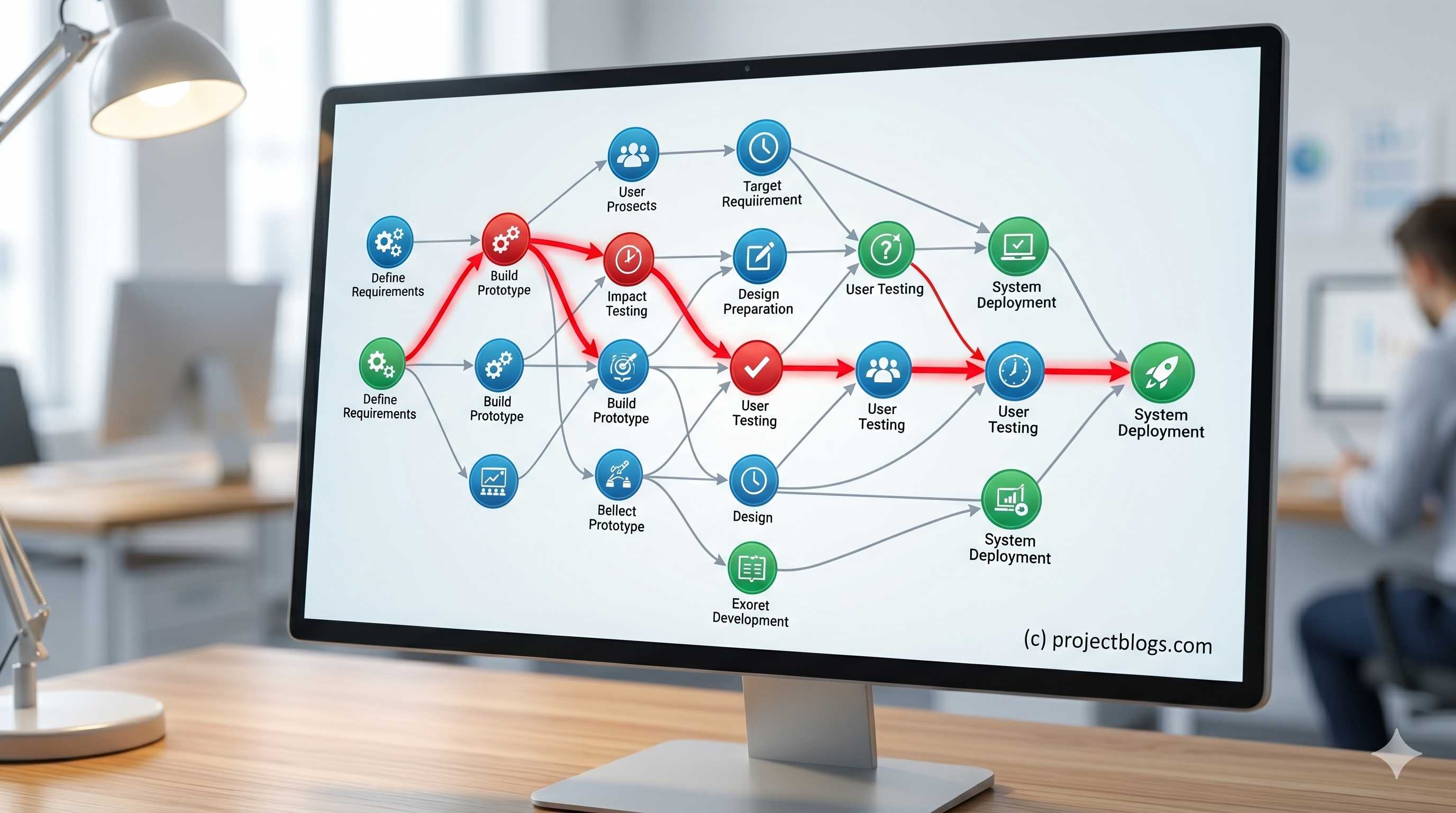
Project assurance is essential for Project Management Offices (PMOs) to align projects with organizational goals and minimize risks. Structured gate reviews serve as critical checkpoints in assessing feasibility, progress, and stakeholder engagement. By implementing these reviews, PMOs foster accountability, enhance decision-making, and encourage a culture of continuous improvement for successful project outcomes.
-

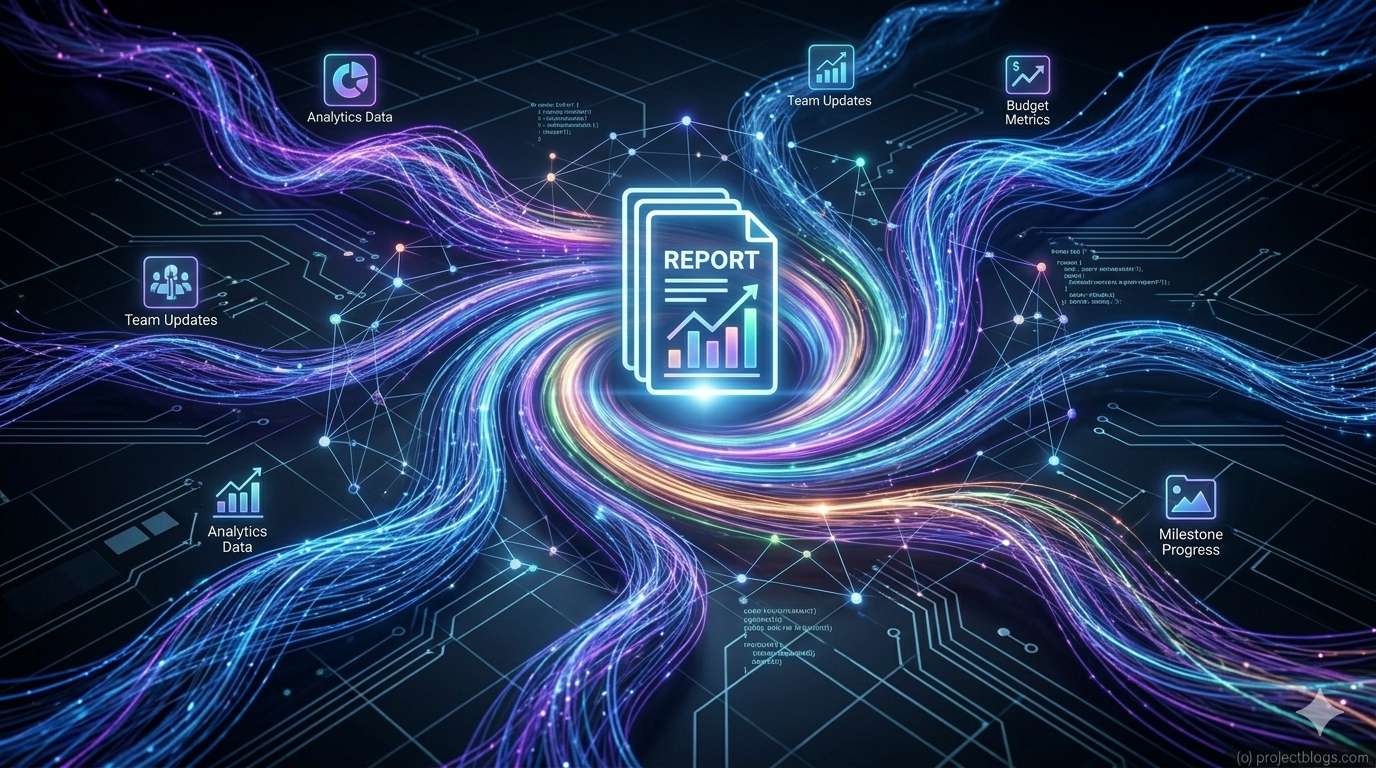
Organizations today are shifting from static reports to dynamic project dashboards to enhance efficiency and decision-making. Dashboards provide real-time insights and customizable views, promoting transparency and collaboration. While static reports offer historical analyses, they can hinder responsiveness. Embracing dashboards equips teams with actionable data necessary for success in a fast-paced business landscape.
-

Project management is evolving rapidly due to technological advancements and workplace changes. Key trends for 2026 include the integration of AI and blockchain, a rise in agile practices, enhanced focus on soft skills, and remote work adaptability. Additionally, diversity, continuous learning, and data analytics are becoming critical for project managers’ success in this dynamic landscape.
-
In today’s business world, project managers are essential leaders, shaping project success through strategic planning, effective communication, and resource management. Their responsibilities include defining project scope, allocating resources, monitoring progress, and engaging stakeholders. Exceptional project managers inspire teams, adapt to challenges, and focus on continuous improvement, enhancing overall project outcomes and collaboration.
-
In today’s business landscape, effective change management is vital as organizations adapt to technological advancements and shifting consumer expectations. This article explores ten change management models, emphasizing their tailored applications to guide organizations through transformation, enhance employee engagement, and ensure successful transitions, ultimately leading to improved performance.
-
Quality management frameworks are vital for organizations to improve processes, boost efficiency, and deliver high-quality products. This article examines the top 10 frameworks, such as TQM, Six Sigma, and ISO 9001, highlighting their features and benefits, guidance for selection, and implementation strategies to enhance customer satisfaction and operational performance.
-
Agile and Waterfall are two prevalent project management methodologies, each suited for different business needs. Agile promotes flexibility and adaptability, thriving in dynamic environments, while Waterfall offers structure and predictability in projects with fixed requirements. Organizations must assess their specific needs and team capabilities to choose the most effective approach.
-
Organizations using the Kanban framework must understand flow efficiency, which measures the ratio of value-adding time to total task completion time. This article highlights the importance of Kanban metrics, such as cycle time, lead time, and throughput, which help identify bottlenecks and improve workflows, enhancing team performance and customer satisfaction.