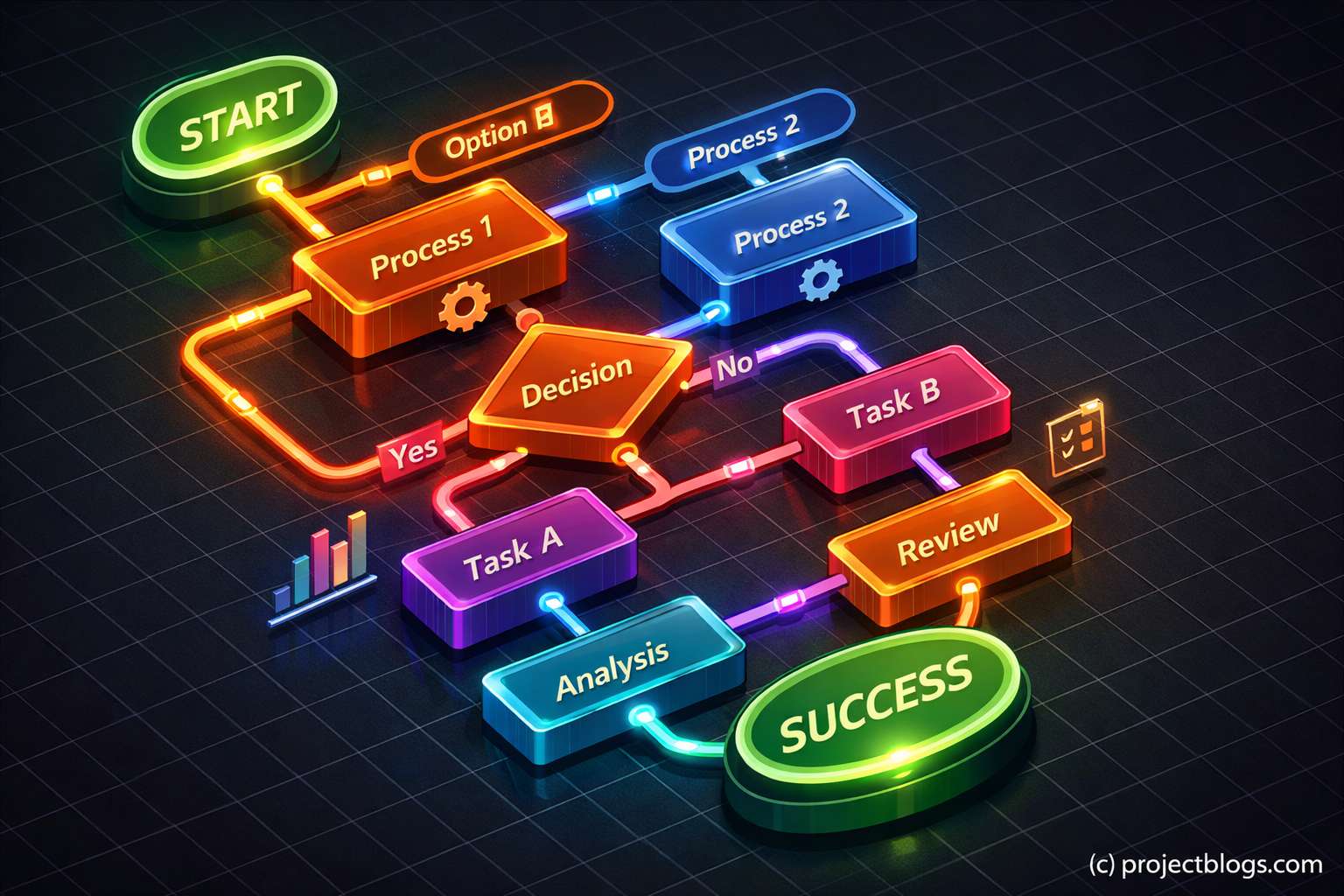
Understanding how to navigate economic volatility is crucial for organizations looking to safeguard their portfolios. As market conditions fluctuate, having robust scenario planning models in place can help businesses anticipate risks, make informed decisions, and adapt their strategies accordingly. This article delves into the top 10 portfolio scenario planning models, highlighting their unique features and benefits.
Understanding Economic Volatility and Its Impacts on Portfolios
Economic volatility refers to the degree of variation in financial markets over time, often driven by changes in macroeconomic conditions, investor sentiment, and geopolitical factors. For organizations, this volatility can significantly impact asset values, investment returns, and overall financial health. In a highly interconnected global economy, even minor shifts in one region can reverberate across markets.
The unpredictability of economic conditions necessitates a proactive approach to portfolio management. Organizations cannot rely solely on historical performance to predict future outcomes. Instead, they must employ scenario planning models to evaluate various economic scenarios, enabling them to identify potential risks and opportunities within their portfolios. By doing so, organizations can better prepare for adverse conditions and enhance their strategic decision-making processes.
Moreover, understanding economic volatility allows organizations to engage in more effective risk management. By analyzing different scenarios, they can develop tailored strategies to mitigate potential losses while still capturing opportunities for growth. In this fast-paced environment, effective scenario planning serves as a crucial tool for ensuring long-term viability and success.
Key Elements of Effective Scenario Planning Models
For portfolio scenario planning models to be effective, they must include several key elements. First, comprehensive data analysis is essential. Organizations should leverage historical data alongside real-time information to capture a full spectrum of market dynamics. This data-driven approach helps to refine assumptions and improve forecasting accuracy, allowing for more reliable outcomes.
Second, adaptability is crucial. Economic conditions are constantly changing, and so too should the models employed. Effective scenario planning must be flexible enough to incorporate new data and adjust assumptions based on evolving market conditions. This adaptability allows organizations to pivot quickly when unexpected events occur, maintaining resilience in the face of uncertainty.
Lastly, stakeholder engagement is vital. Involving key stakeholders in the scenario planning process encourages diverse perspectives and insights, which can lead to more robust decision-making. By fostering collaboration across departments, organizations can ensure that their portfolio strategies align with overall business objectives, enhancing the likelihood of successful outcomes amid volatility.
Model 1: Monte Carlo Simulations for Risk Assessment
Monte Carlo simulations are a powerful tool in the realm of risk assessment. These statistical techniques allow organizations to model the probability of different outcomes in uncertain conditions by running numerous simulations based on varying input parameters. In essence, Monte Carlo simulations help identify the potential range of returns and risks associated with different investment strategies.
One of the most significant advantages of Monte Carlo simulations is their ability to incorporate randomness. By analyzing countless scenarios, organizations can assess the likelihood of extreme outcomes, such as significant market downturns or unexpected spikes. This depth of analysis enables businesses to make more informed decisions regarding asset allocation and risk management.
However, while Monte Carlo simulations provide valuable insights, they are not without limitations. The accuracy of results is highly dependent on the quality of input data and the assumptions made within the model. Therefore, organizations should exercise caution and continuously validate their simulations against real-world outcomes to ensure their effectiveness in guiding portfolio strategies.
Model 2: Stress Testing Frameworks for Market Fluctuations
Stress testing frameworks serve as another vital model for organizations preparing for economic volatility. These frameworks simulate extreme market conditions to assess the resilience of portfolios under various scenarios, from economic recessions to geopolitical crises. By understanding how portfolios perform during times of stress, organizations can fine-tune their strategies to enhance robustness.
Implementing stress tests involves defining a range of extreme scenarios and analyzing their potential impact on portfolio value. This process can reveal vulnerabilities within investment strategies, enabling organizations to make necessary adjustments to mitigate risks. For instance, a company may discover that a particular asset class is highly correlated with economic downturns, prompting a reevaluation of its allocation.
Though stress testing is a powerful tool, it is crucial to remember that the outcomes are inherently hypothetical. Organizations must remain vigilant in continually updating their stress testing parameters to reflect the latest economic forecasts and market dynamics. This ongoing assessment helps ensure that portfolios remain resilient even as conditions change.
Model 3: Scenario Analysis for Strategic Decision-Making
Scenario analysis is a strategic planning method that allows organizations to envision and evaluate potential future states based on varying assumptions. This approach involves creating multiple detailed scenarios, each representing a different set of circumstances that could impact the organization’s financial health. By exploring these diverse possibilities, organizations can develop more comprehensive strategies.
One of the primary benefits of scenario analysis is its focus on fostering strategic agility. By considering a range of potential outcomes, organizations can better prepare for unexpected developments. For instance, a company may analyze scenarios involving trade wars, technological disruptions, or shifts in consumer behavior, enabling them to identify emerging opportunities and threats.
Additionally, scenario analysis promotes cross-functional collaboration and communication. By involving various departments in the process, organizations can foster a shared understanding of potential risks and opportunities. This collaborative approach ensures that decision-makers are well-equipped to respond swiftly and effectively to changing market conditions.
Model 4: Value at Risk (VaR) Techniques Explained
Value at Risk (VaR) is a widely-used risk management technique that quantifies the potential loss in a portfolio over a specified timeframe, given normal market conditions. VaR measures the maximum expected loss with a certain confidence level, allowing organizations to assess the overall risk exposure of their portfolios. This model is particularly beneficial for organizations aiming to gauge their risk appetite and align it with investment strategies.
VaR can be calculated using different methods, including historical simulation, variance-covariance, and Monte Carlo simulation. Each method has its strengths and weaknesses, depending on the complexity of the portfolio and the availability of data. Organizations need to choose the appropriate method that best suits their specific circumstances and provides the most accurate representation of potential risk.
While VaR is a valuable tool, it is important to recognize its limitations. It does not account for extreme market events or tail risks, which can lead to underestimating potential losses. Therefore, organizations should complement VaR with other risk management techniques, such as stress testing and scenario analysis, to gain a more holistic understanding of their portfolio’s risk exposure.
Model 5: The Role of Predictive Analytics in Planning
Predictive analytics has become an indispensable tool in portfolio scenario planning. By leveraging advanced statistical techniques and algorithms, organizations can analyze historical data to identify patterns and trends that may inform future outcomes. This capability allows for more accurate forecasting, enabling organizations to anticipate shifts in market conditions and adapt their strategies accordingly.
Incorporating predictive analytics into portfolio management enhances decision-making by providing data-driven insights. For instance, organizations can forecast potential market downturns or sector-specific booms using predictive models, allowing them to adjust their asset allocations proactively. This foresight can significantly improve an organization’s ability to navigate economic volatility.
Nonetheless, organizations must approach predictive analytics with a critical eye. Algorithms can only be as good as the data they are based on, and relying solely on historical performance can lead to inaccurate predictions. Therefore, organizations should continuously refine their predictive models and validate their findings against real-time market data to ensure their effectiveness.
Model 6: Dynamic Asset Allocation Models for Adaptability
Dynamic asset allocation models emphasize the importance of flexibility in portfolio management. Unlike static strategies that maintain fixed asset allocations, dynamic models adjust allocations based on changing market conditions and economic indicators. This adaptability is crucial for organizations looking to minimize risks while capitalizing on emerging opportunities.
Dynamic asset allocation requires ongoing monitoring of market trends and macroeconomic factors. For example, during periods of economic growth, an organization may choose to increase exposure to equities, while during downturns, it may shift toward safer assets like bonds or cash. This proactive approach allows organizations to react swiftly to changes, enhancing their overall portfolio performance.
However, implementing dynamic asset allocation models can be complex and requires significant expertise. Organizations must invest in robust analytical tools and develop a comprehensive understanding of market indicators to make informed decisions. By doing so, they can harness the full potential of dynamic asset allocation to navigate the challenges of economic volatility effectively.
In a world characterized by economic volatility, organizations must adopt robust portfolio scenario planning models to safeguard their financial health. From Monte Carlo simulations to dynamic asset allocation, each model offers unique insights and strategies for navigating uncertain conditions. By implementing these models, organizations can enhance their resilience, better anticipate risks, and ultimately achieve their long-term financial objectives.
Meta Description: Explore the top 10 portfolio scenario planning models designed to navigate economic volatility and safeguard financial health in uncertain times.
Tags: Economic Volatility, Portfolio Management, Scenario Planning, Risk Assessment, Asset Allocation, Stress Testing, Predictive Analytics, Dynamic Models, Financial Resilience, Strategic Decision-Making
Hashtags: #EconomicVolatility #PortfolioManagement #ScenarioPlanning #RiskAssessment #FinancialResilience
For further insights on portfolio management and economic volatility, visit Harvard Business Review.
Leave a Reply