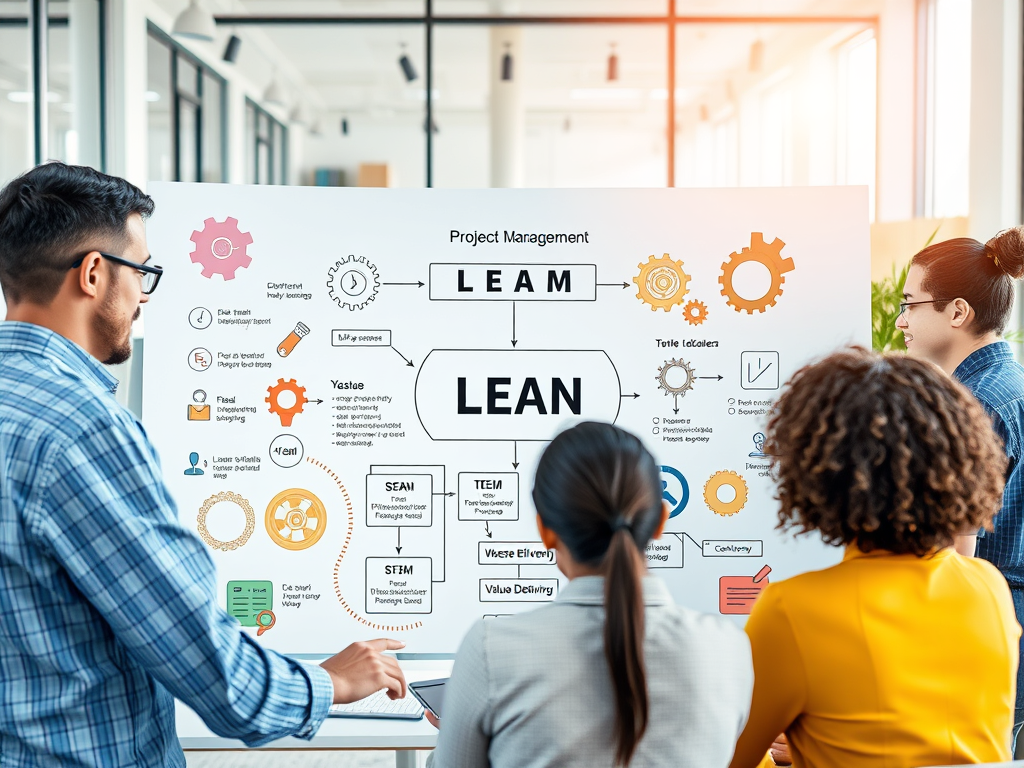
In today’s fast-paced corporate environment, the pressure to deliver projects efficiently while maximizing resources has never been greater. Lean project management offers a structured approach to streamline processes, eliminate waste, and enhance value delivery. By implementing lean principles, organizations can minimize costs and improve customer satisfaction, driving overall success. This article outlines eight essential steps to successfully implement lean project management in large enterprises, providing practical insights and actionable guidance for leaders aiming to enhance operational efficiency.

Understanding Lean Project Management Fundamentals
Lean project management is rooted in the principles of lean manufacturing, originally conceived by Toyota to improve efficiency and reduce waste. At its core, lean project management focuses on delivering maximum value to customers while using the least amount of resources. This philosophy drives organizations to analyze their processes, identify redundancies, and focus on continuous improvement. Understanding these fundamentals is crucial for any enterprise aiming to adopt lean methods effectively.
The primary objective of lean project management is to create more value with fewer resources. This means not only reducing costs but also improving quality and speed of delivery. For large organizations, this can translate into significant competitive advantages, allowing them to respond more rapidly to market changes and customer needs. Lean principles encourage teams to prioritize tasks that contribute directly to customer satisfaction, ensuring that every step in a project is aligned with business objectives.
Furthermore, lean thinking fosters a culture of transparency and collaboration within teams. By engaging team members in the decision-making process, organizations can leverage diverse perspectives to identify areas for improvement. This collective approach not only enhances problem-solving but also empowers employees, leading to higher morale and greater ownership of work.
Identifying Key Areas for Lean Implementation
One of the first steps in implementing lean project management is conducting a thorough assessment of current processes. Large organizations should identify key areas where waste may exist, including excess inventory, unnecessary meetings, and inefficient workflows. By mapping out current processes, teams can visualize the flow of work and pinpoint bottlenecks that hinder productivity. This initial analysis lays the groundwork for prioritizing areas that will benefit most from lean interventions.
Once areas of waste are identified, organizations can categorize them into specific types, such as overproduction, waiting time, and defects. Utilizing tools like Value Stream Mapping can help visualize these elements and their impacts on project timelines and costs. This targeted approach allows teams to focus their efforts on the most critical areas, ensuring that lean initiatives yield tangible benefits in efficiency and effectiveness.
Additionally, it’s essential to involve cross-functional teams in this evaluation process. Different departments within an organization may experience varying levels of inefficiency, and collaboration can uncover insights that may not be obvious when viewed from a singular perspective. Engaging diverse teams fosters a holistic view of the business and encourages a culture of continuous improvement across the organization.
Engaging Stakeholders for Successful Adoption
Successful adoption of lean project management is heavily dependent on stakeholder engagement. Leaders must communicate the vision and benefits of the lean transformation to all stakeholders, from executives to team members. Taking this step ensures that everyone understands the rationale behind the changes and how they will contribute to overall business success. Fostering a sense of urgency around the need for lean practices helps garner buy-in from all levels of the organization.
Creating open channels of communication is essential for addressing concerns and gathering feedback. Stakeholders should feel empowered to voice their opinions and suggestions throughout the implementation process. Regular meetings and updates can help maintain enthusiasm and momentum, providing opportunities for everyone to share their experiences and learn from one another. This ongoing dialogue strengthens relationships and fosters a sense of shared responsibility for the lean initiative.
Lastly, recognizing and addressing the potential resistance to change is crucial. Change can provoke anxiety among employees, especially in large organizations where established processes have been in place for years. Acknowledging these concerns and providing clear guidance on how lean practices will benefit both the organization and the individual can ease the transition. Celebrating early wins can also serve as motivation, showcasing the positive impact of lean initiatives on project outcomes.
Training Your Team on Lean Principles and Tools
Once stakeholders are aligned, it’s vital to equip your team with the necessary knowledge and skills to implement lean practices successfully. Structured training programs should be developed, focusing on key lean principles such as continuous improvement, waste reduction, and value delivery. By providing employees with the tools they need, organizations can ensure that everyone is on the same page and ready to contribute to the transformation process.
Training should not be a one-time event; instead, it should evolve to meet the organization’s needs. Offering workshops, hands-on learning opportunities, and access to lean resources can help continuously develop team members’ skills. This commitment to ongoing education reinforces the importance of lean thinking and cultivates a culture of learning and adaptation within the organization.
In addition to formal training, mentoring and peer-to-peer support can enhance the learning experience. Encouraging experienced employees to share their insights with newer team members fosters collaboration and helps embed lean principles into daily practices. This dynamic not only accelerates the adoption of lean methodologies but also reinforces a sense of community and shared purpose among team members.
Creating a Lean Culture Within Your Organization
For lean project management to take root, the organization must cultivate a lean culture that prioritizes continuous improvement and customer value. This cultural shift requires leaders to model lean behaviors and principles in their decision-making processes. By demonstrating commitment to lean values, leaders can inspire employees to embrace these practices in their day-to-day work.
Encouraging a culture of experimentation and risk-taking is also essential. Employees should feel empowered to try new approaches, conduct small-scale tests, and share their findings without fear of repercussions. This mindset fosters innovation and helps identify effective solutions to challenges that may arise during projects. Organizations that embrace this culture of experimentation often find that employees become more engaged and proactive in identifying opportunities for improvement.
Finally, recognizing and rewarding behaviors that align with lean principles can help reinforce the desired culture. Implementing recognition programs that celebrate team achievements and individual contributions to lean initiatives can motivate employees to continue striving for excellence. By embedding lean values into the organizational fabric, companies pave the way for sustained success and long-term benefits from their lean initiatives.
Setting Clear Goals and Metrics for Success
Establishing clear goals and metrics is crucial for measuring the success of lean project management initiatives. Organizations should define specific, measurable, achievable, relevant, and time-bound (SMART) goals that align with their broader business objectives. These goals serve as a roadmap for teams, enabling them to focus on outcomes that directly contribute to organizational success.
Metrics should be selected carefully to assess progress toward these goals. Key Performance Indicators (KPIs) such as cycle time, customer satisfaction, and defect rates can provide valuable insights into the effectiveness of lean practices. Regularly reviewing these metrics allows organizations to identify trends, measure the impact of lean initiatives, and make data-driven decisions for continuous improvement.
Moreover, setting benchmarks can help teams understand where they stand relative to industry standards or best practices. This external perspective can motivate teams to strive for excellence and adopt innovative approaches to problem-solving. By consistently tracking progress and celebrating achievements, organizations can foster a culture of accountability and commitment to lean principles.
Continuously Monitoring and Improving Processes
The implementation of lean project management is not a one-time effort but an ongoing journey. Organizations must commit to continuously monitoring their processes to identify new areas for improvement and ensure that lean practices remain effective. Regular process evaluations can help teams identify emerging inefficiencies and adapt to changing business environments and customer needs.
Engaging employees in this ongoing assessment is crucial. Encouraging teams to regularly reflect on their workflows and suggest improvements fosters a sense of ownership and accountability. Tools such as Kaizen events, where employees gather to discuss process improvements, can be instrumental in generating fresh ideas and encouraging collaboration.
Furthermore, leveraging technology can enhance monitoring efforts. Many organizations now utilize project management software that provides real-time data and analytics on project performance. These insights empower teams to make informed decisions quickly and adapt their strategies as needed. By embracing a philosophy of continuous improvement, organizations can maintain their competitive edge and ensure sustainable success in their lean initiatives.
Celebrating Wins and Reflecting on Lessons Learned
As organizations progress through their lean project management journey, it is essential to celebrate wins and reflect on lessons learned. Recognizing achievements, both large and small, reinforces the importance of lean initiatives and motivates teams to continue striving for excellence. These celebrations can take various forms, from team recognition events to company-wide announcements, creating a sense of pride and accomplishment.
In addition to celebrating successes, organizations should also create opportunities for reflection. Conducting post-project reviews allows teams to analyze what went well, what challenges they faced, and how they can improve in future projects. This practice fosters a growth mindset and encourages learning from both successes and failures, ultimately enhancing the effectiveness of future lean efforts.
Finally, sharing these reflections with the broader organization can promote transparency and inspire other teams to adopt lean principles. By sharing best practices and lessons learned, organizations can create a culture of collaboration and continuous improvement that extends beyond individual projects. This commitment to learning and adaptation will be a critical driver of success as organizations continue to implement lean project management practices.
Implementing lean project management successfully requires a strategic approach and commitment to continuous improvement. By following these eight steps, organizations can create a lean culture that optimizes processes, engages team members, and delivers exceptional value to customers. As enterprises navigate the complexities of today’s business landscape, embracing lean principles offers a pathway toward greater efficiency, cost reduction, and long-term success.
Hashtags: #LeanManagement #ProjectEfficiency #ContinuousImprovement #StakeholderEngagement #BusinessSuccess
External Source: For more insights on lean practices, visit Lean Enterprise Institute.
Discover More great insights at www.projectblogs.com
Leave a Reply